
GDI Engine Misfires Cold but Smooths Out Warm? Separate Valve Deposits from Fuel and Ignition

Misfires Cold, Smooth When Warm
A direct-injection engine that misfires for the first minute and then smooths out is handing you a time-dependent clue. Do not warm it before diagnosis and do not let “GDI carbon” become the answer by reputation. Ignition, injector operation, fuel pressure, temperature inputs, compression, coolant entry and valve deposits can all change as the engine warms.
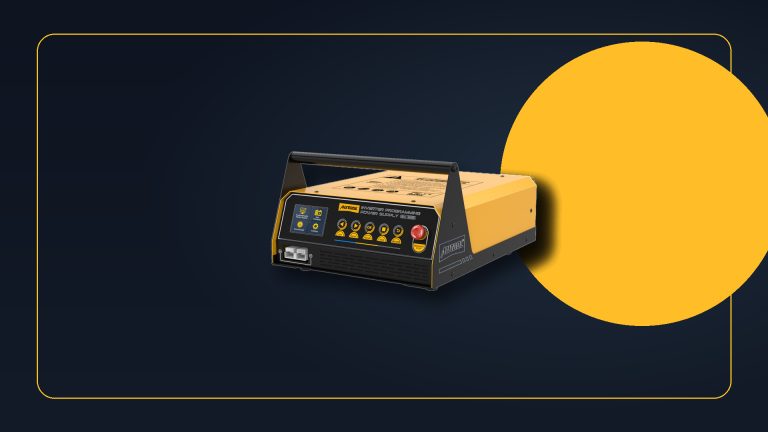
When the evidence eventually shows heavy deposits on closed intake valves, contained walnut-media cleaning equipment can remove them without turning the article into a parts cannon. The AUTOOL HTS558 walnut blaster is one service route with media delivery and recovery for suitable intake ports. It does not diagnose the misfire, clean a leaking injector, restore compression, or make blasting toward an open intake valve acceptable.
Build this case around the first five minutes. Arrange the scan tool, battery support and recording plan before the overnight start. The warm engine is the end of the test, not the beginning.
Quick answer: Preserve the first cold start and trace each cylinder through five minutes. Clear ignition, fuel pressure, injector, temperature, compression, and coolant branches before inspecting and cleaning closed intake valves.

In this guide
- Preserve minute zero
- Build the five-minute cylinder trace
- Clear ignition and temperature inputs
- Test fuel delivery without assuming injector deposits
- Separate compression from valve behavior
- Inspect the valve side only when the pattern fits
- Clean a closed cylinder—not a theory
- Repeat the same cold-start clock
Preserve minute zero
Confirm the vehicle has soaked long enough to reproduce the complaint. Before cranking, compare engine-coolant and intake-air temperatures with ambient conditions. A sensor that reports an implausible warm or cold value can distort startup fueling and may explain why the problem decays.
Save all current, pending and history codes plus freeze data. Note battery voltage, cranking speed, crank time, fuel level, recent refueling, fuel age, recent repairs and whether the symptom began after storage. Low cranking speed or voltage can weaken ignition and fuel delivery while creating misleading communication faults.
Position the vehicle safely, ventilate the area and avoid standing near belts or fans. Start recording misfire counters, rpm, commanded and actual fuel pressure, trims or oxygen response, and relevant cam timing before the first crank if the platform supports them.
Build the five-minute cylinder trace
Use the same checkpoints every time: start, 30 seconds, one minute, two minutes and five minutes. Record how many cylinders participate, which cylinder leads, whether counts stop abruptly or taper, and when idle quality normalizes.
| Pattern | What gains weight | What remains unproved |
|---|---|---|
| one cylinder, repeatable, fades with heat | plug/coil, injector, valve sealing, local deposit or coolant path | which component caused it |
| several cylinders, fuel pressure unstable | supply, high-pressure control, fuel quality, voltage, broad air/fueling issue | pump failure by itself |
| random counts track implausible temperature | startup enrichment or sensor/wiring branch | that the sensor is the only fault |
| one cylinder wet after soak | injector leak or coolant entry | fluid identity without further evidence |
Listen for mechanical noise and watch exhaust safely. Stop if fuel accumulates, the catalyst overheats, oil pressure is abnormal or a severe mechanical fault is suspected. Repeatedly running a dead cylinder can dilute oil and damage the catalyst.
Clear ignition and temperature inputs
Inspect plugs before moving parts between cylinders. Photograph deposits, cracks, carbon tracking, gap and wetness. Compare the suspect cylinder with its neighbors. A wet plug can be fuel, oil or coolant-related; appearance alone may not identify the liquid.
Use a manufacturer-approved spark or coil test. If swapping coils or plugs is allowed, move each to a different known cylinder and record whether the misfire follows. Do not swap multiple components to the same destination or the result becomes ambiguous.
Check coolant and air temperature circuits for plausible cold values, stable connectors and rational warm-up. Inspect for vacuum leaks that change as plastic and seals heat, but remember that a broad intake leak usually affects a pattern rather than magically naming one cylinder. Fuel trims at cold idle, warm idle and a raised speed can help locate when unmetered air has the greatest influence.
Test fuel delivery without assuming injector deposits
Compare low-side supply and high-side commanded versus actual pressure through crank, start and the rough period. A pressure dip that recovers with temperature can mimic a cylinder issue. Use only approved connections and procedures around high-pressure gasoline; residual pressure can injure long after shutdown.
For a cylinder-specific branch, inspect injector wiring and control, resistance only where specified, balance testing if supported, and the effect of moving a removable injector when the labor is justified. A direct injector can leak after shutdown, have restricted flow, or receive the wrong command. Intake-valve carbon is outside that injector and is a different deposit path.
Consider fuel oxidation or contamination, especially after storage or a recent fill. One tank observation is not laboratory proof, but a controlled known-quality fuel decision may be part of an OEM route. Avoid pouring multiple cleaners into an unknown fuel problem; that changes the evidence and may not reach the back of a GDI intake valve.
Separate compression from valve behavior
Perform relative compression, cranking compression or leak-down only by the appropriate procedure and under comparable conditions. Even readings do not rule out a valve that sticks when cold and seals after heat changes clearance. A cold and warm comparison can be more informative than one warm number.
Listen and inspect the valvetrain where accessible. Check cam timing data and any applicable service information for valve springs, lash, lifters or known cold-start patterns. A carbon-coated valve may disturb airflow or seating, but low compression, mechanical timing and coolant entry need their own evidence.
If coolant loss, white vapor, pressure retention or a suspicious wet cylinder exists, follow the cooling-system diagnostic route. Approved dye and a cold-soak borescope inspection can distinguish coolant evidence from residual fuel better than guessing from a shiny piston.
Inspect the valve side only when the pattern fits
On many direct-injection engines, fuel is sprayed into the cylinder rather than across the back of the intake valve. Oil vapor and other deposits can accumulate in the intake path, but presence does not automatically mean causation.
Remove only the access needed by service information and inspect each port under similar valve position, lighting and camera distance. Compare the suspect cylinder with known better cylinders. Record deposit thickness and location, valve-stem area, wet oil, foreign material and signs of poor sealing. Avoid scraping deposits into the cylinder just to improve the photograph.
The strongest carbon case combines evidence: the cold misfire is repeatable, ignition and fuel commands are credible, mechanical and coolant branches are controlled, the affected valve path is materially worse, and cleaning produces the expected cylinder-specific change.
Clean a closed cylinder—not a theory
Confirm the engine maker permits the cleaning method. Rotate the engine by the approved method until the target intake valves are fully closed and verify closure visually. Seal the correct adapter, protect adjacent openings, use the specified media and air supply, and maintain extraction so loosened material is recovered.
Work one port at a time. Do not rely on piston position alone to infer valve closure. Prevent media from entering open ports, vacuum lines, electrical connectors and the workshop air. Keep ignition sources away and follow personal-protection and dust-control requirements.
After cleaning, vacuum and inspect the port before rotating the engine. Remove all adapters and foreign material, reinstall seals and components correctly, and change contaminated fluids only when the procedure or evidence requires it. Cleaning cannot compensate for a leaking injector, weak coil or damaged valve.
Repeat the same cold-start clock
Clear only the information the repair procedure requires, then allow a comparable cold soak. Recreate ambient conditions as closely as practical and run the same five-minute capture. Compare crank time, cylinder counters, pressure, trims and the exact moment idle becomes smooth.
An immediate clean first minute with no returning counts is stronger evidence than “it feels better warm.” If the same cylinder still leads, reopen ignition, injector, sealing and coolant branches instead of blasting it again. If the pattern moved, investigate what was moved or disturbed.
The repair passes when the original cold event is gone under a comparable start and supporting data agrees. The value of the walnut process is not that GDI engines can have carbon; it is that a well-built case identified deposits as the remaining, repairable restriction.








Comments 0
Questions, fixes, and real-world diagnostic notes from readers.
Be the first to share a diagnostic result or ask a follow-up question.