
BMW Motorcycle Service Reminder Returns After Reset? Verify All Four Stored Fields

Why Did The Service Reminder Return?
A service reminder that returns immediately after a reset is usually a data-transaction problem before it is an instrument-cluster failure. On many BMW motorcycles, the display evaluates both calendar and distance information. If the bike’s stored date is wrong, one due field was not changed, or the write did not persist, the reminder can be logically correct even though the reset screen said “success.”
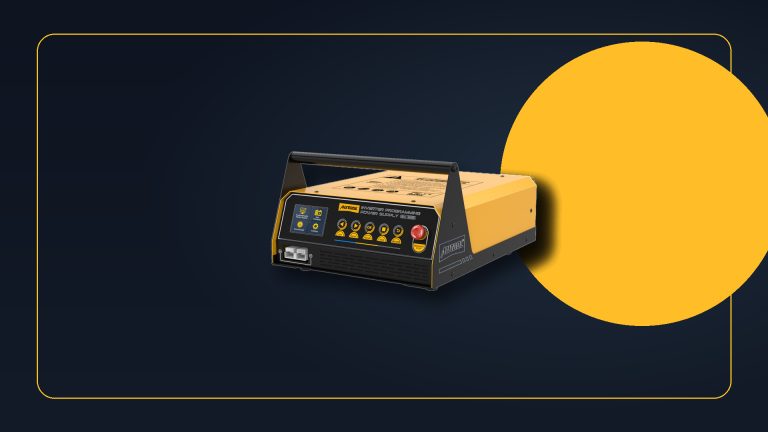
The useful diagnostic-tool capability is to read the existing service fields, write supported date and mileage values, and read them back. The FXTUL M4-BMW motorcycle diagnostic tool is one route for compatible models and modules. It does not perform the maintenance, correct the clock automatically, extend a legitimate service interval or guarantee coverage for every year and connector.
Treat the reset as a four-field transaction: current clock/date, current odometer, next service date and next service distance. Record all four before writing any of them.
Quick answer: Treat the reset as a four-field transaction: current date/time, odometer, next service date, and next service distance. Read before writing, confirm units and coverage, then read back after an ignition cycle.

In this guide
Read four fields before writing one
Photograph the dashboard at key-on and after the pre-ride check. Record the actual calendar date, displayed clock, odometer and every service message. Then read the diagnostic service-date and service-distance fields from the relevant module if supported.
Build the transaction log:
| Field | Before | Intended | Readback | Dashboard result |
|---|---|---|---|---|
| motorcycle date/time | record | correct only if wrong | record | record |
| odometer | record, never alter | unchanged | record | record |
| next service date | record | based on completed service plan | record | record |
| next service distance | record | based on completed service plan | record | record |
Do not enter invented far-future values simply to hide the message. The reminder should represent maintenance actually completed and the interval specified for the motorcycle and market.
Reconcile date with battery history
Ask whether the battery was disconnected, discharged, replaced or jump-started for an extended period. Some rider manuals warn that an incorrect stored date after long disconnection can make a service display appear earlier than expected.
Compare cluster date, diagnostic-module date and actual date. Correct the clock by the model’s prescribed control or diagnostic method before calculating a new due date. A correctly written future service date can still appear overdue if the bike believes today’s date is later.
Inspect battery condition and charging if the clock repeatedly loses time. A reset that returns after every low-voltage event is not solved by writing it again. Check connectors and cluster supply when other settings are also lost.
Reconcile distance with the service record
Review the invoice or maintenance log: what work was completed, at what odometer, and which interval is next? BMW maintenance commonly has both time and mileage dimensions, so completing one task does not justify ignoring the other.
Read whether the tool requests an absolute due odometer, a remaining distance or an interval value. Confusing those formats can produce a due point behind the current odometer. Observe units—miles and kilometers must not be mixed.
Never change the motorcycle odometer to solve a reminder. Odometer data has legal and historical significance. The operation here is limited to the supported service-due field.
Confirm coverage and connector
Identify model, production year, installed cluster/module and diagnostic connector. Early and later motorcycles may need different adapters and support different functions. Confirm current tool software lists the exact model and service operation.
Maintain stable battery voltage according to the procedure. Do not run a write operation with a weak motorcycle battery, loose adapter or ignition about to time out. Turn off unnecessary loads and follow key position prompts exactly.
Scan all relevant systems first. Save communication, cluster, power-supply and service-function errors. A tool that reads engine codes may not necessarily support the cluster’s reminder write on that model.
Write the transaction once
Set the correct motorcycle date first if necessary. Then enter the next service date and distance derived from the completed service and applicable schedule. Review units and year format before confirming.
Watch for separate date and mileage menus. Completing one does not imply the other was updated. Record the tool’s response, but do not keep pressing reset when a value is rejected. Investigate prerequisites, field range, connector, module state and compatibility.
Do not clear unrelated faults or reset adaptations as part of this operation. A service reminder reset is not a general maintenance reset button. Select only the intended function.
Read back what the cluster stored
Return to the read function immediately. Compare each field with the intended entry. Then exit the session properly, cycle the ignition as instructed, reconnect and read again. This second readback tests persistence, not just temporary display data.
If a value reverted, check whether the module accepted a different format, whether stable power was lost, or whether another module owns the field. If date stored but distance did not, solve the distance transaction separately. If both stored yet the display remains due, recheck the bike’s current date/odometer and display logic.
Avoid assuming that a warning lamp is the service reminder. A fault warning and maintenance indication may appear together; resetting maintenance will not clear an active fault.
If the diagnostic session reports a write but readback remains unchanged, save the session log and check whether the module was awake, voltage remained stable and the correct control unit owned the field. Some motorcycles expose similarly named functions through more than one menu. Use the model’s documentation rather than trying each menu until the dashboard changes.
Also compare behavior with the motorcycle’s user-adjustable clock. A rider may correct the visible clock while a diagnostic date remains wrong, or the reverse may occur depending on architecture. Record both observations. If the date drifts again after sitting, test battery state, parasitic load and cluster supply instead of scheduling another reminder reset.
When a cluster, battery-management module or instrument assembly was recently replaced, review commissioning steps and stored vehicle data. Module replacement can create a synchronization problem that a normal service function was never designed to solve. Escalate with the original and replacement part numbers, software versions and the four-field log.
Keep the maintenance invoice and diagnostic record together. Future technicians need to know whether a reminder was corrected because service was performed, because a clock was wrong, or because a module lost its data. That distinction protects both maintenance planning and the motorcycle’s history.
Follow the mismatch that remains
Use the four-field pattern:
- Wrong current date: correct clock retention and battery/supply cause.
- Due date behind current date: write the valid next date after service.
- Due distance behind current odometer: verify units and absolute/remaining format.
- Readback correct but display wrong: inspect module synchronization, software, cluster behavior and exact display interpretation.
- Fields cannot be read or written: confirm model coverage, adapter, module communication and prerequisites.
If a previous owner or shop entered unreasonable data, document it before correction. Preserve the service history rather than creating a clean screen with no explanation.
Verify the reminder after a clean restart
Turn the ignition fully off, allow the modules to shut down as instructed, then perform a normal key-on and pre-ride check. Photograph the dashboard. Confirm the date/time, odometer and service indication agree with the readback.
Start the motorcycle safely and repeat once after a short shutdown. Check that no new communication or voltage fault appeared. File the four-field log with the maintenance record.
The operation passes when the clock is correct, the odometer remains untouched, both due fields match the completed service plan, the values persist after a power cycle and the dashboard behaves accordingly. A successful write message was only one line in the transaction; the readback and restart close it.









Comments 0
Questions, fixes, and real-world diagnostic notes from readers.
Be the first to share a diagnostic result or ask a follow-up question.