
2013 Ford E350 Still Has No Fuel Pressure After Pump Parts: Check the Frame Ground

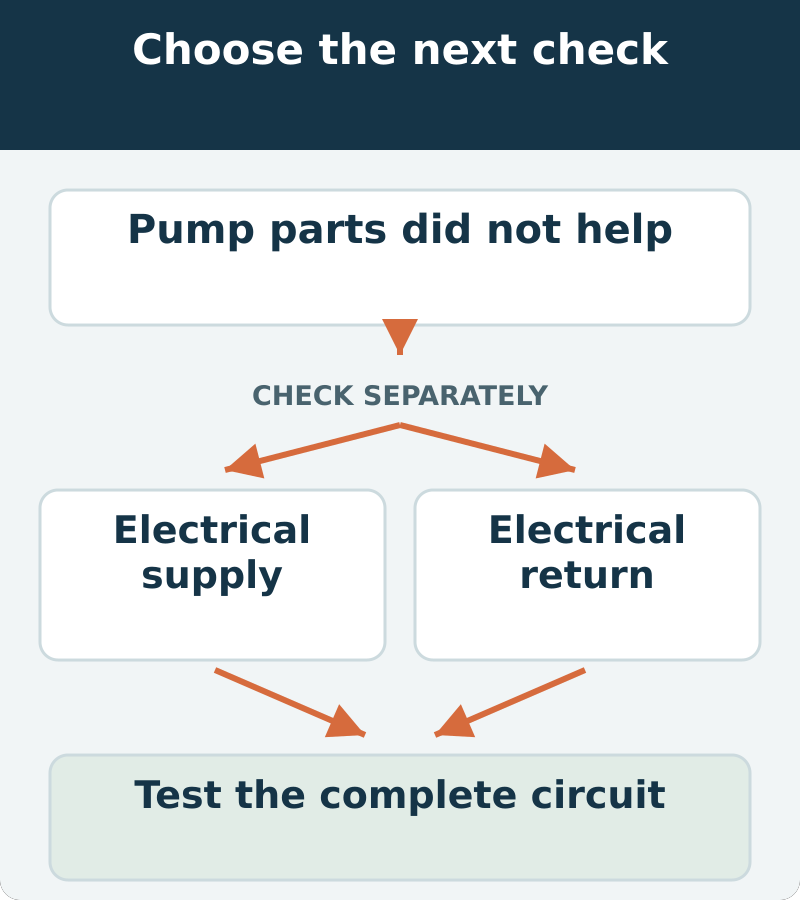
Quick answer: A pump needs a complete electrical return path. New pump components cannot compensate for a damaged connection between the frame and battery return.
The fuel pump is only one part of its electrical loop. A passive voltage measurement at the permitted test points can help a technician assess the return path; a meter such as the AUTOOL DM301 supports that kind of check. It is not a reason to crank the vehicle through a handheld meter or improvise a heavy-current jumper.

In this guide
The starter can crank while another circuit lacks a return
Hearing the starter turn is useful information, but it does not certify every electrical path in the van. Different loads can depend on different connections between the battery, engine, body and frame. One part of the vehicle can operate while another lacks the return path it needs.
This is why “the battery cranks it, so the grounds are good” is too broad a conclusion. Ask which circuit was checked during the failure. An intermittent no-start needs evidence from the affected condition where safely obtainable, not a general reassurance based on another device working. Fuel pressure and electrical supply are related questions, but they are not interchangeable measurements.
Draw the whole pump circuit
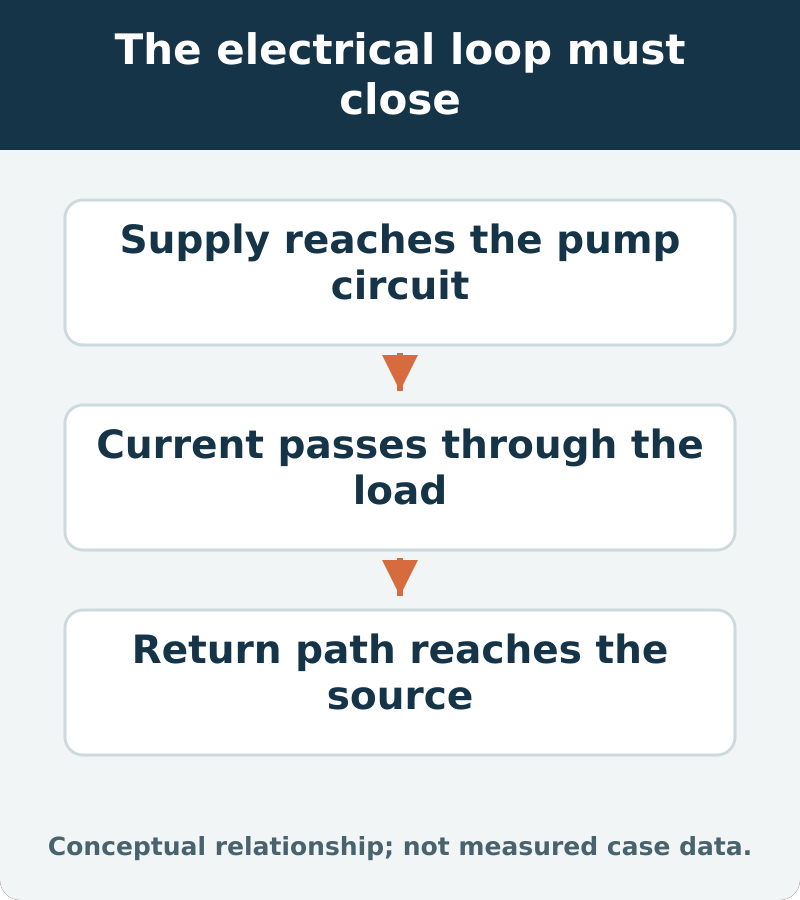
A complete circuit explanation includes the supply, the load and the return. If the return is omitted from the sketch, it is easy to keep replacing items on the supply side while leaving the loop incomplete.
The diagram is intentionally conceptual. It does not identify a ground location, wire color, connector or approved test current for the E350. Those details come from the correct service information. Owners can still use the concept to ask a valuable question: was the pump’s complete electrical path assessed under the relevant condition? You do not need to buy another component to make that question part of the work order.
What the unsuccessful replacements tell you
A replacement that does not change the complaint provides information, but not unlimited information. It may show that the repair did not address the active cause. It does not automatically prove the removed part was perfect or the new part is correctly supplied and installed.
Gather the earlier invoices so the next repairer knows exactly what changed. Ask for the diagnostic basis of any additional replacement rather than continuing the same parts sequence. A useful second opinion should revisit the circuit requirements and the observed failure. The objective is to explain why the pump cannot do its job, not to defend or condemn every earlier decision.
In the published ALLDATA case, the E350 intermittently cranked without starting and had no fuel pressure during failure. Pump, module and relay replacement did not help. Inspection found a highly resistive corroded frame ground strap. Ground-path repair restored the reported operation; no final loaded voltage-drop values are supplied.
Why a shiny connection is not the only check
Appearance is one part of an electrical inspection. Corrosion, damaged braiding and loose connections are relevant findings, but a clean-looking joint is not a measurement of its behavior while carrying the intended load.
A voltage-drop assessment can examine loss across an identified path under specified conditions. Its setup and acceptable result must come from the appropriate procedure. Do not copy a universal threshold from this article: none is provided. Resistance testing also requires the correct de-energized state. The meaningful workshop explanation names the path, the operating condition and what the measurement established, rather than simply saying that continuity was present.
Restore the designed grounding arrangement
A ground repair should restore the intended electrical arrangement and address the actual damaged connections. An extra strap is not a universal cure, and a temporary jumper is not a finished installation. The required material, attachment and protection depend on the vehicle and the location.
Ask how the surrounding attachment points were assessed and how the repair was protected. Do not crawl under the van to add a convenient cable yourself. High-current electrical work around a fuel complaint creates risks that an ordinary continuity test does not address. The workshop should make the repair and verify it using a controlled, vehicle-appropriate method.
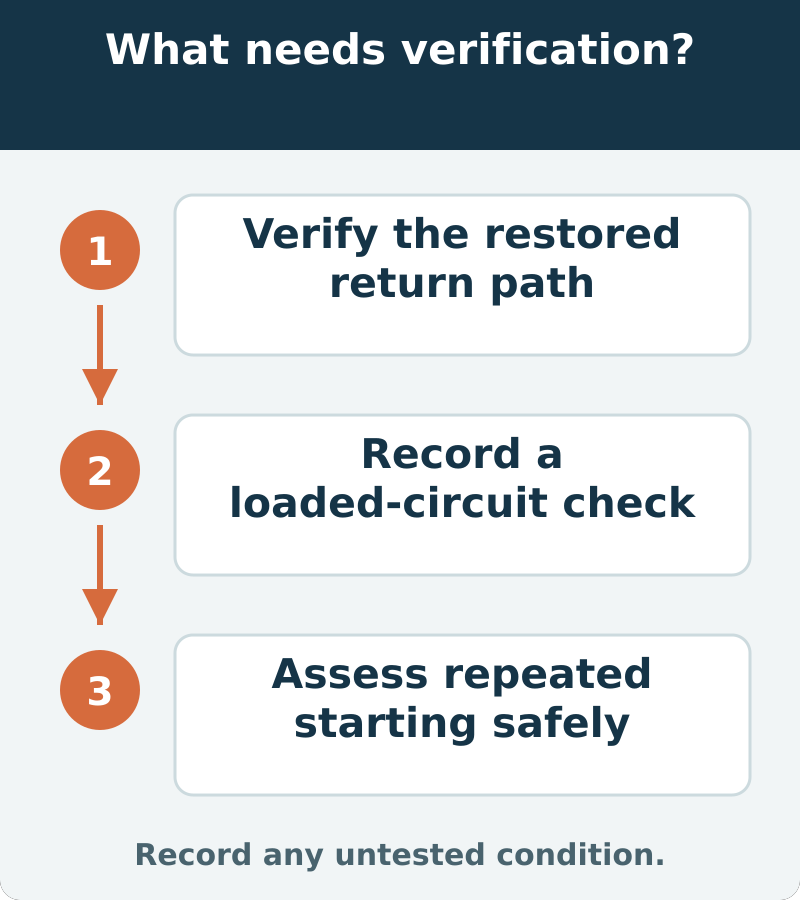
Ask for a loaded test and repeated starting result
At collection, ask for the return-path result and the relevant starting and fuel-delivery checks. The published account does not provide final loaded voltage-drop numbers, so those must not be invented as a target or claimed outcome for this repair.
For an intermittent problem, retain the conditions of both the original failure and the post-repair assessment. If it recurs, report whether the engine cranks and what the workshop’s earlier tests established. The lasting lesson is a complete loop: a new load still needs a sound supply and return. Checking that relationship can stop a no-pressure complaint from becoming another round of unsupported pump purchases.








Comments 0
Questions, fixes, and real-world diagnostic notes from readers.
Be the first to share a diagnostic result or ask a follow-up question.