
BMW 425i B48 Rough Running: VANOS Control Solenoid Fault Repaired

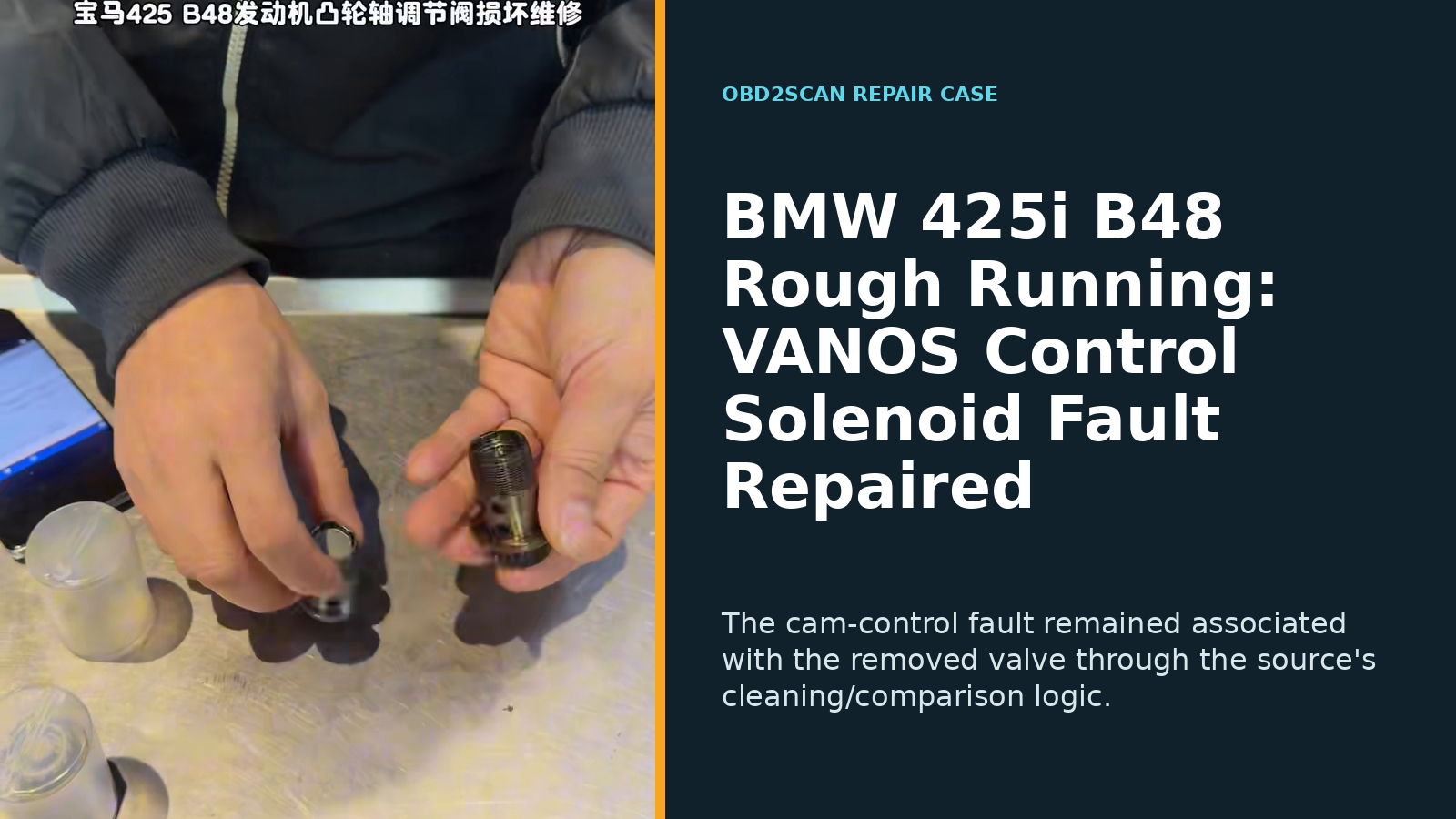
A BMW 425i with a B48 engine—but unreported year, chassis and mileage—arrived with the MIL on, unstable idle, weak acceleration and difficult starting. A cam-control fault made oil supply, wiring, the control solenoid and mechanical timing candidates rather than immediate parts decisions. The source reports that removal, cleaning and comparison isolated a faulty VANOS oil-control solenoid, which was replaced before a visible static restart and diagnostic review; a same-condition road result is not reported.
Case at a glance
| Item | This 425i |
|---|---|
| Vehicle | BMW 425i; year and chassis not reported |
| Engine | B48 |
| Mileage | Not reported |
| Complaint | MIL, unstable idle, weak acceleration and difficult starting |
| Initial direction | Cam-control / VANOS fault; exact DTC and affected intake/exhaust position not reported |
| Confirmed fault | Faulty VANOS oil-control solenoid / camshaft control valve |
| Repair | Faulty control solenoid replaced; seal checked during installation |
| Restoration | Engine reassembled and VANOS adaptations reportedly reset |
| Verification | Static restart and diagnostic review visible; dynamic same-condition result not reported |
The fault screen made cam control the first branch
The symptom set was broad. Rough idle and weak acceleration can come from air, fuel, ignition, compression or timing control, and difficult starting adds no unique part by itself. The scan result moved cam control to the front of the queue, but the source does not report the exact code text or whether it concerned intake or exhaust.
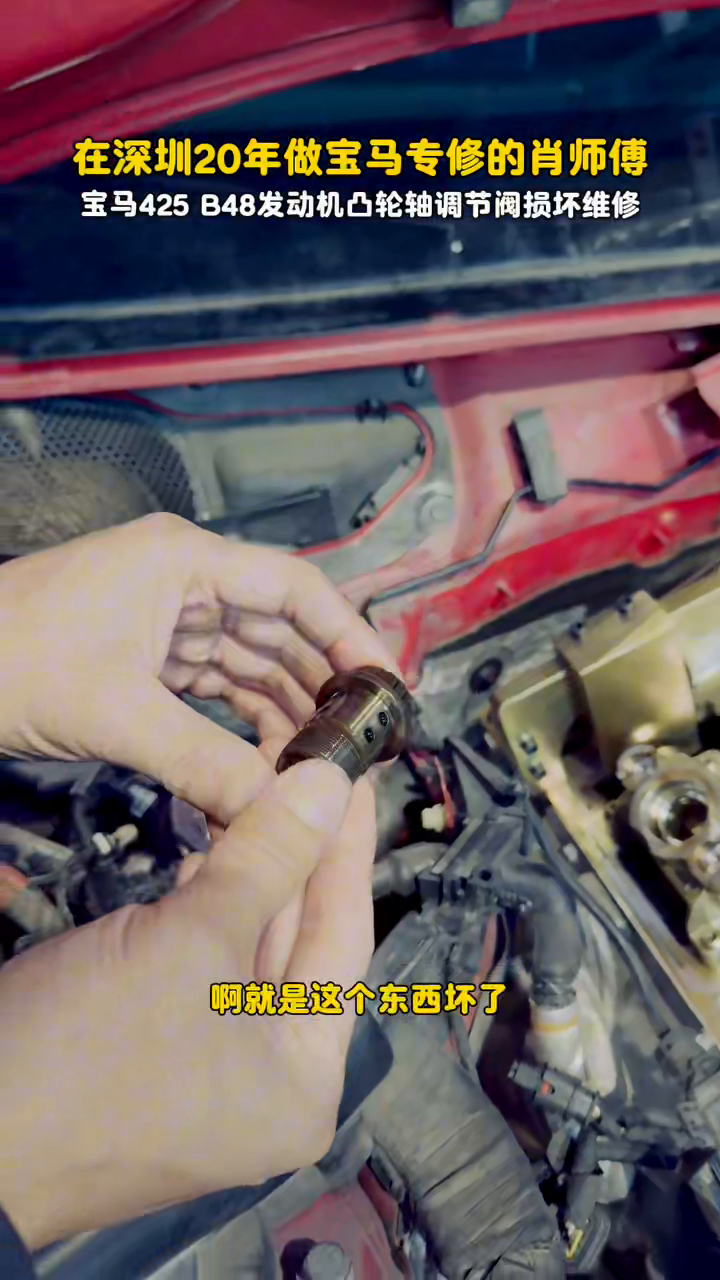
That uncertainty matters. A control-solenoid circuit code calls for electrical checks; a slow-position or plausibility code can require oil-condition, pressure and mechanical-timing branches. This article keeps the case’s actual valve decision without inventing an absent DTC.
Removal separated contamination from electrical speculation
The valve was removed so its screen, moving element, connector and seal could be examined. On a similar B48, a technician would first preserve the fault and relevant cam-position data, inspect oil level/condition and connector integrity, then decide whether removal is justified. The media begins at removal and does not show every earlier check.
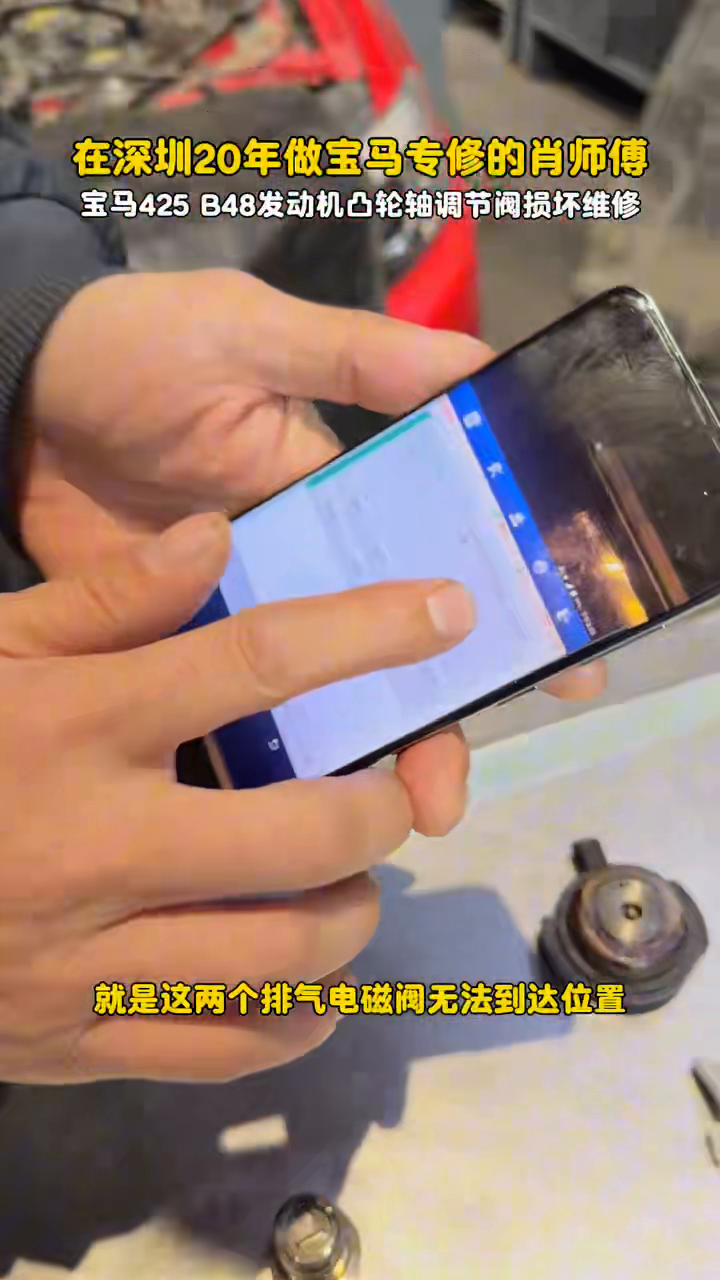
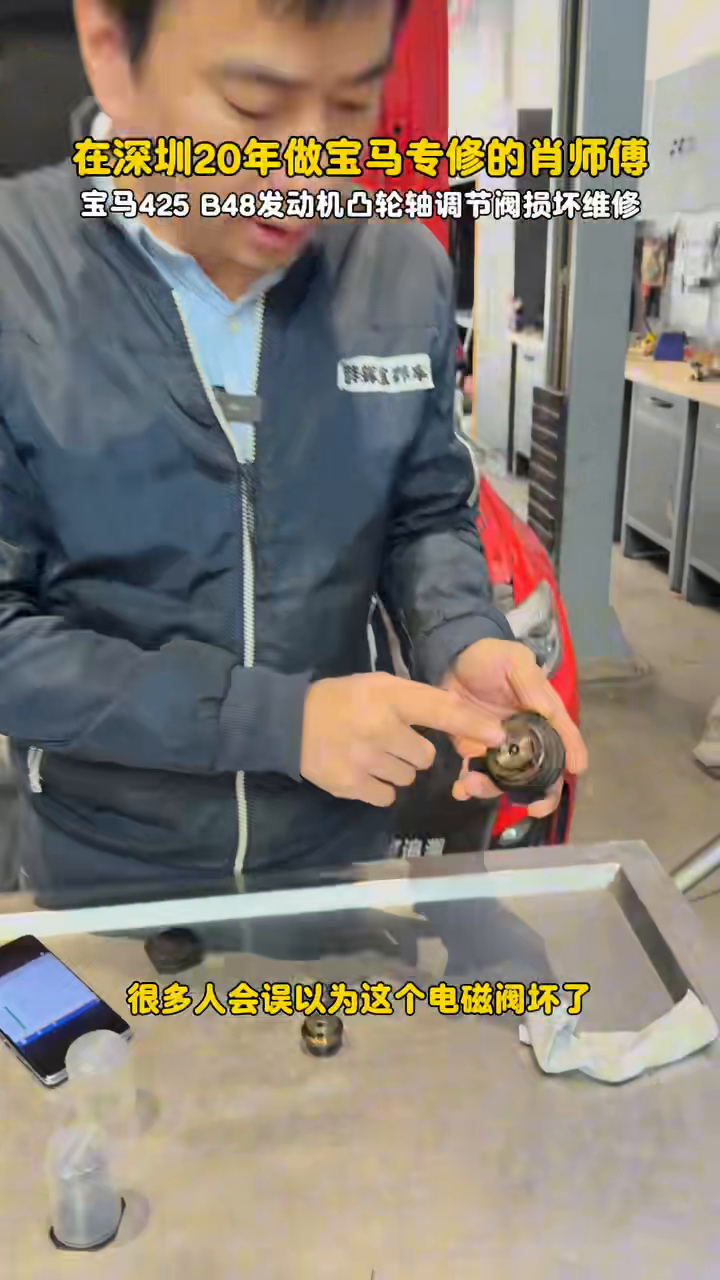
The source describes cleaning as an initial test for a lightly sticking valve. It also describes comparing or swapping equivalent valves and watching whether the fault follows the valve. A fault that stays with one engine position would keep oil supply, wiring or mechanical timing active; a fault that moves with the component supports the component itself.
Cleaning and comparison were decision tests, not repairs by themselves
The strongest transferable idea in the case is the distinction between “it moved after cleaning” and “the fault followed this valve.” Cleaning can free debris, but it cannot prove that an electrically or mechanically worn valve will remain reliable. Likewise, two similar-looking valves are not automatically interchangeable; part number and service data must agree before a swap test.
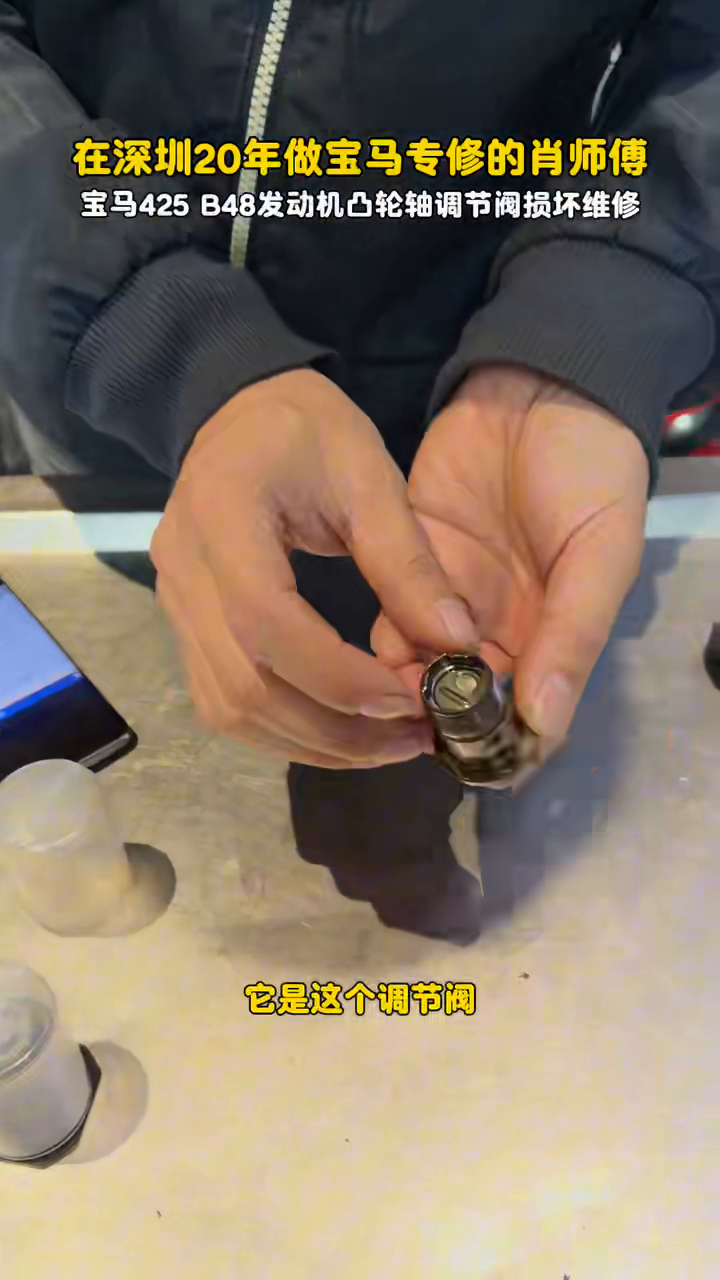
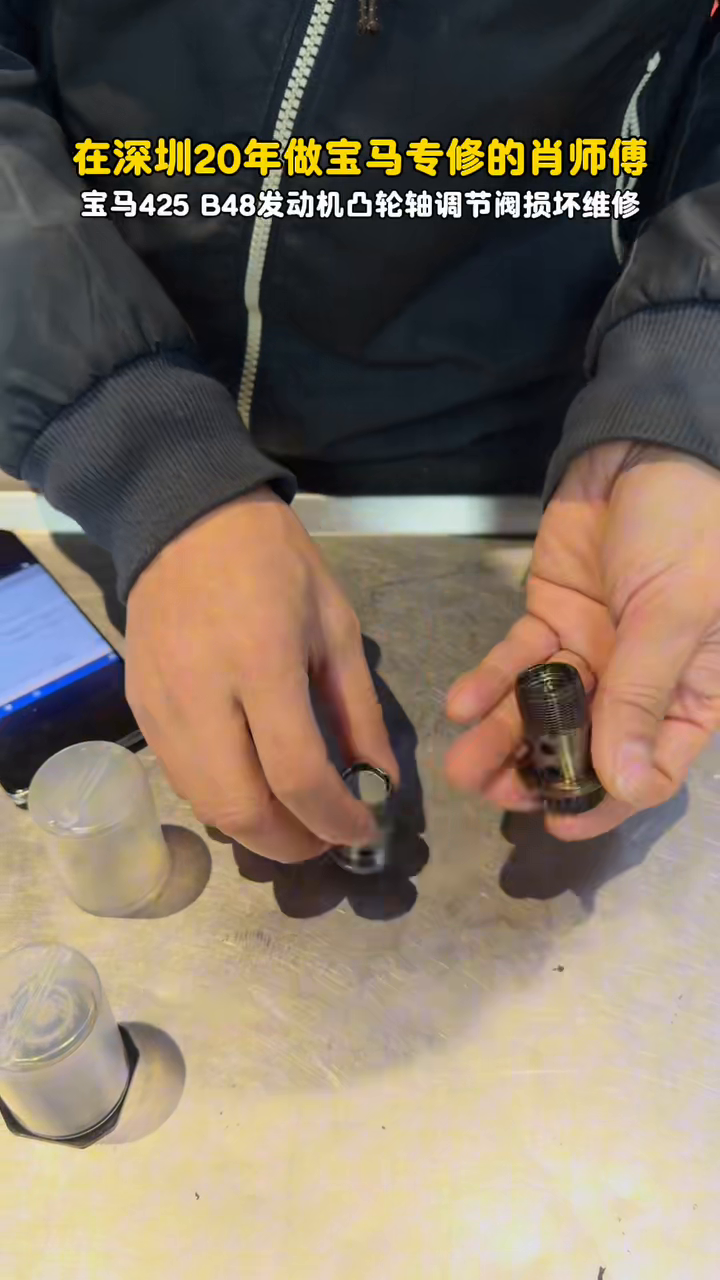
The source concludes that the VANOS control solenoid was faulty after this cleaning/comparison logic. It does not provide the before/after code IDs, affected position, coil measurement or scan values. The confirmation is therefore reported at the component level but not expanded into a numeric test standard.
The reported repair replaced the control valve
Once the component was isolated, the source reports replacing the faulty oil-control solenoid. The seal was checked and lubricated as appropriate during installation, then the connector and removed engine components were restored. No part number, seal material, tightening value or oil specification is reported.
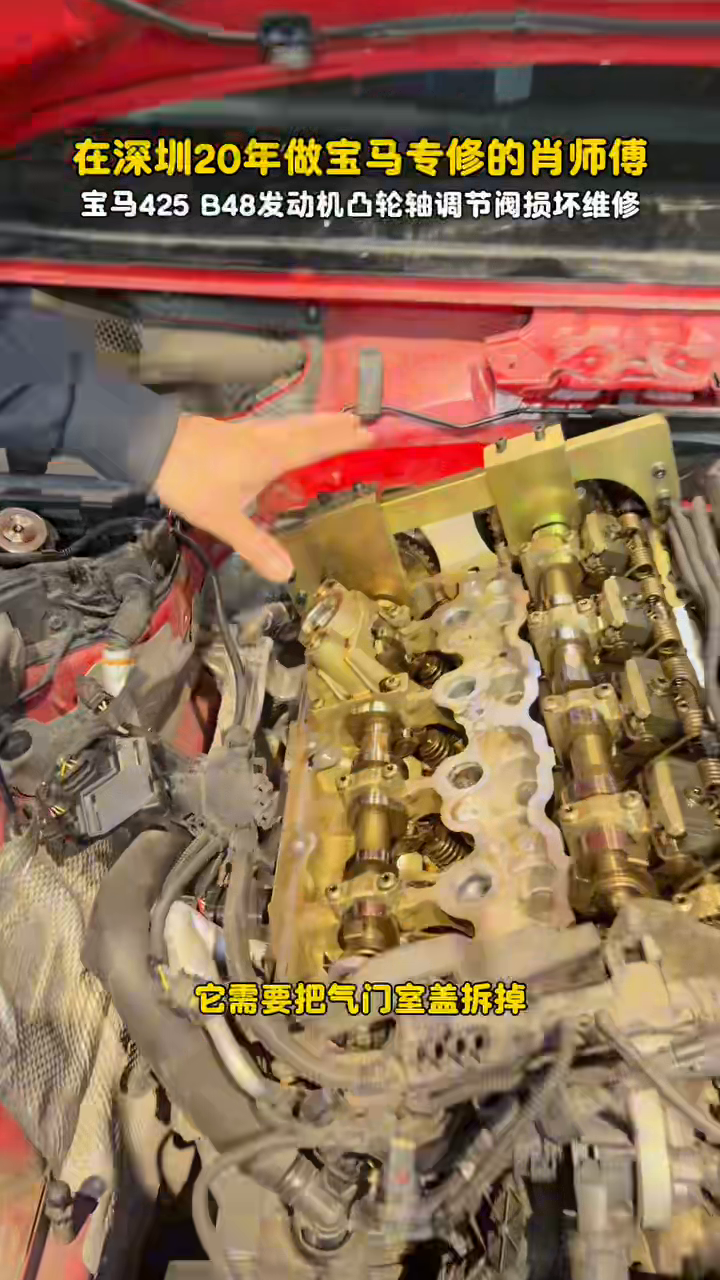
The engine exposure shown later in the video could tempt a reader to declare a larger mechanical problem. The source does not report one. That area remains context and a possible inspection branch, while the actual repair scope stays with the confirmed control solenoid.
Static restart and scan checks set the result boundary
After reassembly, the media shows the ignition/start state and then a diagnostic device. The source also reports resetting VANOS adaptations so the DME could relearn the new valve’s operating response. That restoration is relevant, but a reset is not proof that weak acceleration has been resolved under load.
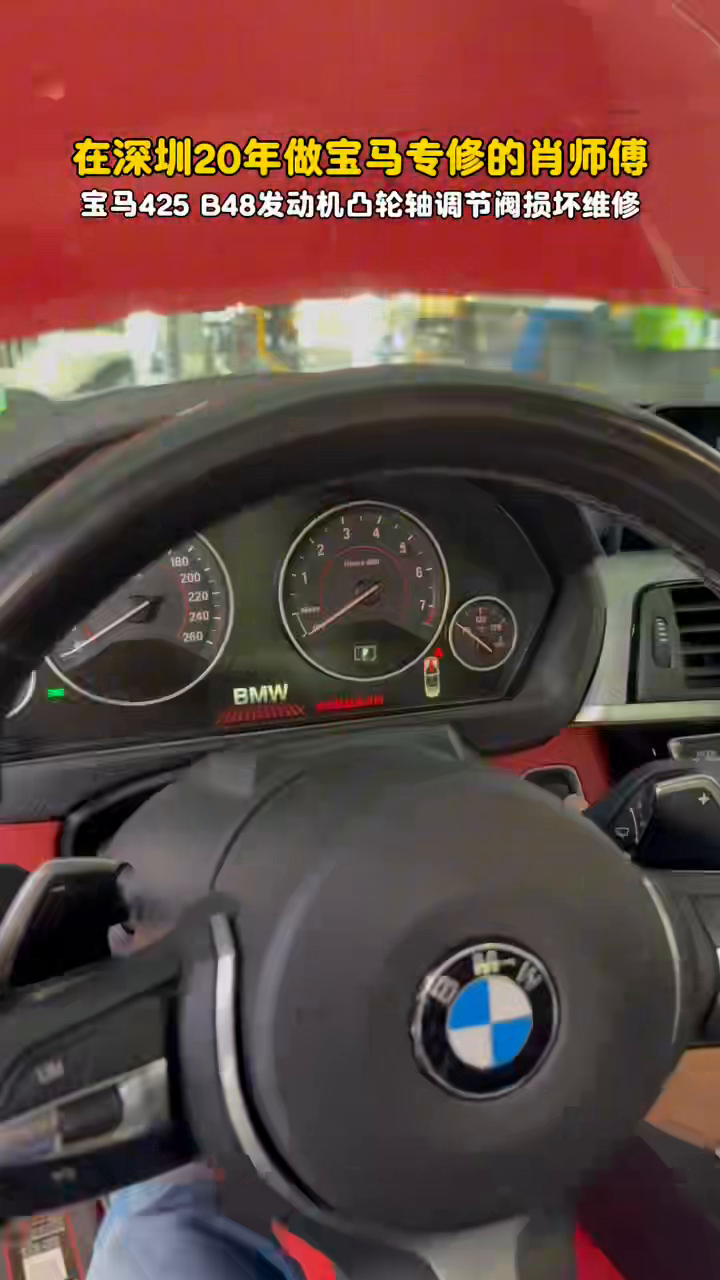
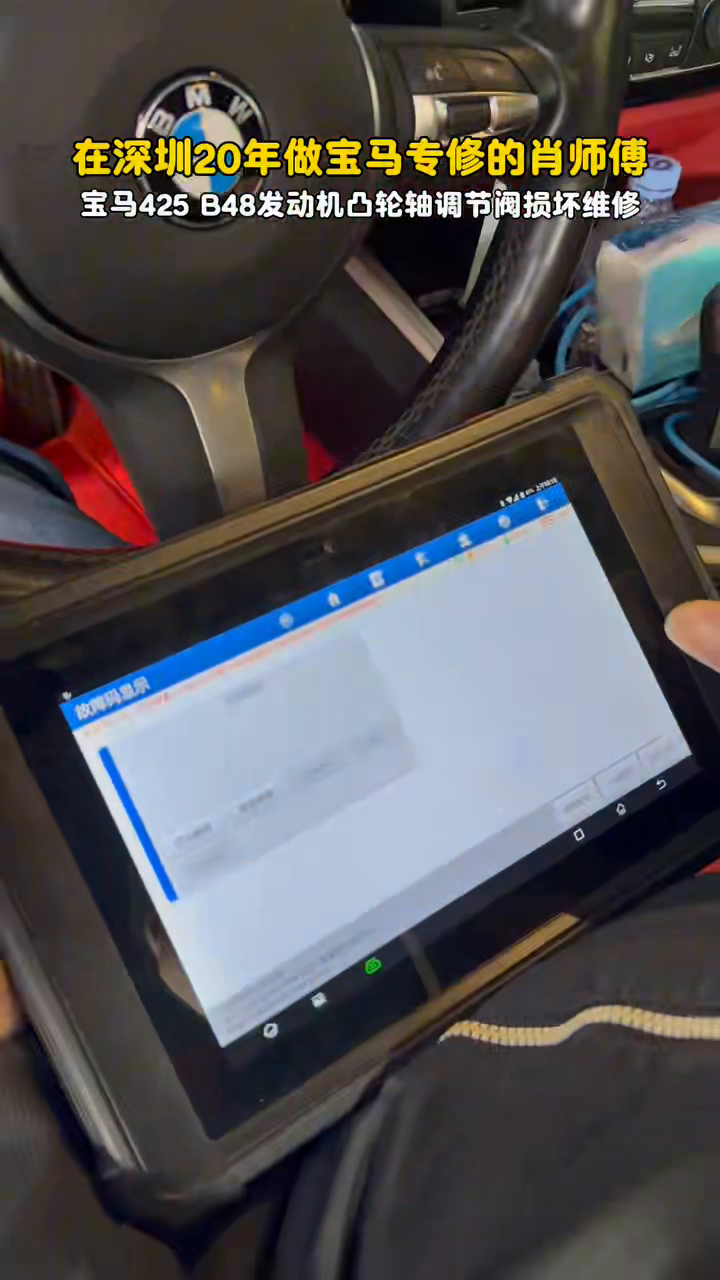
The available closeout is therefore limited: static restart and diagnostic review are visible, while the exact after-repair code status, idle data, acceleration result, road distance and hot restart are not reported. Those are the next maintenance triggers if the MIL or drivability symptoms return.
Carry the decision logic, not the parts choice
On another BMW with a cam-control code, save the exact DTC and cam-position data first. Check oil condition/level and the connector, then use cleaning or a validated position swap only when service data permits it. A fault that follows the valve is the key evidence for a valve-level repair.
Do not copy this replacement from the B48 name or the words “VANOS fault.” Oil pressure, wiring and mechanical timing can produce similar symptoms, and a static restart cannot substitute for repeating the original acceleration and starting conditions.



Comments 0
Questions, fixes, and real-world diagnostic notes from readers.
Be the first to share a diagnostic result or ask a follow-up question.