
BMW 520 Long-Drive Shudder and 11A002: Low-Pressure Fuel-Pump Failure

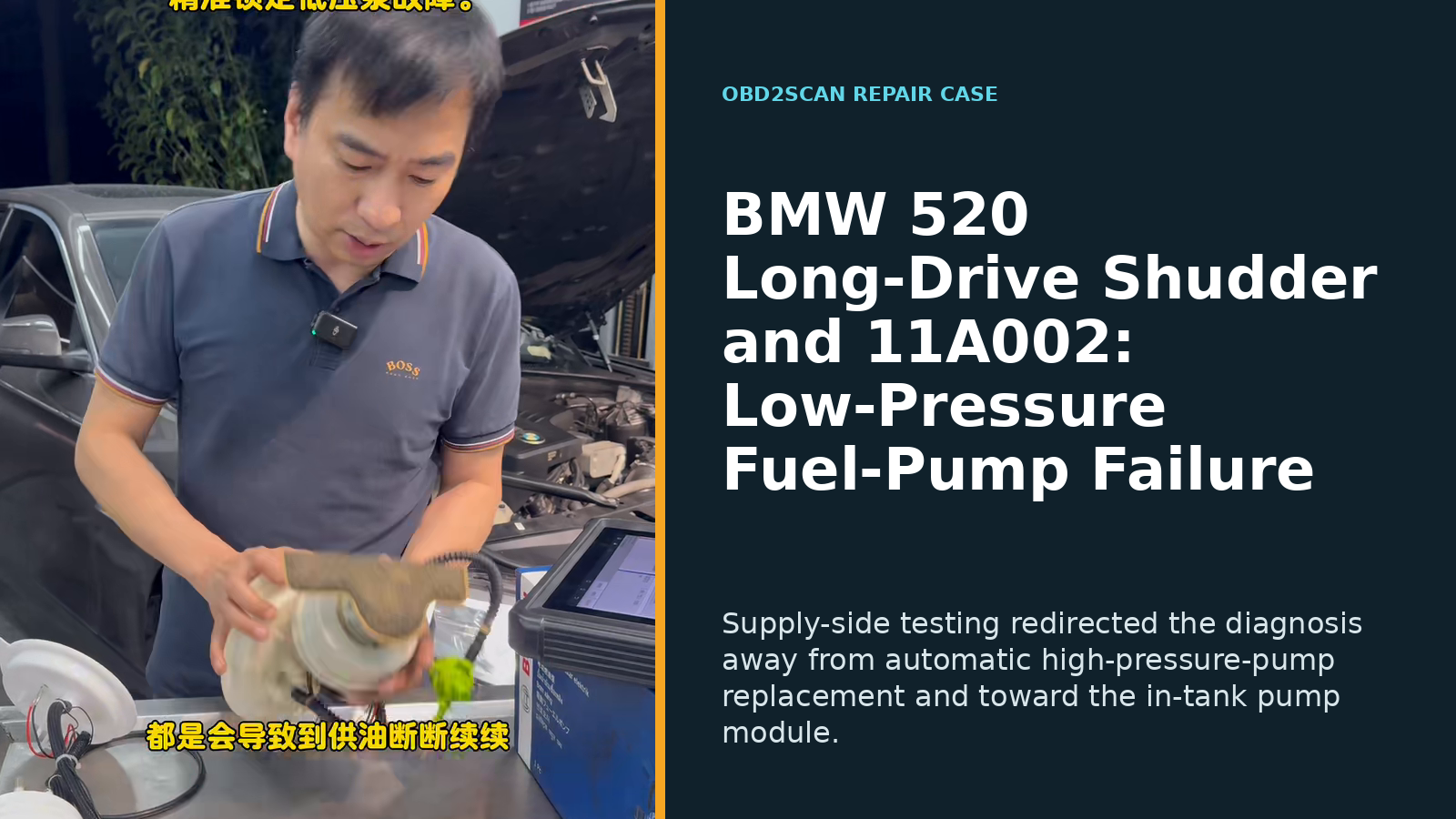
A BMW 520 arrived with a complaint that appeared only after sustained long-distance or high-load driving: the engine began to shudder and power became limited. The stored code, 11A002, described high fuel pressure as too low. That wording could easily send a repair toward the engine-driven high-pressure pump. In this case, however, the workshop found the shortage farther upstream, at the in-tank low-pressure fuel pump.
Case at a glance
| Element | What the source establishes |
|---|---|
| Vehicle | BMW 520; year, mileage, chassis, and exact engine are unresolved |
| Complaint | Shudder and reduced power after sustained long-distance/high-load driving |
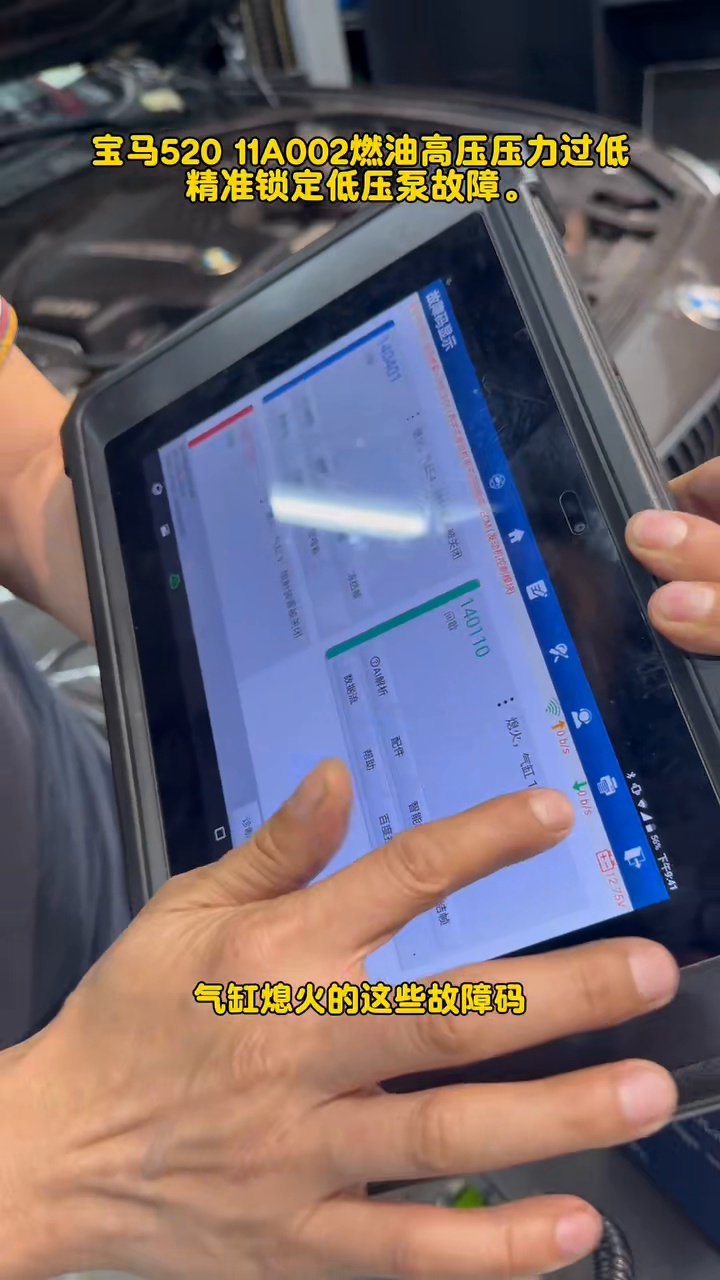
| Initial evidence | 11A002 plus cylinder-misfire entries on the diagnostic display |
| Confirmed fault | Inadequate supply from the in-tank low-pressure pump module |
| Repair | Low-pressure pump module and sealing ring replaced |
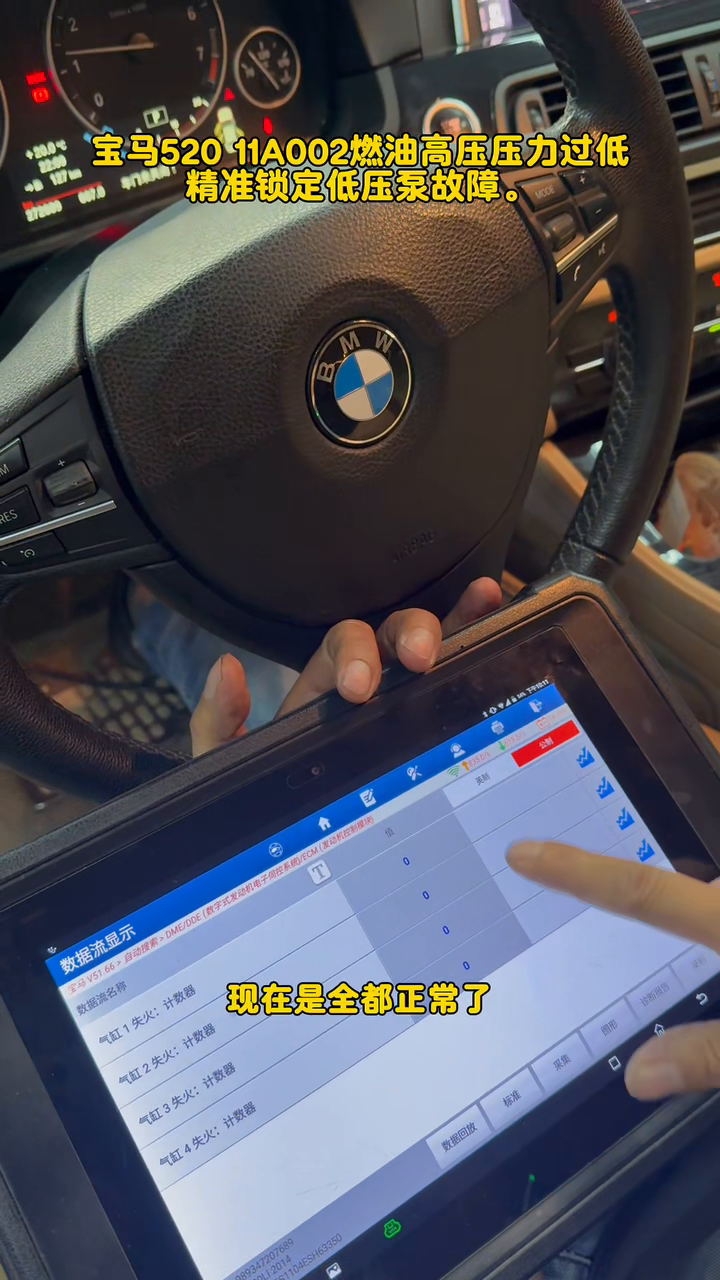
| Verification | Engine restarted, four misfire counters stayed at zero during a stationary acceleration check, and the closing scan showed no faults |
Why the code did not identify the failed part
A fault description is a system observation, not a parts verdict. The high-pressure pump can only build rail pressure from the fuel delivered to its inlet. If that feed becomes inadequate under demand, the control unit can report deficient high pressure even though the high-pressure pump is not the origin of the problem.
The symptom pattern mattered here. The BMW reportedly behaved badly after a long, loaded drive rather than failing in every operating condition. The scan supplied a direction: investigate why commanded fuel delivery could not be maintained when demand rose. It did not, by itself, authorize replacing either pump.
The source does not publish the measured low-side pressure, a BMW test specification, pump current, supply voltage, ground drop, or an exported commanded-versus-actual rail-pressure trace. Those omissions prevent this article from becoming a test procedure. They also matter because a restriction, electrical supply problem, control-module issue, or incorrect vehicle identification could create a superficially similar result.
The diagnostic turning point
The workshop checked the supply side and attributed the shortfall to the in-tank low-pressure pump. This changed the parts decision: the high-pressure wording of 11A002 was not treated as proof that the high-pressure pump had failed.
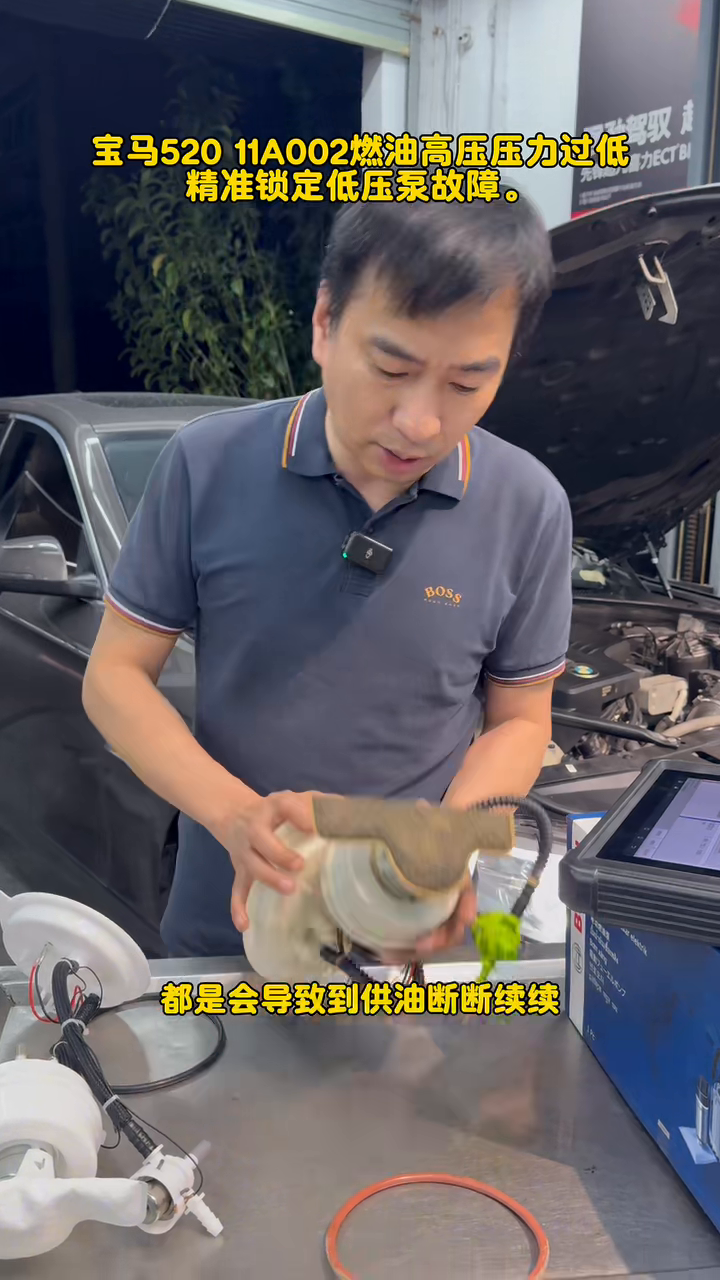
That distinction is the transferable lesson. Read the code at the system level, then test the chain that must support the reported condition. In a fuel-pressure complaint, the chain includes fuel quantity, low-side delivery, electrical command and power, and only then the high-pressure stage. The case supports the workshop’s component conclusion, but it does not supply enough measurements for another technician to skip those checks.
Repair scope
The in-tank pump module was replaced. The video also calls out the large sealing ring as part of the repair rather than something to reuse casually.
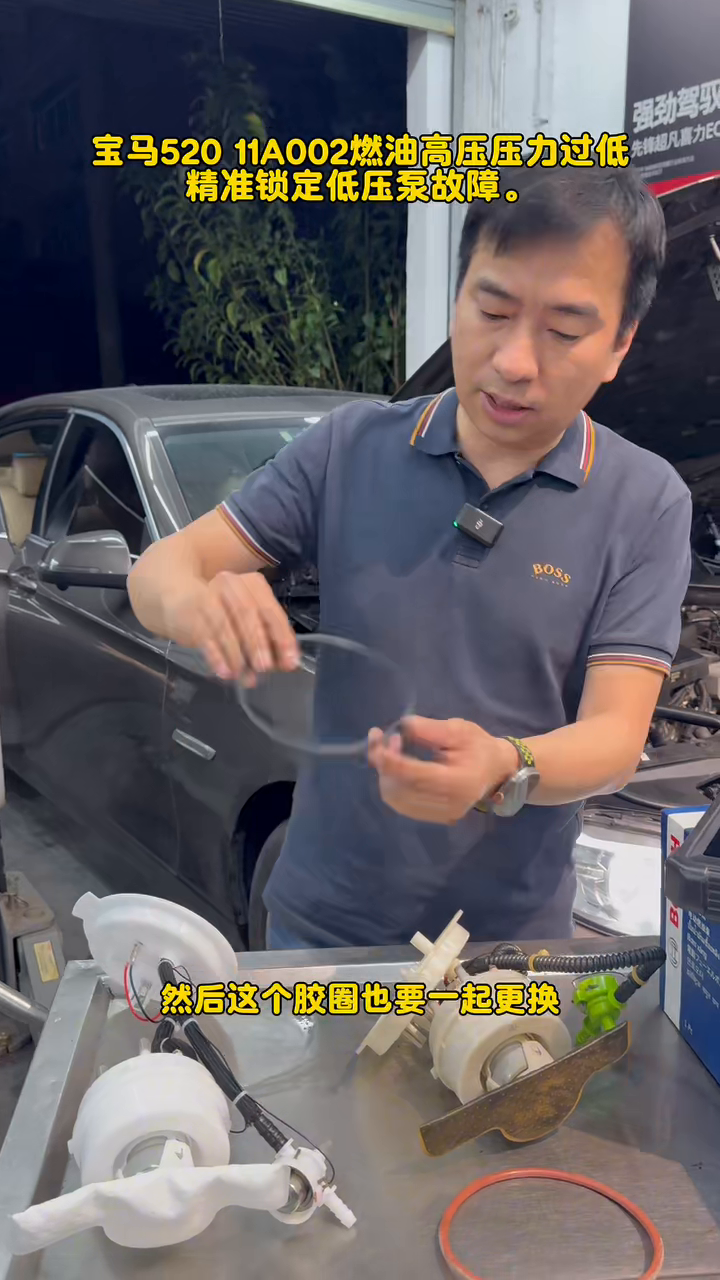
This is not a model-specific removal guide. Fuel vapor, spillage, fire risk, tank access, cleanliness, connector condition, module orientation, seal seating, and retaining-ring installation all require the correct service information and appropriate workshop controls. The source gives no part number or tightening specification. Vehicle identification is especially important because the headline labels the engine “B48/N20,” leaving the exact engine unresolved.
What the post-repair check proved
After installation, the engine started and the workshop monitored live misfire counters while carrying out a stationary acceleration check. The display showed zero for all four cylinders.
The technician then performed a closing fault-code scan.
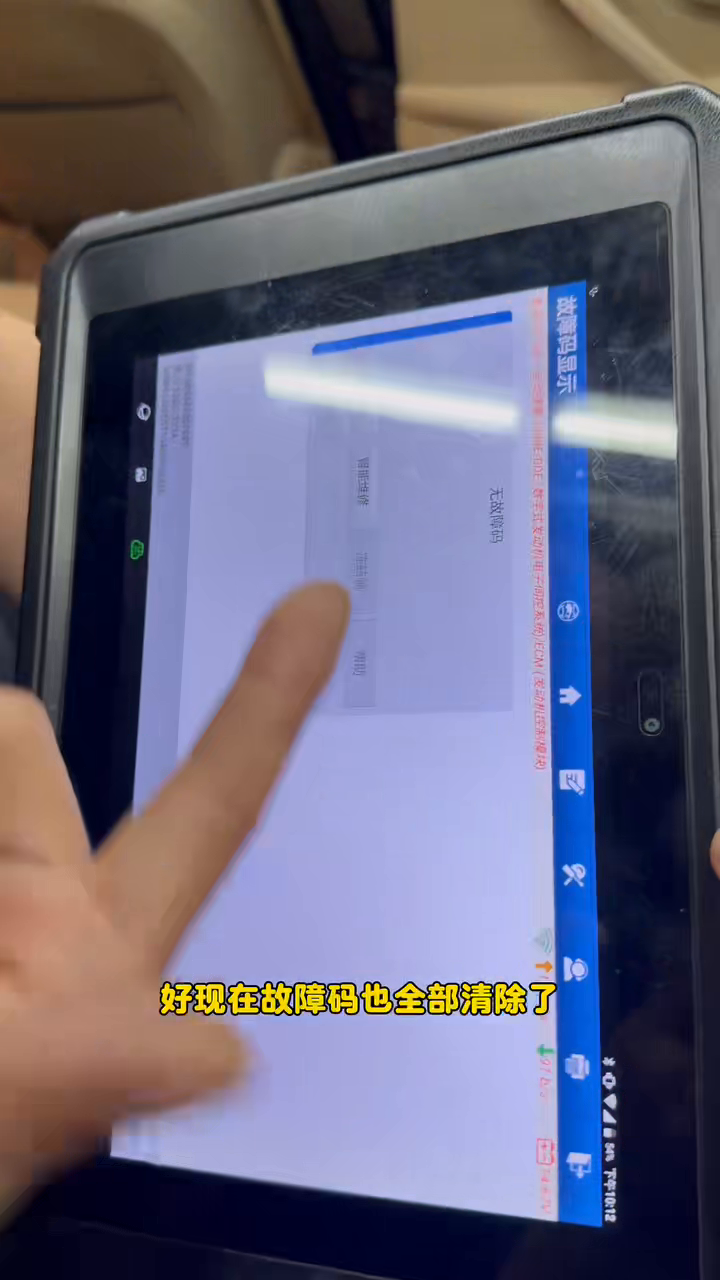
Together, these observations support a successful immediate workshop result: the engine restarted, did not accumulate displayed misfires during the captured acceleration, and finished without a reported code. They do not establish that the original sustained-load condition was reproduced. No extended highway test, before-and-after pressure log, mileage accumulation, or later owner follow-up appears in the record.
Practical takeaway
For a BMW presenting with 11A002, do not translate “high pressure too low” into “replace the high-pressure pump.” Confirm the vehicle and engine, preserve the fault context, and compare low-side delivery and rail-pressure response under the conditions that trigger the complaint. Test electrical supply and control before condemning an in-tank module.
This case earns its diagnosis from the workshop’s supply-side finding and its repair result from the captured restart, misfire-counter check, and clean scan. Its limits are equally important: the source does not disclose the actual pressure values or demonstrate long-term recurrence testing. Those missing items remain required work when diagnosing the next car.


Comments 0
Questions, fixes, and real-world diagnostic notes from readers.
Be the first to share a diagnostic result or ask a follow-up question.