
EV Charging Plug Gets Hot and the Rate Drops? Separate the Outlet, EVSE, Connector, and Car

Find Where Charging Gets Hot
A charging rate that drops after a plug becomes hot is often the system protecting itself. The important word is “where.” Heat at the wall receptacle, the EVSE plug, the control box, the vehicle connector and the charge port crosses different ownership and safety boundaries. Calling all of them “the charger” hides the next step.
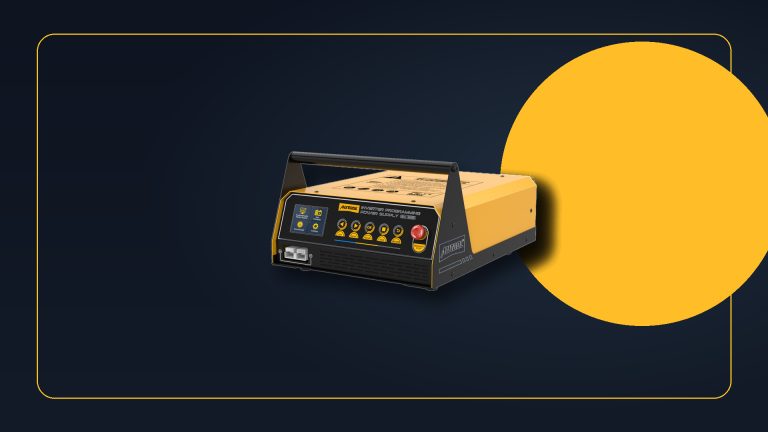
A portable EVSE with current selection and thermal/electrical protections can be useful when its connector, circuit and vehicle match. The AUTOOL C350 portable EV charger is one such route; version, plug and vehicle compatibility must be confirmed. No portable EVSE can certify a wall circuit, repair a worn outlet, or override the car’s thermal limits.
Stop charging if there is unusual heat, burning odor, buzzing, discoloration, soft plastic, melting, repeated faults, or a plug that will not stay firmly seated. Do not open energized equipment. Let everything cool and use this four-boundary triage to decide who should inspect it.
Quick answer: Stop at unusual heat, then locate it at one of four boundaries: premises outlet, EVSE plug/box/cable, vehicle connector, or charge port/car. Use only safe approved substitutions and send hot wiring to an electrician.
In this guide
Stop at the first heat warning
Unplug only if it can be done safely and the connector is not melted, arcing or physically trapped. If smoke, fire or exposed conductors are present, move away and follow emergency guidance. Do not touch metal contacts or pour water onto energized electrical equipment.
Preserve the event: photograph the full setup, each connector and any displayed alert. Record starting current, time until derating, ambient temperature, whether charging was indoors or in sun, battery state of charge, extension cords or adapters, and the exact part that felt or measured hottest. A safe non-contact temperature comparison can help after hazards are controlled, but surface emissivity and location affect readings.
Do not immediately repeat at maximum current “to confirm.” Thermal damage raises resistance, and higher resistance creates more heat at the same current. A fault that self-protected once may not do so before further damage the next time.
Boundary one: outlet and premises wiring
The wall connection includes the receptacle, plug blades, terminations, branch wiring, breaker and panel. Heat concentrated at the receptacle or wall plug points first toward contact quality or premises wiring, not the car. A receptacle can still deliver voltage while worn contacts create resistance under sustained load.
Look only externally for looseness, discoloration, cracking, scorch marks, buzzing, odor and a plug that sags. Confirm no extension cord, travel adapter, multi-outlet device or coiled lead is being used contrary to the EVSE instructions. Do not remove the outlet cover or tighten live terminals unless you are qualified and authorized.
A licensed electrician should verify circuit rating, conductor and termination condition, receptacle suitability, breaker, grounding and continuous-load requirements under local code. A household outlet that served small appliances for years has not thereby proven it is healthy for long-duration EV charging.
Ask whether the receptacle shares other loads and whether charging recently moved from a lower to a higher current setting. These details do not authorize a DIY panel inspection, but they help the electrician recreate the sustained load that a quick no-load voltage check will miss.
Boundary two: EVSE plug, box and cable
If the wall outlet remains normal but the EVSE plug body, inline control box or one cable section overheats, inspect the device after disconnection and cooling. Look for bent or oxidized blades, loose strain relief, cuts, crushed cable, water ingress and error indicators. Do not splice, tape over or reshape a high-current connector as a road repair.
Distinguish normal warmth from a localized hot spot. Electronics in a control box may become warm during operation, while one pin or cable termination becoming much hotter than its surroundings is more concerning. Use the EVSE manual’s warnings and indicators. A thermal trip that resets after cooling has recorded a condition; it has not repaired the connection.
Current selection matters only within the circuit and device limits. Reducing current can be a temporary diagnostic observation when the equipment maker permits it, but it is not permission to keep using a damaged connector. Confirm the selected current does not exceed the approved branch circuit or adapter arrangement.
Boundary three: vehicle connector
Heat at the handle where it meets the vehicle directs attention to the mating contacts, contamination, incomplete insertion, latch condition, cable termination and connector temperature sensing. Disconnect and inspect only when cool and safe. Look for dirt, moisture, debris, damaged seals, bent contacts, darkening and a latch that does not fully engage.
Do not insert picks, abrasives, sprays or improvised cleaners into high-current contacts. Use the vehicle and EVSE manufacturer’s cleaning and service method. A connector that requires pressure, wiggling or support to charge should be removed from use.
Compare whether the same EVSE becomes hot at another compatible vehicle only if that substitution is safe, approved and available. If the heat follows the handle, the EVSE side gains weight. If it appears only at one vehicle inlet, the vehicle-side boundary gains weight. A single normal session does not clear an intermittent contact.
Boundary four: charge port and vehicle
Vehicle alerts, charge-port heat, repeated derating across known-good EVSEs, or visible inlet damage belong with the vehicle service path. The car may reduce current because of inlet temperature, battery thermal management, onboard charger limits, state of charge, scheduled charging, grid response or a stored fault. Read the exact alert rather than reducing all charge-rate changes to heat.
Inspect external inlet condition and door seals. Listen for cooling-system operation and check whether the event occurs only at high battery state, immediately after a hot drive, or in extreme weather. Save charging logs and DTCs where the vehicle supports them. High-voltage covers, interlocks and orange cables are not DIY inspection points.
A qualified EV technician can compare commanded and actual current, temperature sensors, inlet contact condition, onboard charger data and thermal-system operation. Replacing the portable EVSE will not correct a burned vehicle inlet or failed battery cooling circuit.
Use one controlled substitution
A substitution is useful only when one variable changes. A known-safe, professionally verified circuit with the same approved EVSE can test whether the heat follows the premises connection. A known-good compatible EVSE on the verified circuit can test whether the event follows the device. A public charging session may offer context, but different voltage, current and charger architecture can prevent a direct comparison.
| Change | If the hot spot follows | If it disappears |
|---|---|---|
| Verified outlet/circuit | EVSE or vehicle branch remains | premises wiring gains weight |
| Known-good compatible EVSE | vehicle inlet/thermal branch gains weight | original EVSE gains weight |
| Lower approved current | resistance-related heating may reduce | damage is not cleared; inspect the boundary |
Never use an unapproved adapter to create the comparison. Do not defeat ground checks, temperature sensors or locking systems. Protective derating is part of the evidence and should remain active.
Return to service only after the hot boundary is cleared
The responsible party should repair or replace the proved boundary: electrician for premises wiring, EVSE manufacturer or qualified repair route for the portable equipment, and vehicle service for the inlet or onboard system. Replace heat-damaged mating components as directed; a new plug against a burned receptacle can inherit the same failure.
Verify at a conservative approved current while observing the complete connection, then repeat at the intended setting only after the repair passes. Record temperature location, charging current and time under similar ambient conditions. A stable session means no local hot spot, odor, discoloration, alert or unexpected derating. That is a safer conclusion than “the charger feels cooler now.”







Comments 0
Questions, fixes, and real-world diagnostic notes from readers.
Be the first to share a diagnostic result or ask a follow-up question.