
2006 GMC Sierra P0128 After Cooling Repairs: Check the Radiator, Not Just the Thermostat

Quick answer: Persistent under-temperature can come from an incorrect coolant path. This Sierra had a replacement radiator missing a restriction in the surge-tank connection.
A radiator can fit its mounting points while differing in a small flow-control feature. When P0128 remains after cooling repairs, the replacement-parts history belongs in the diagnosis. Never open a hot pressurized system to inspect it.
For a cool, safely disconnected fitting that is difficult to view, an articulating camera such as the AUTOOL SVB308 can help record an accessible feature. It cannot measure coolant flow or certify that the radiator matches the application.
The question is not whether aftermarket parts are always good or bad. It is whether the actual installed part satisfies the requirements of this vehicle.

In this guide
A new thermostat does not settle P0128
An under-temperature complaint invites attention to the thermostat, but replacing it does not automatically establish the rest of the cooling system is correct. Start with the observed warm-up behavior, recorded fault information and work already performed.
Ask what supports genuine under-temperature and what supports an inaccurate report. Those are different paths. A second sensor reading may help, but only if the technician understands what it measures and whether it is genuinely independent.
A useful repair history includes dates, installed part identification and whether the complaint began or changed after each intervention. That is not an accusation against the last person who worked on the truck. It is a way to identify a variable that changed.
The small radiator feature behind this repair
ALLDATA’s 2006 Sierra 5.3L case describes P0128 and a gauge dropping after warm-up despite OEM thermostat and coolant-temperature sensor replacement. A separate temperature comparison supported actual under-temperature. Inspection of a recently installed radiator found a missing restriction at the surge-tank feed fitting. A suitable replacement radiator resolved the complaint.
The important part is not a universal fitting size. The report supports checking a particular flow-routing feature on the correct application. Do not turn it into instructions to drill an orifice, clamp a hose or make a restrictor by trial and error.
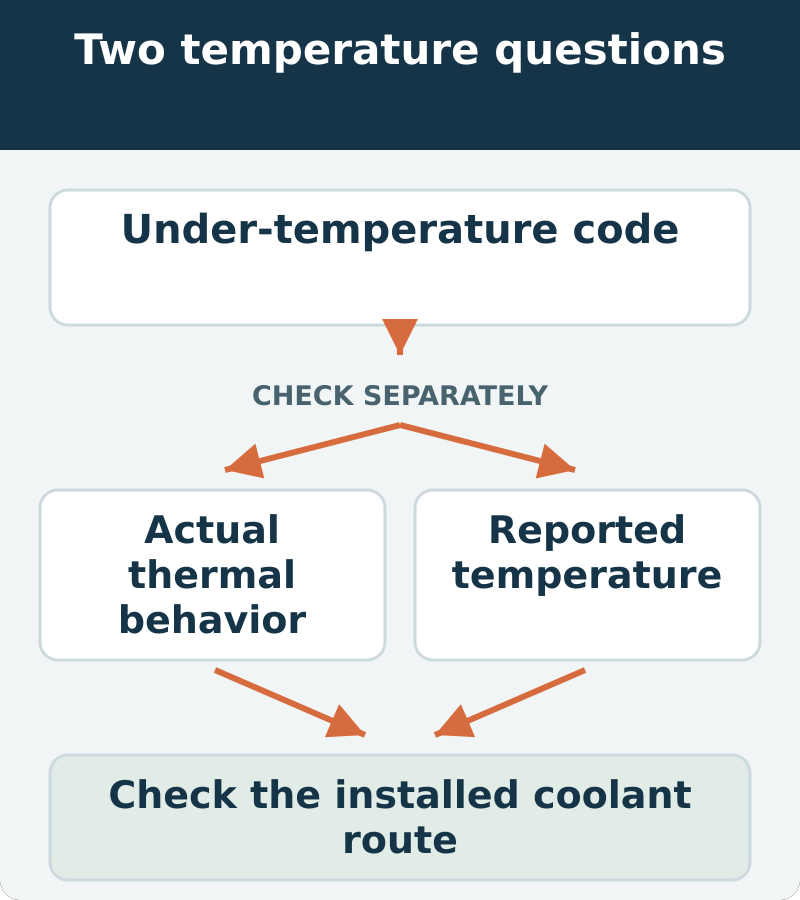
Separate a cold engine from a misleading reading
A temperature comparison needs a known target and known conditions. An infrared thermometer measures a surface, not the coolant inside the passage. Reflections, surface properties and the viewed area can affect what the instrument reports.
That does not make independent temperature checks useless. It means a technician should interpret them as part of a coherent warm-up assessment rather than insist that a surface reading exactly equal a coolant data value.
If a reading is implausible, the sensor circuit deserves attention. If the engine genuinely fails its applicable warm-up requirement, investigate the causes of that thermal behavior. Replacing a reporting component cannot correct an unsuitable fluid path simply because both can affect the dashboard.
Compare the coolant route, not just the mounting points
Part matching includes the functional details relevant to the application. Mounting positions, overall dimensions and hose attachment are visible checks; they are not necessarily the whole specification.
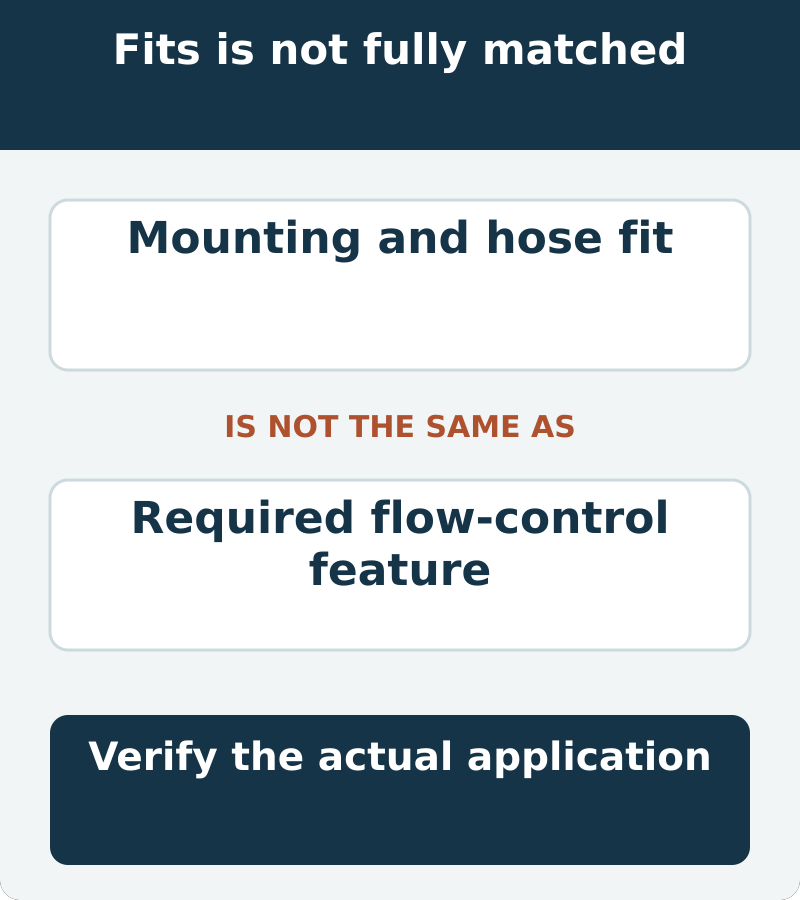
Ask the technician or supplier to compare the installed identification with current application information. If an internal or small fitting feature matters, request a documented comparison to the specified construction. A photograph is useful only if its view can actually show the feature being discussed.
Avoid generalizing from a single mismatch. The relevant distinction is correct versus incorrect application, not a claim that every product from one supply category has the same defect. No brand reputation can replace checking the part that is actually fitted.
What to ask the parts supplier and workshop
Keep the conversation practical. Which part number was supplied? What vehicle information was used to select it? What functional feature is in question? What evidence supports exchanging the assembly rather than continuing with sensor diagnosis?
The response should connect the proposed replacement to the failed requirement. If the suspect feature cannot be verified while assembled, agree on the inspection needed and what happens if it does not support the current theory.
Do not accept an improvised restriction as equivalent to a correctly specified radiator. Flow-control changes can affect more than the immediate symptom. The intended construction and applicable service method should govern the repair.
There is also a useful stopping point for an owner: supply the invoice and observations, then let the workshop handle depressurization, disconnection and inspection. Trying to obtain a better photograph is not a reason to open a warm system.
Confirm warm-up after the correct part is fitted
Request verification of correct assembly, fluid condition and leak integrity, followed by the appropriate warm-up and fault checks. The tested operating conditions should be recorded so the result can be compared with the original complaint.
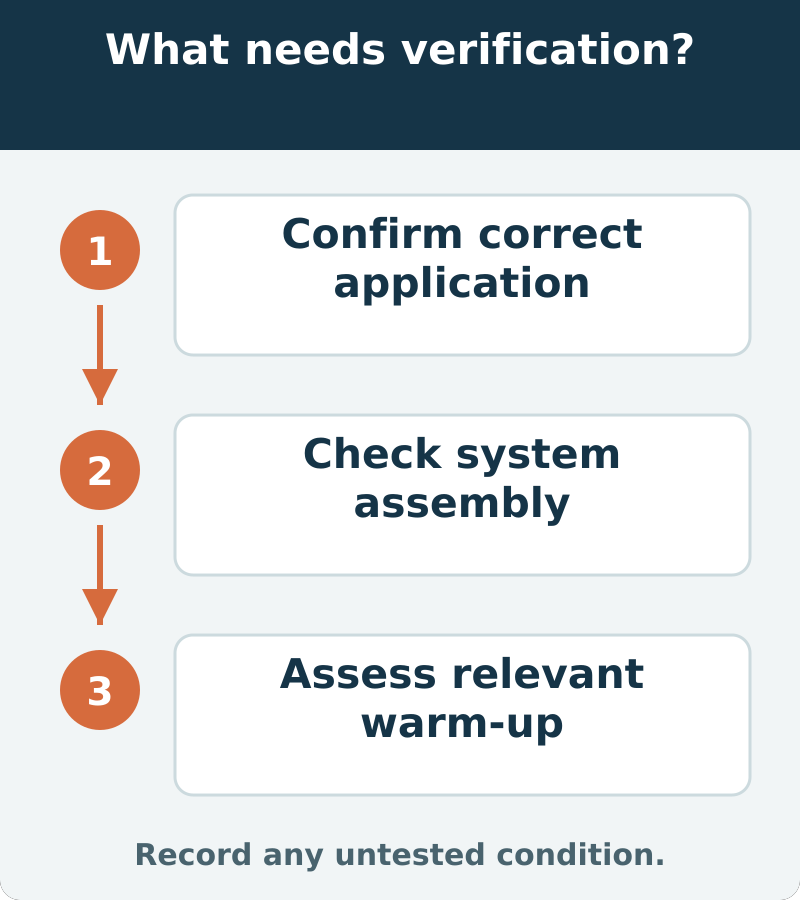
An empty code list immediately after clearing is not the same as a completed assessment. If a warning returns, preserve the new information and revisit the evidence. The value of this case is a better question about the installed fluid route—not a new part to prescribe every time P0128 appears.










Comments 0
Questions, fixes, and real-world diagnostic notes from readers.
Be the first to share a diagnostic result or ask a follow-up question.