Oil Leak or Oil Consumption? Measure the Loss Before Choosing a Repair
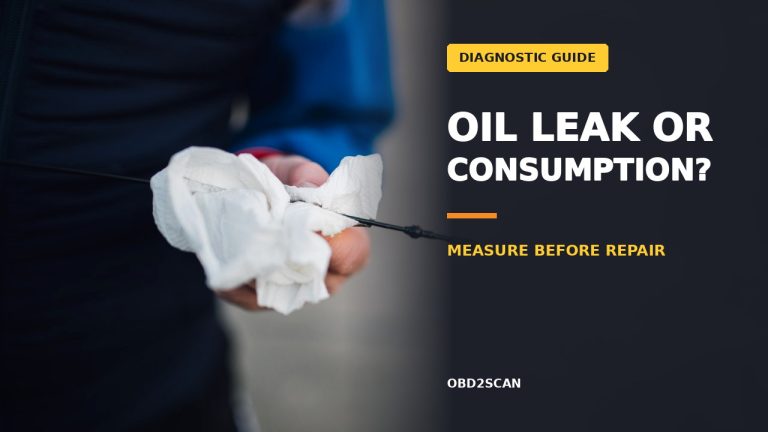
Standardize dipstick checks, inspect for hidden external leakage, and distinguish oil burning or fluid mixing without relying on puddles or exhaust color alone.

Standardize dipstick checks, inspect for hidden external leakage, and distinguish oil burning or fluid mixing without relying on puddles or exhaust color alone.
Connect a multimeter safely, compare rested, cranking, and running voltage under known conditions, and understand why voltage alone cannot certify battery health.
Pressure-test a cold cooling system using the correct adapter and vehicle limit, then interpret pressure loss with physical evidence instead of guessing the leak path.
Use scan data and controlled condition changes to separate an all-cylinder idle problem from a cylinder-specific fault before cleaning or replacing parts.
Reproduce a clunk by road condition, rule out loose cargo and wheel issues, and direct the inspection without replacing shocks, links, or mounts by guesswork.
Follow one cold-engine route from the ground upward to spot fresh leaks, low fluids, damaged hoses, loose connections, and high-voltage no-touch areas.
Use rhythm, load, visual tracking, and engine-off inspection to separate alignment, tension, contamination, pulley, and accessory faults without masking the noise.

Verify identity, title history, recalls, cold-start behavior, road-test evidence, and an independent inspection before price pressure turns unknowns into your repairs.
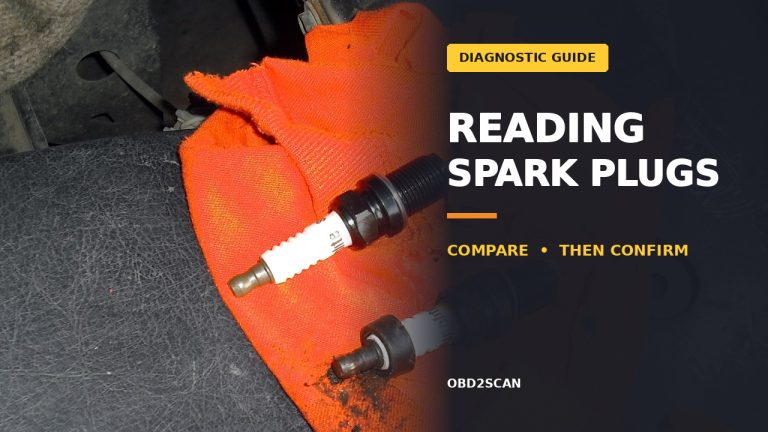
Use spark-plug appearance as cylinder-specific evidence, preserve plug position, and confirm fouling, overheating, or deposits with scan and mechanical tests.
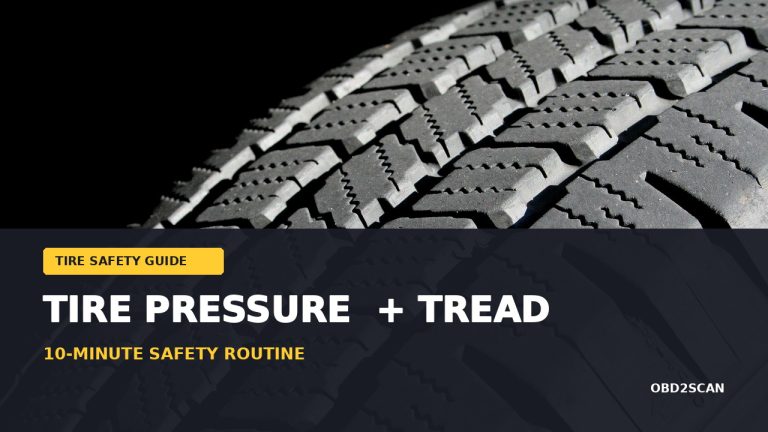
Check cold pressure from the vehicle placard, measure tread across each tire, and recognize damage or wear patterns that need immediate action.