
Reading Spark Plugs: Compare Cylinders, Then Confirm the Cause

A spark plug records the conditions under which it operated, but those conditions include engine load, trip length, plug heat range, fuel, oil control, cooling, ignition, and the moment the engine was shut down. Label every plug by cylinder and compare the full set before interpreting one deposit.
What to do first
- Keep plugs in cylinder order and record mileage, codes, operating complaint, plug part number, gap, and whether the engine was cold or recently loaded.
- Describe what is visible—dry black deposit, wet coating, glazed insulator, eroded electrode, damaged ceramic—before assigning a cause.
- Confirm with misfire data, ignition and injector tests, compression/leak-down, oil-use history, cooling evidence, and exact plug specification.
In this guide
1. Preserve the evidence during removal
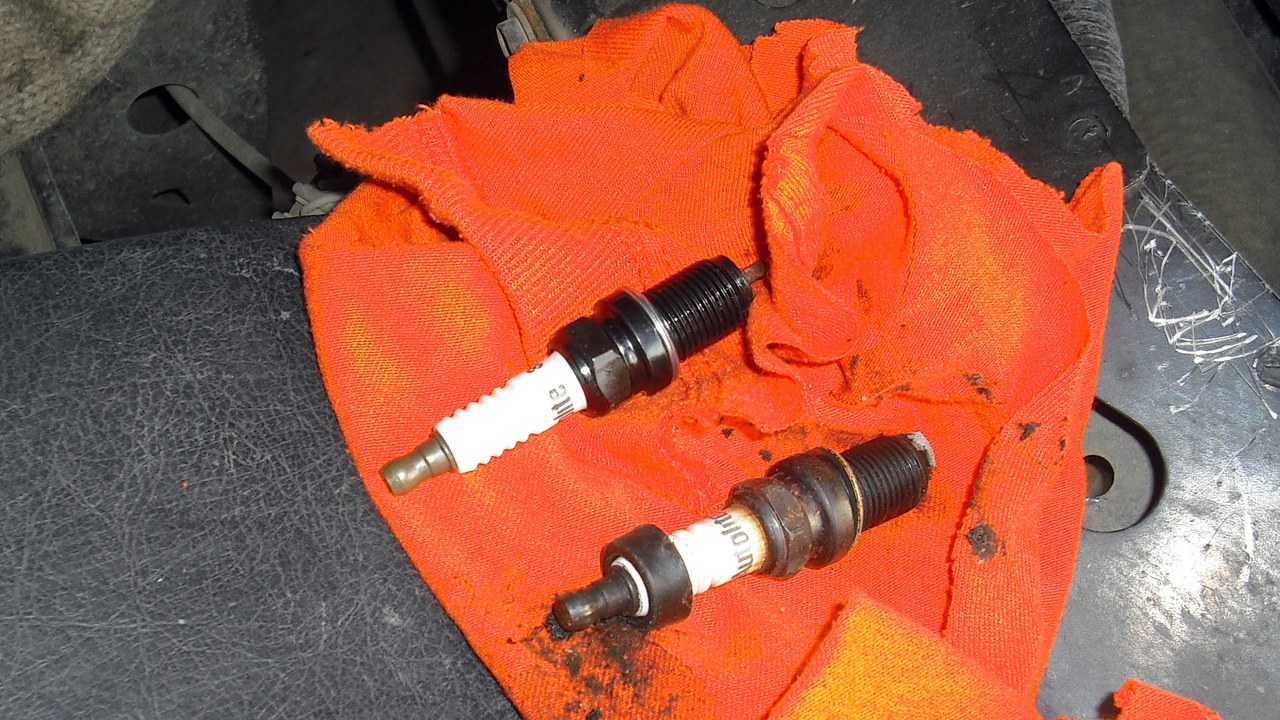
Let the engine cool as required. Clean loose debris from each plug well before removal, use the correct socket, and keep coils, boots, and plugs labeled. Note oil or coolant in the well separately from deposits on the firing tip; a valve-cover leak outside the combustion chamber is a different path.
Photograph each plug in the same light, orientation, and distance. Include the firing end, insulator, electrodes, threads, sealing seat, and part number where legible. Record removal feel and measured gap without scraping deposits or mixing plugs between cylinders; consistency makes the comparison defensible.
Do not force a plug
Resistance, damaged threads, an unfamiliar plug seat, or a broken ceramic calls for the exact removal procedure. Cross-threading or debris entering the cylinder can turn an inspection into major engine damage.
2. Describe the firing end before diagnosing it
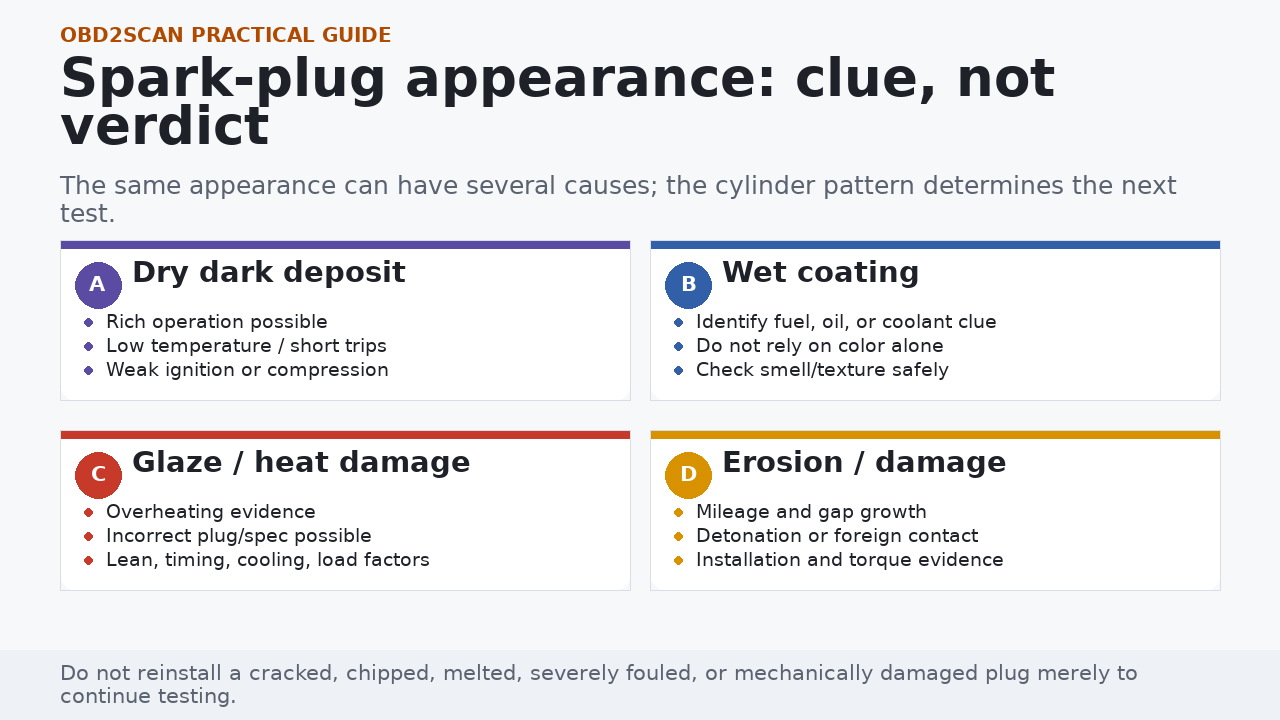
NGK states that light tan or gray can accompany normal operation, while dark, wet, glazed, eroded, or melted conditions point to further investigation. Modern fuel, additives, operating cycle, and plug design limit what color alone can say, so record texture, location, symmetry, gap, and electrode shape.
- Dry and sooty: record whether all cylinders share it and whether short trips or rich operation are present.
- Wet: determine cautiously whether the material appears to be fuel, oil, or coolant; do not expose samples to flame.
- Glazed, blistered, or melted: treat as heat/pre-ignition evidence and investigate before further loaded operation.
- Cracked or impact-marked: inspect plug correctness, installation, and possible cylinder contact or debris.
3. Compare the cylinder pattern
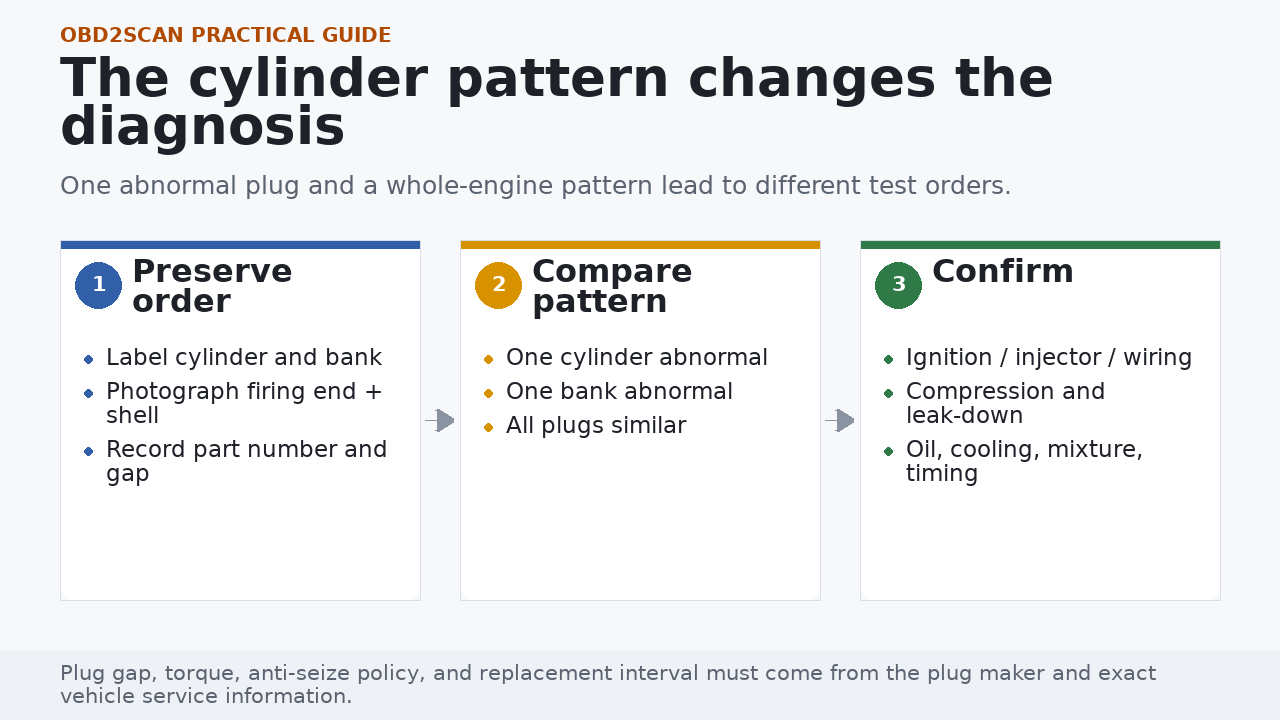
| Pattern | More useful next direction |
|---|---|
| One plug differs | Cylinder-specific coil/boot, injector, wiring, compression, sealing, or local oil/coolant path. |
| One bank differs | Bank-specific air leak, fuel control, sensor/exhaust issue, cam timing, or mechanical condition. |
| All plugs similar | Whole-engine mixture, operating cycle, plug selection, oil use, cooling, or maintenance interval. |
| Plug does not match application | Stop interpretation; confirm part number, reach, seat, heat range, and gap for the engine. |
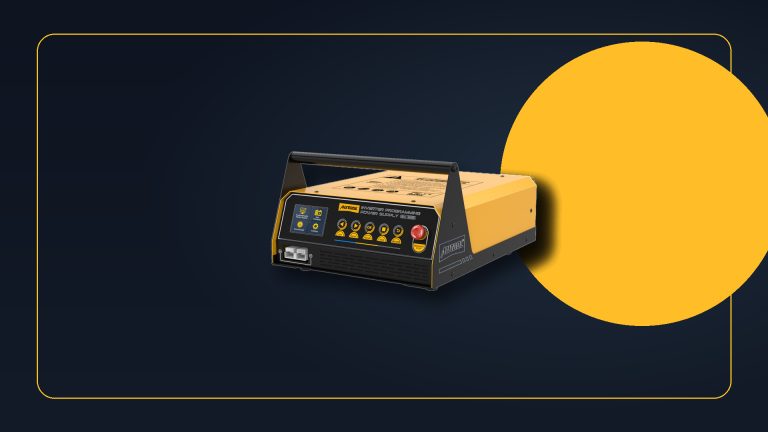
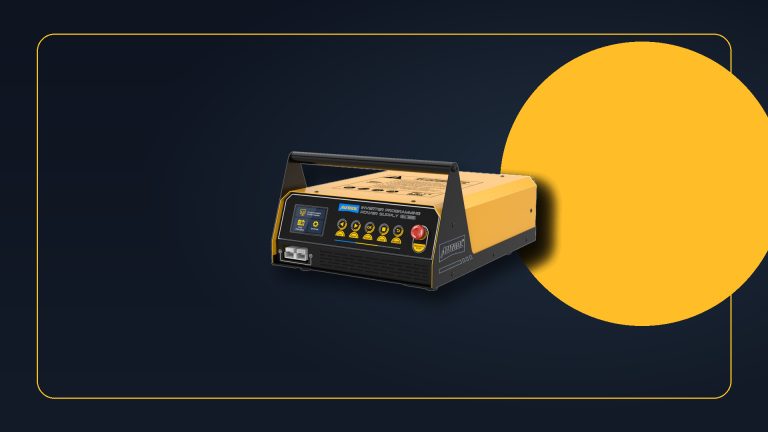
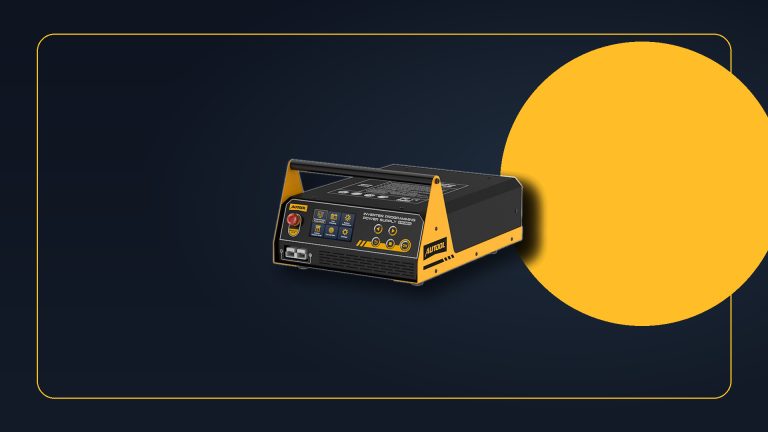
After the plugs are labeled and compared, the AUTOOL SPT360 spark-plug tester can add a controlled bench comparison of firing behavior; it should support, not replace, in-vehicle ignition, compression, and fuel checks.
4. Confirm the cause and reinstall correctly
Correlate the pattern with DTC status, freeze-frame, misfire counters, coil/injector command, fuel trims, compression or leak-down, borescope evidence, oil-use record, and cooling-system findings. A hotter plug is not a repair for oil consumption or fueling; NGK warns that changing heat range can reduce the pre-ignition margin.
Close the loop
Install only the exact approved plug, gap policy, seal, and torque procedure. Reconnect labeled coils and hoses, clear codes only after saving evidence, and reproduce the original complaint while monitoring misfire data.
Official references
Use these sources for the principles in this guide, then use the owner’s manual and current service information for your exact vehicle.
- NGK: How Do I Read a Spark Plug? (ngksparkplugs.com)
- NGK: Spark Plug Basics (ngksparkplugs.com)
The useful outcome
You should finish with a labeled cylinder pattern, accurate visual descriptions, and a confirming test for the most likely branch. The plug is valuable evidence when it stays connected to its cylinder and operating history; an unlabeled close-up is mostly decoration.



Comments 0
Questions, fixes, and real-world diagnostic notes from readers.
Be the first to share a diagnostic result or ask a follow-up question.