
Used-Car Pre-Purchase Inspection: A Decision-First Checklist

A pre-purchase inspection is a risk-reduction process, not a treasure hunt for cosmetic flaws. Verify the VIN and paperwork before traveling, preserve cold-start and road-test evidence, and make the deal contingent on an independent mechanic’s written findings whenever the seller allows it.
What to do first
- A vehicle-history report is useful, but the FTC says it is not a substitute for an independent vehicle inspection.
- Check the VIN through an approved NMVTIS provider and NHTSA’s recall lookup; match it on the dashboard, door label, title, and sales documents.
- Ask the inspector for a written report and estimated repair costs. Convert safety issues, near-term maintenance, and unresolved warnings into conditions of sale—or walk away.
In this guide

1. Screen the vehicle before you travel
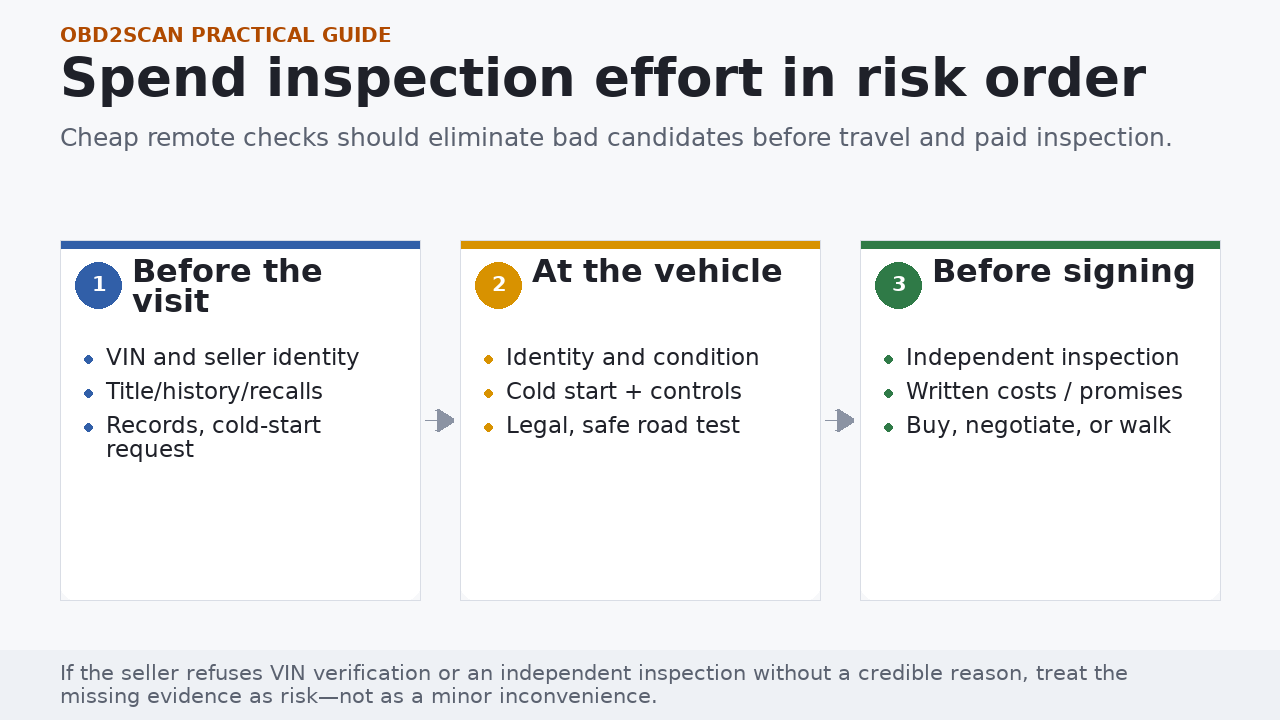
- Request the full VIN, clear ownership/seller identity, asking price, mileage, title status, service records, warning-light photos with ignition on and engine running, and disclosure of known damage.
- Use NHTSA’s VIN lookup for unrepaired safety recalls and VehicleHistory.gov to reach approved NMVTIS data providers for title, odometer, brand, junk, salvage, and total-loss records.
- Ask the seller not to warm the vehicle before the appointment unless weather or logistics make that impractical; cold-start behavior is valuable evidence.
- Arrange an independent shop and agree in writing who pays, where the vehicle may be taken, and what happens if material findings appear.
A clean report is not a clean car
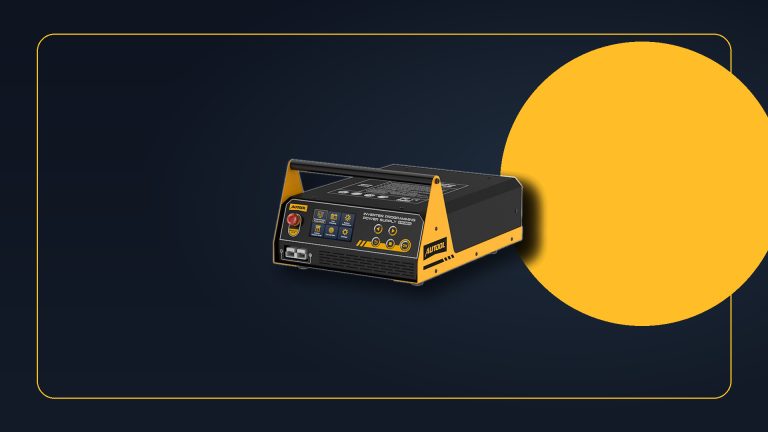
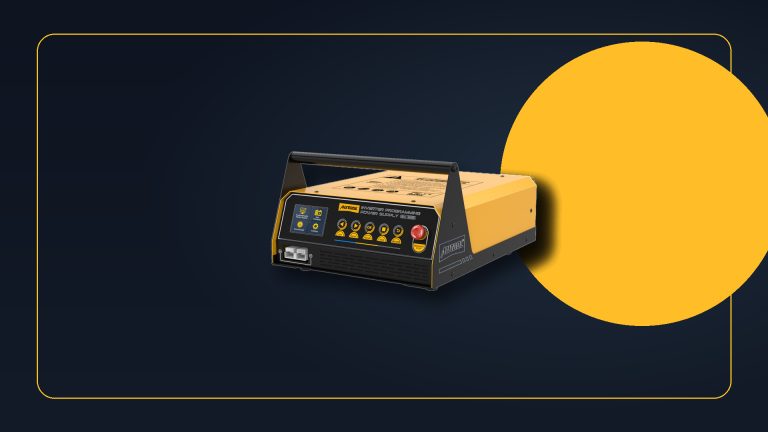
Some repairs, damage, deferred maintenance, use conditions, and emerging faults may never reach a history database. Verify the physical vehicle and its records. As one part of the identity and history check, the AUTOOL CS310 used-car odometer reader can compare stored odometer information across supported modules, but any mismatch still needs records and physical evidence before it is treated as tampering.
2. Inspect identity and condition in person
- Match every accessible VIN and the title/sales documents. Look for altered labels, inconsistent rivets, unexplained plate changes, or paperwork that does not match the seller.
- Walk around in even light. Compare panel gaps, paint texture, glass dates where meaningful, tire identity and wear, lamp condition, underbody sight lines, odors, water tracks, and wear versus claimed mileage.
- Before starting, check fluid levels only as the vehicle manual permits. With the ignition on, confirm relevant warning lamps illuminate for their self-check; after starting, note which remain.
- Record cranking time, noises, smoke/condensation context, idle stability, HVAC/electrical operation, instrument messages, and scan evidence without clearing codes.
Do not turn a seller's driveway into a repair bay
Do not crawl under an unsupported vehicle, perform hazardous maneuvers, dismantle parts, or erase codes. Conditions needing a lift, pressure test, high-voltage procedure, or invasive test belong in the independent inspection.
3. Use a safe road test and independent inspection
Drive only with permission, insurance, registration, and a safe legal route. Include low-speed steering, moderate acceleration, steady cruise, coast, braking, reverse, parking maneuvers, and a restart where safe. Record speed and condition for pull, vibration, shift concerns, warnings, temperature changes, or noise.
The FTC recommends an independent mechanical inspection even when the vehicle is certified or sold with a warranty. Ask for a written report with estimated repair costs. A useful scope covers structure/previous repair, tires and brakes, suspension/steering, leaks, cooling, starting/charging, scan and readiness state, road-test behavior, maintenance due, and model-specific concerns.
4. Convert findings into buy, negotiate, or walk away
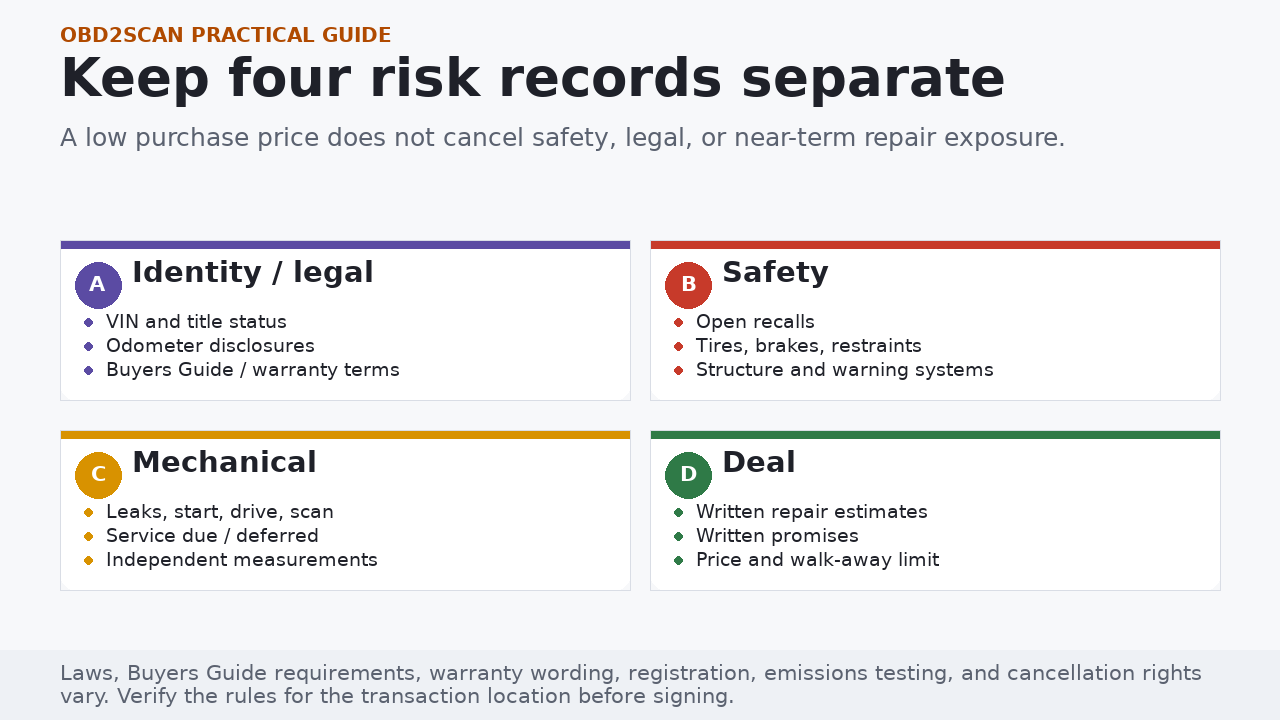
| Finding | Decision treatment |
|---|---|
| Safety, structure, title, VIN, odometer, or seller inconsistency | Resolve with authoritative evidence before proceeding; unresolved high-consequence issues are strong walk-away reasons. |
| Open recall | Confirm remedy availability and timing with the manufacturer/dealer; price alone does not close the safety issue. |
| Near-term maintenance or measured repair | Use a written estimate and timing, then adjust the deal only if you accept the disruption and residual risk. |
| Seller promise | Put the exact repair, part, deadline, payer, and remedy in the signed documents; oral assurance is not an inspection result. |
At a dealer, read the FTC Buyers Guide and contract together, including whether the vehicle is sold as-is or with a warranty. Do not assume a universal cooling-off or return period. State law and transaction type matter, so verify local requirements before signing.
Keep the unknowns visible
A deal is not ready because the checklist has many green marks. One unresolved title, structural, braking, overheating, or seller-integrity problem can outweigh dozens of working convenience features.
Official references
Use these sources for the principles in this guide, then use the owner’s manual and current service information for your exact vehicle.
- FTC: Buying a Used Car From a Dealer (consumer.ftc.gov)
- NHTSA: Check for Recalls (nhtsa.gov)
- NMVTIS: VehicleHistory.gov (vehiclehistory.bja.ojp.gov)
The useful outcome
You should reach the signature stage with verified identity, documented legal and safety checks, a reproducible drive record, an independent written inspection, and a priced list of remaining risks. If any high-consequence unknown remains, the correct result may be no purchase.


Comments 0
Questions, fixes, and real-world diagnostic notes from readers.
Be the first to share a diagnostic result or ask a follow-up question.