
2012 VW Golf 6 No-Crank: Redundant P/N Signal Disagreement Led to Mechatronic Replacement

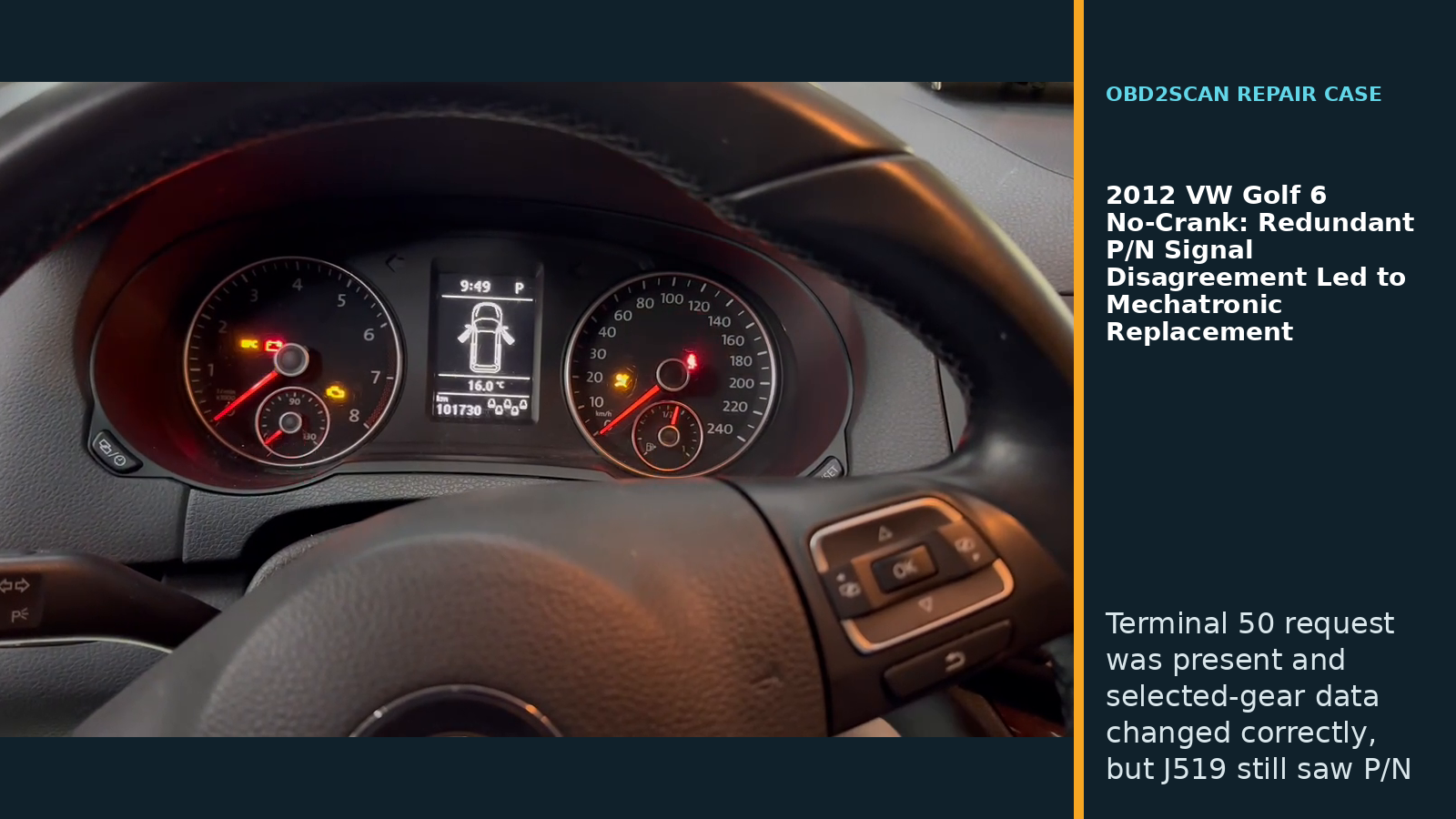
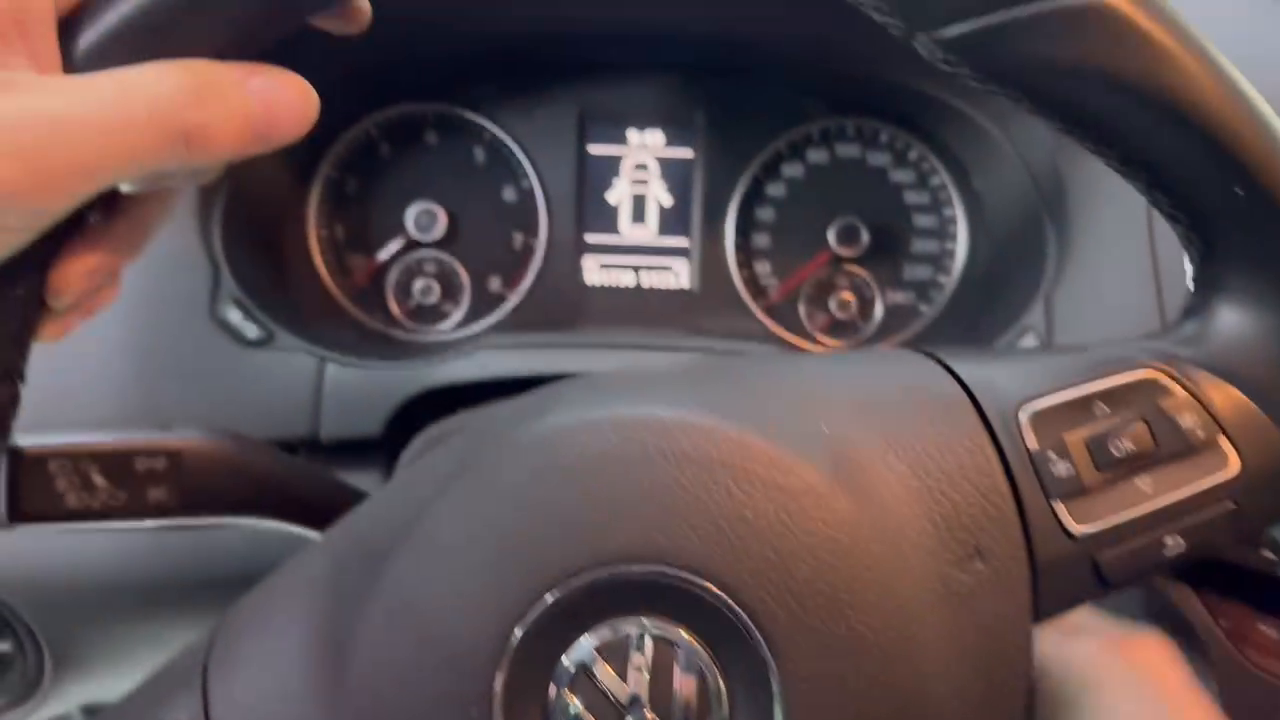
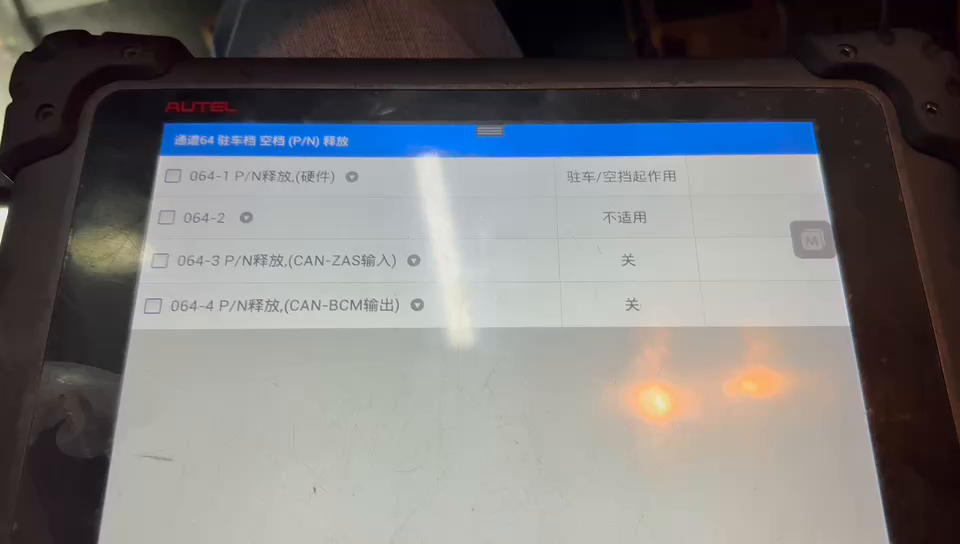
A 2012 Volkswagen Golf 6 with a CFBA direct-injection engine and seven-speed DSG would not crank. Its gear display flashed and the cluster asked the driver to select P or N even when the lever was already there; mileage is not reported. The battery measured 12.60 V and the start request at terminal 50 was present. Scan data showed the lever position changing correctly, but a separate P/N authorization channel stayed “not selected,” while its wire remained at 11.70 V in every gear. The workshop traced that disagreement to the transmission mechatronic, replaced the unit, and a second video records a successful engine start.
Case at a glance
| Step | Finding |
|---|---|
| Complaint | No crank; flashing gear indication; “select P/N” message |
| Basic supply | Battery recorded at 12.60 V |
| Start intent | Terminal 50 request present |
| Lever data | Selected gear followed lever movement |
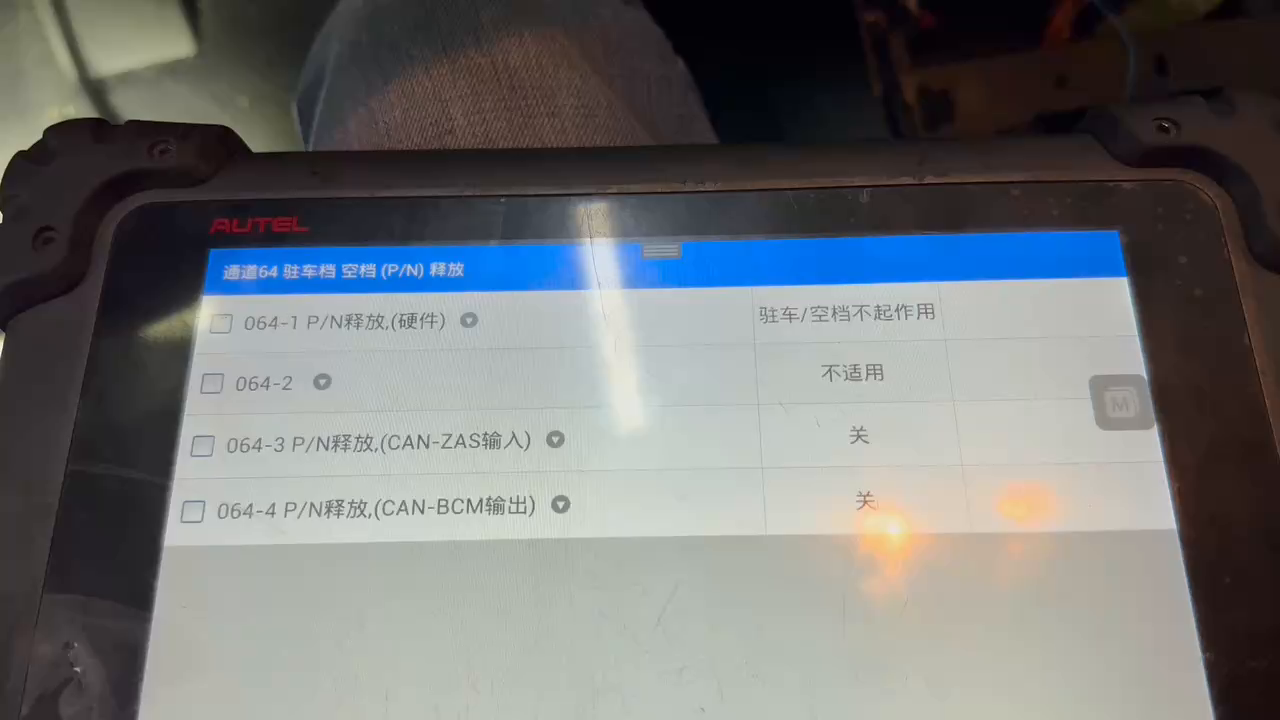
| Safety authorization | Redundant P/N state stayed false; circuit held 11.70 V in all positions |
| Outcome | Mechatronic replaced; engine then started |
The car heard the start request but withheld permission
This was not simply a weak-battery presentation. The recorded 12.60 V did not prove voltage would remain healthy under load, but it made a discharged resting battery less persuasive. More importantly, the controller saw a terminal 50 start request while the starter remained inhibited. The cluster explained why: the vehicle did not accept that the gearbox was safely in Park or Neutral.
Two position reports disagreed inside the same start sequence
The useful evidence came from comparing data channels rather than trusting one display. The selector’s chosen-gear value changed correctly as the lever moved. At the same time, J519—the vehicle electrical control module—continued to read the redundant P/N authorization as not engaged.
Redundancy is intentional. A vehicle should not crank from an unsafe gear merely because one message says “P.” When one channel follows the lever and the independent safety path does not, the diagnosis shifts away from a completely dead selector and toward the second signal’s circuit, source or interpretation.
The 11.70-volt line localized the disagreement
The workshop checked the line between J519 connector T52c pin 30 and transmission connector T25 pin 16. In the source case, it stayed at 11.70 V in P, R, N and D. The expected logic described for this test was low in P/N and approximately system voltage outside P/N. A value that never changed matched the scan-tool report that neutral authorization never became true.
That circuit check can be performed with a suitable automotive meter such as the AUTOOL DM303, using the meter only for the voltage/continuity task and the correct Volkswagen wiring diagram for pin identity. Back-probing must not spread terminals or short adjacent pins. An unloaded voltage alone can also mislead, so connector condition, wiring integrity and the specified test state still matter.
The key point was not “11.70 V means replace a gearbox computer.” It was that the line contradicted the selected-gear data in exactly the way the no-crank safety logic reported.
Mechatronic replacement addressed the signal source
With start intent present, lever selection correctly represented and the separate P/N output fixed high across every gear, the source concluded that the transmission-control/mechatronic assembly was not switching the authorization path correctly. The recorded repair was replacement of that mechatronic unit.
This is a major transmission repair, not a pin-by-pin DIY instruction. DSG type, fluid procedure, tightening sequence, coding, basic settings and clutch adaptation must match the exact unit. The source does not document those steps, so none is borrowed from a different gearbox. A wiring open, connector fault or J519 input problem could also create a disagreement on another vehicle and must be excluded before copying the parts decision.
A separate post-repair clip supplied the strongest check
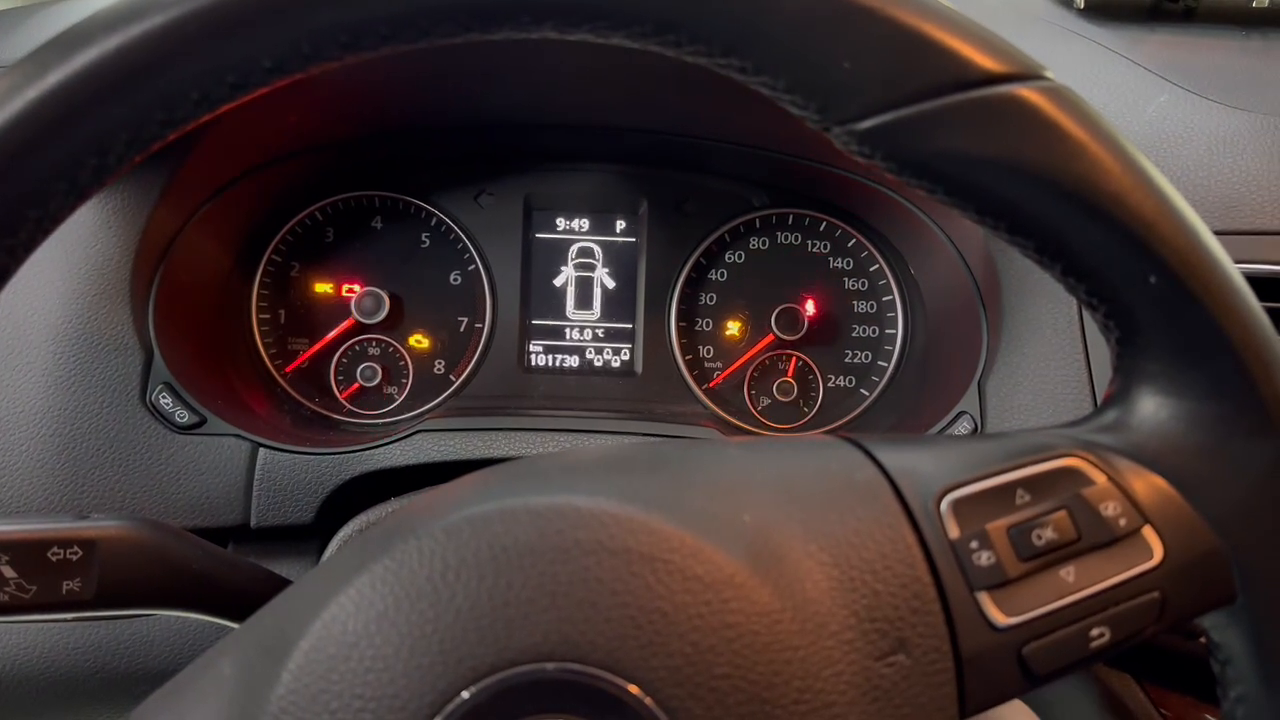
The package contains two independent videos rather than one clip cut into “before” and “after.” The second begins with post-repair diagnostic context and then records the cluster through an actual start.
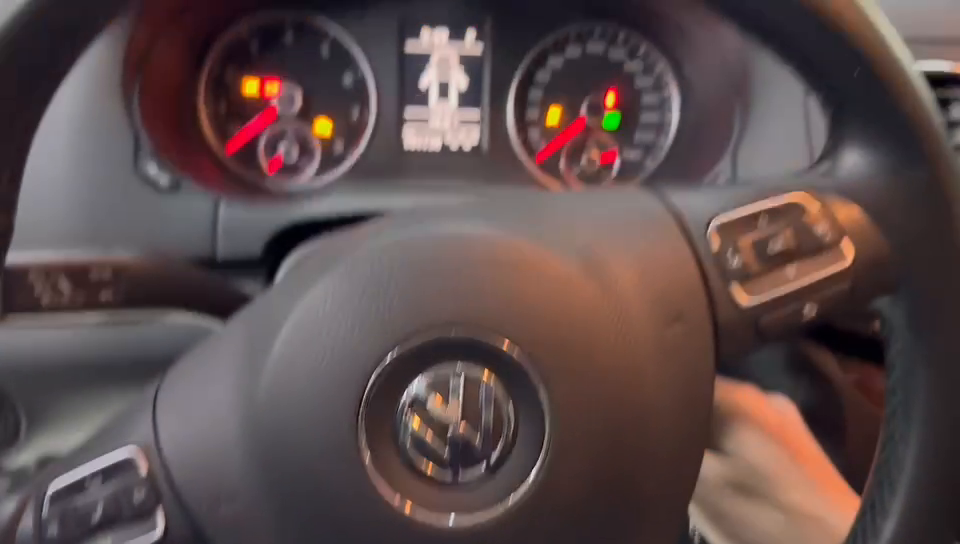
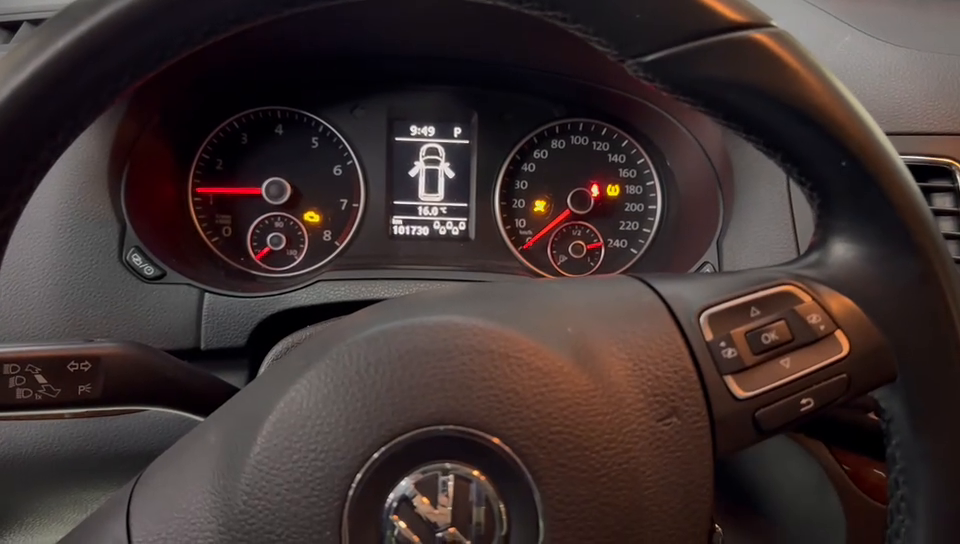
For a comparable Golf, follow the disagreement: confirm battery condition under the relevant load, preserve start-request data, compare selected gear with the independent P/N authorization, and test the circuit at both ends using the correct diagram. This case supports a mechatronic conclusion only when those channels fail in the same pattern. The published verification proves the original engine-start function returned; it does not document long-term DSG behavior or a road-test distance.



Comments 0
Questions, fixes, and real-world diagnostic notes from readers.
Be the first to share a diagnostic result or ask a follow-up question.