
BMW 523 No Cabin Airflow: LIN Control Separated from a Failed Blower Motor

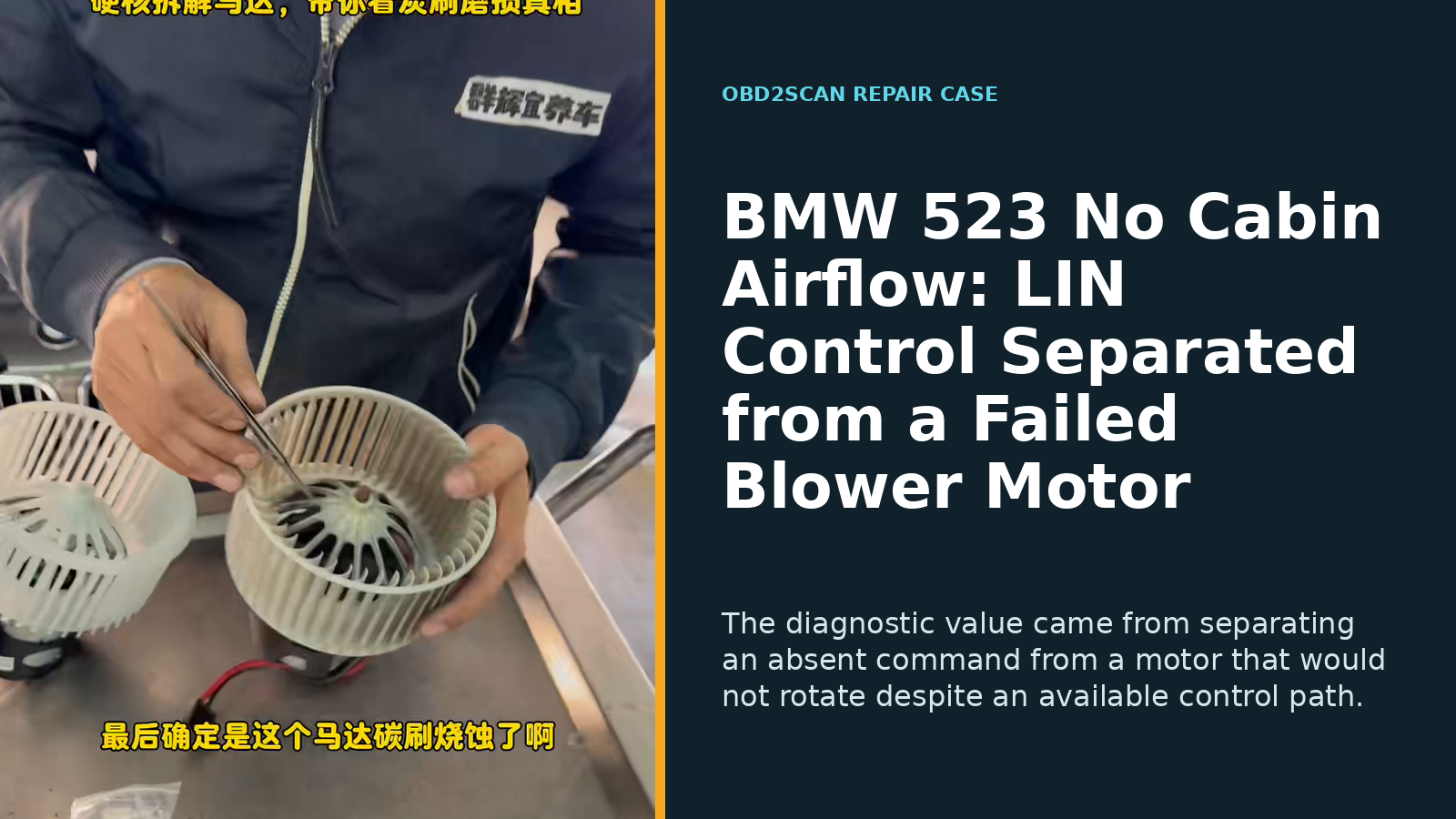
The climate panel on a BMW 523 F18 lit up and accepted fan-speed changes, yet no air came through the vents. The source does not state the year, engine or mileage. Instead of treating an active panel as proof that the whole HVAC electrical path was healthy, the workshop separated command, power, ground and the motor itself. The blower was found failed or mechanically stuck, then replaced; the source reports that airflow returned and the repaired system was checked for air delivery and abnormal noise.
Case at a glance
| Item | Recorded result |
|---|---|
| Vehicle | BMW 523, F18 chassis |
| Driver complaint | Climate controls worked but the vents delivered no air |
| Deciding distinction | Available control path versus a motor that did not rotate |
| Confirmed failure | Blower motor failed or mechanically stuck |
| Work completed | Blower replacement; intake/filter attention described with the repair |
| Finish check | Airflow restored and blower noise checked |
The panel was alive; the air path was not
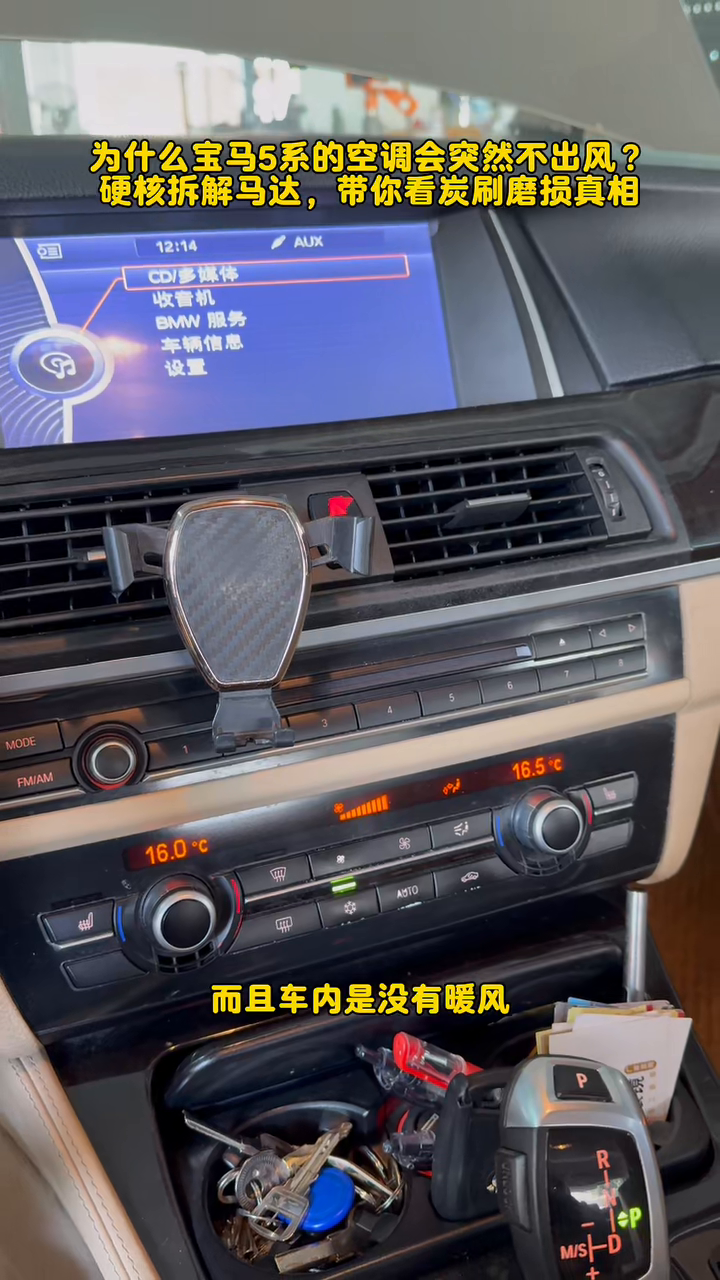
The opening symptom is easy to misread. Illuminated buttons only show that the control panel can wake up and respond to the driver. They do not show that the blower has a usable feed, a sound ground, valid LIN communication or a motor able to turn.
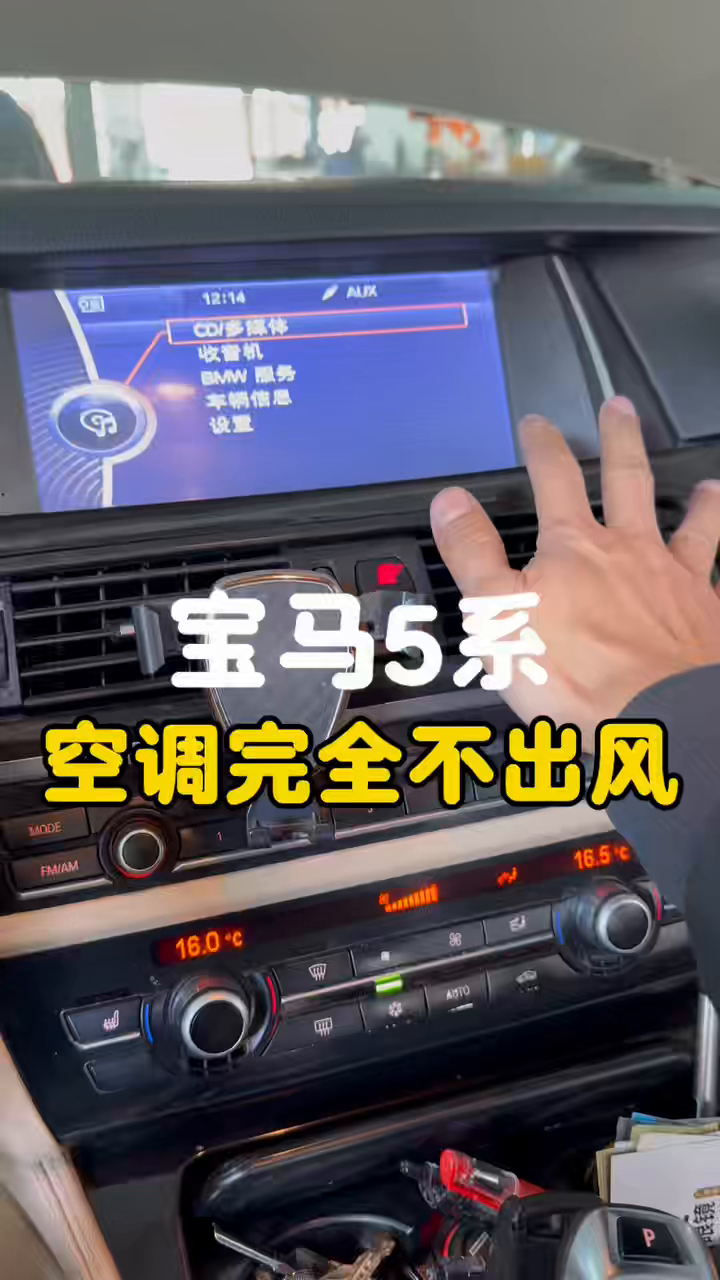
Before removing trim on a similar F18, change the fan request through several steps and listen near the blower. A dead-silent motor, an intermittent start, scraping, or speed that never follows the request leads to different tests. Also check whether airflow is truly absent rather than merely weak from a blocked cabin filter or closed distribution flap.
Four separate checks prevented a control-panel guess
This case is clearest when the blower circuit is divided into four questions:
- Does the HVAC controller request blower operation?
- Does battery power reach the blower electronics under load?
- Can the circuit return current through a sound ground?
- Can the motor and fan wheel rotate without an internal electrical or mechanical fault?
LIN is the low-speed communication line used to tell the blower electronics what output is wanted. Seeing a LIN-related path in the system does not mean a code automatically condemns the motor. A technician normally compares the requested fan speed with the motor response, verifies power and ground at the correct connector, then evaluates communication if those fundamentals are present. The source supports that separation but does not publish exact voltages, waveform captures or current draw.
The removed assemblies shifted attention to the motor
Once the control side had been considered separately, the blower could be inspected as a load. Comparing the removed unit with its replacement makes the repair target visible without pretending that appearance alone proved the failure.
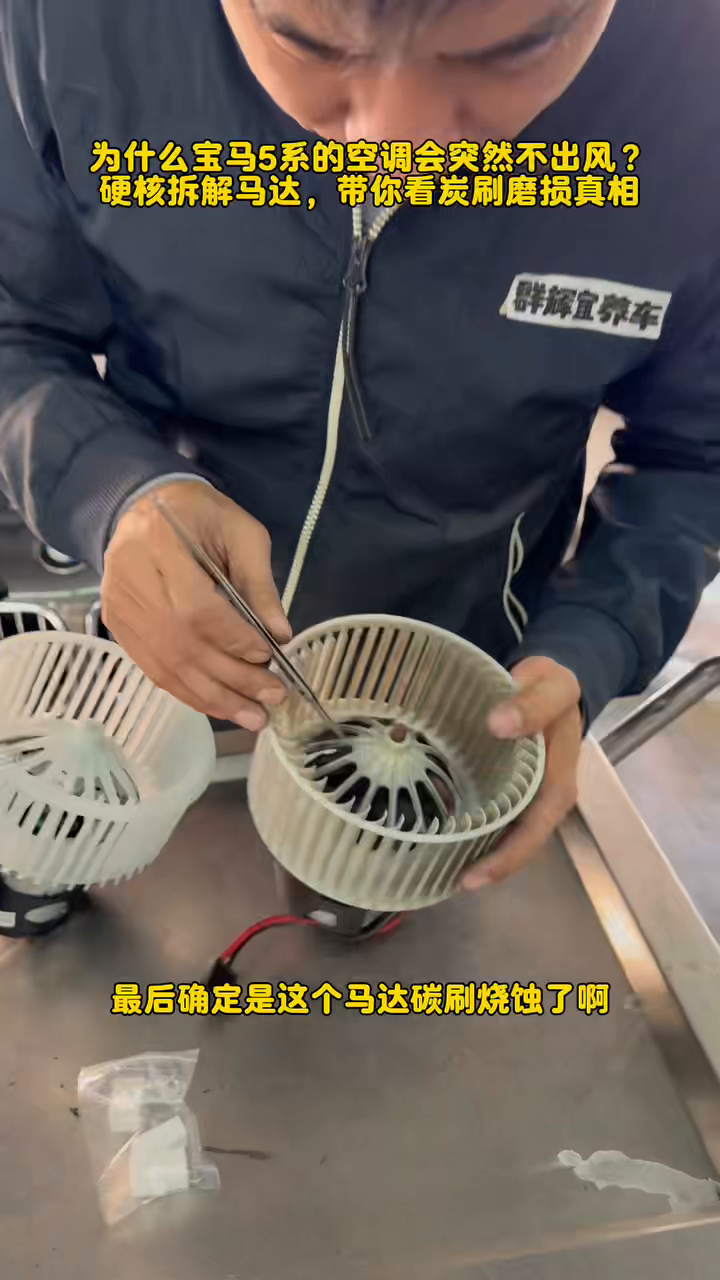
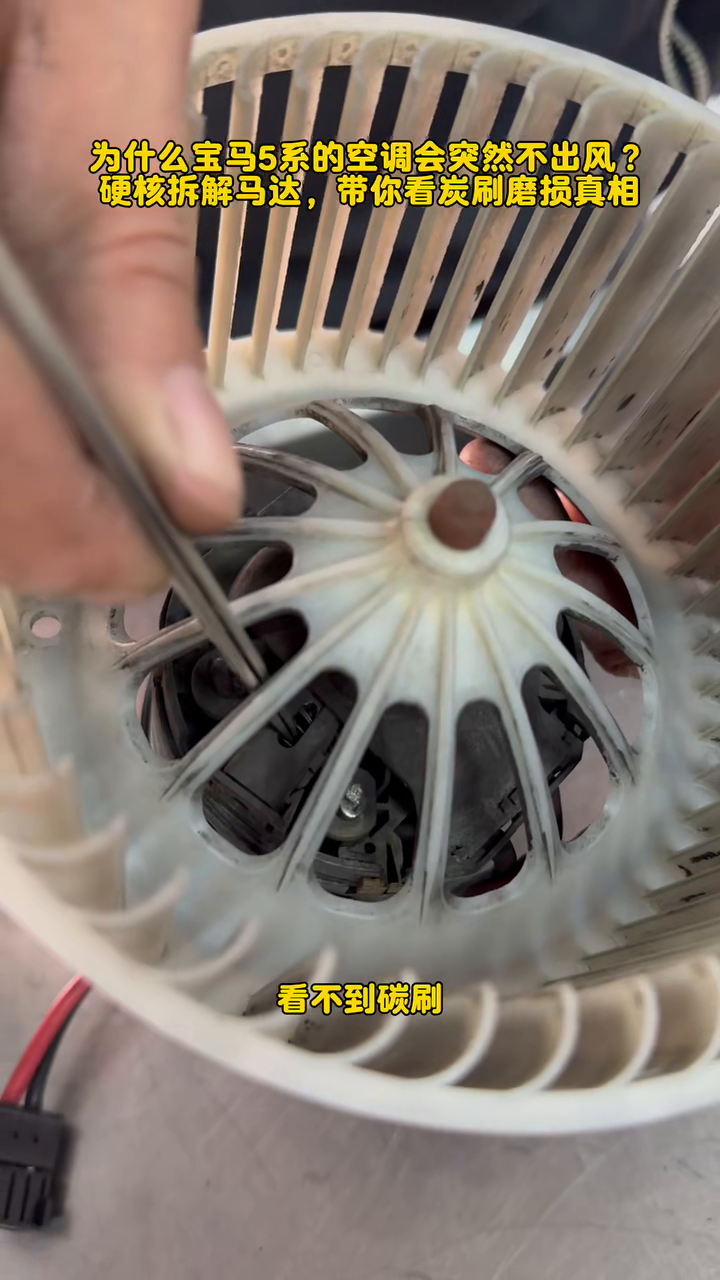
The source describes the blower as failed or mechanically stuck. That is stronger than “the climate system had a fault,” but it still leaves the exact internal failure mode unreported. Worn brushes, seized bearings and damaged electronics are possible mechanisms; none should be assigned to this car without a documented observation.
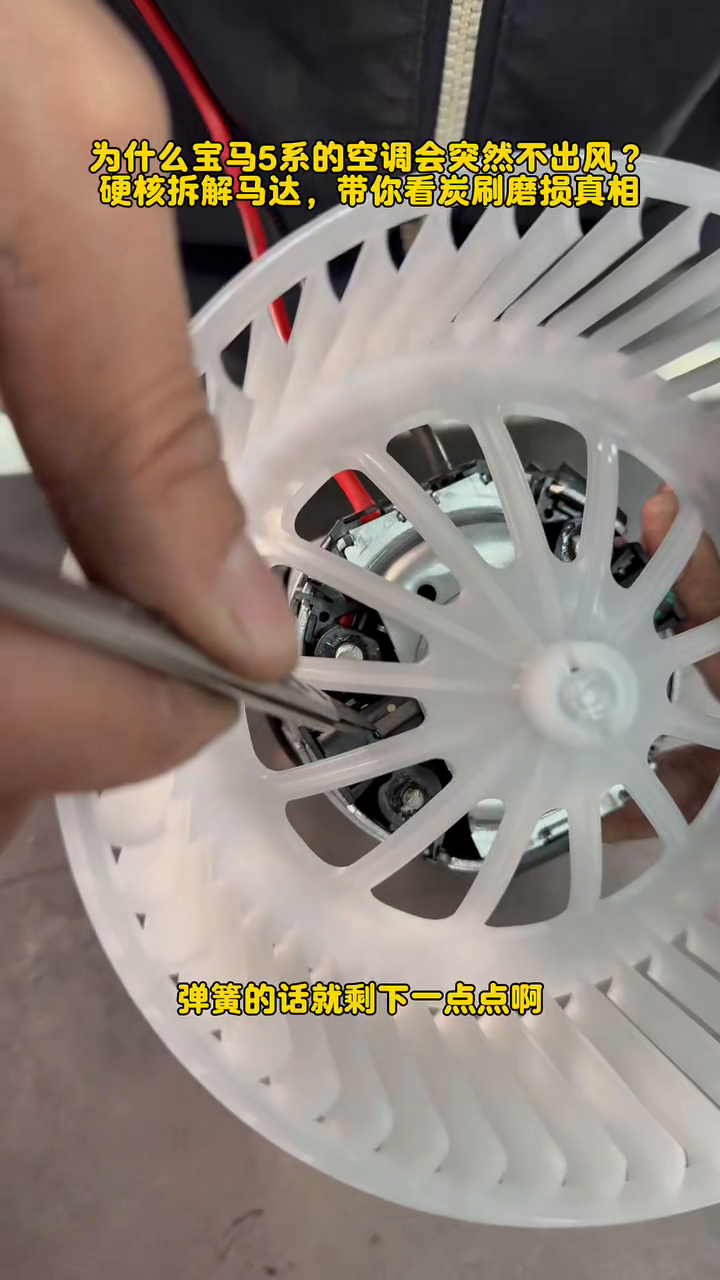
Replacement included the housing and intake details
The workshop replaced the blower motor. The source also describes intake or filter service as associated preparation, which is sensible because debris left above a new wheel can create noise, imbalance or an early repeat problem. Before installation, inspect the housing, remove loose contamination without pushing it deeper into the ducts, verify that the wheel turns freely, and seat seals and connectors as designed.
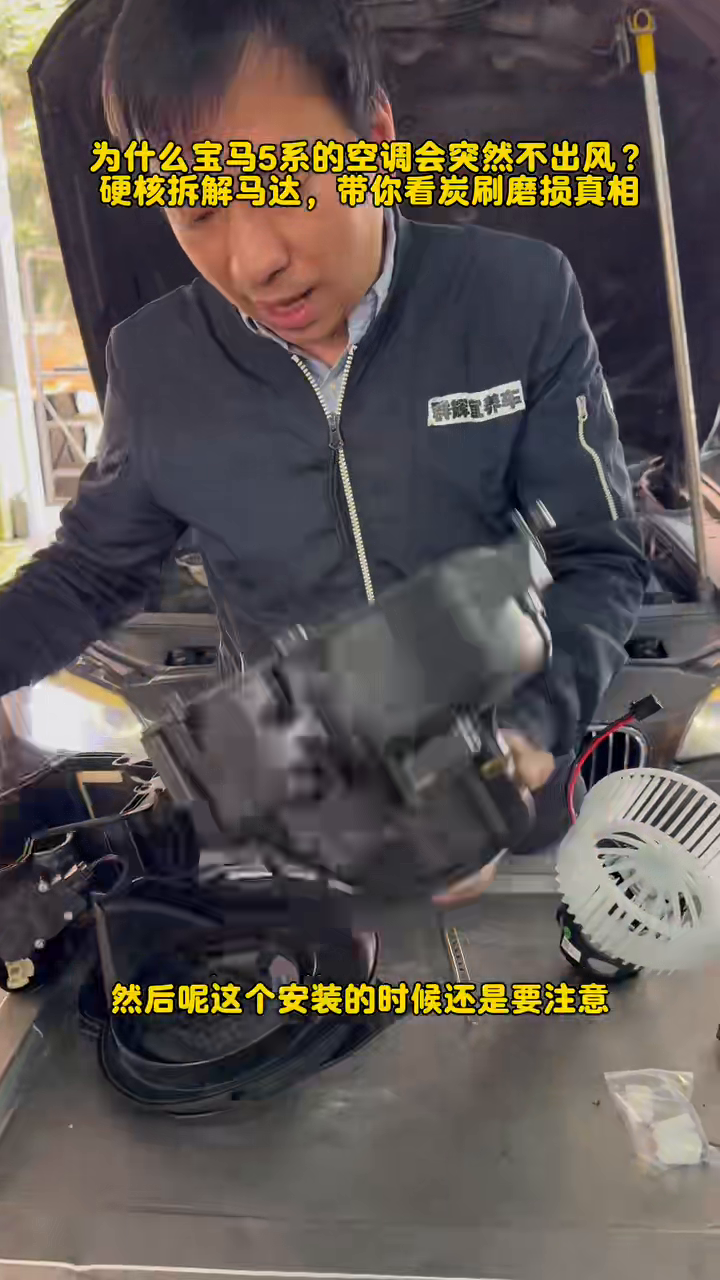
The source does not provide trim-removal order, fastener values or connector pin assignments. Those belong to the exact F18 configuration and current BMW repair information; they are not filled in from another model.
The finish line was air movement, speed response and sound
After installation, airflow returned. A useful closing check runs the blower from low to high, confirms that output changes with the command, listens for wheel contact or vibration, and checks the disturbed housing for a leak or loose fit. The source reports airflow/noise verification but no measured flow rate or long road test, so this is a static functional result.
If another BMW has an active panel and dead vents, use this case as an order of questions, not a blower purchase instruction. Prove the request, loaded feed and ground; distinguish communication from motor response; then inspect the wheel. If power, ground or command is missing, the diagnosis stays upstream. If all arrive and the motor cannot operate, the evidence supports moving the repair boundary to the blower.


Comments 0
Questions, fixes, and real-world diagnostic notes from readers.
Be the first to share a diagnostic result or ask a follow-up question.