
2003 Ford F-350 Keeps Aerating Its Fuel: Why a Bench Pass Did Not Close the Case

Quick answer: A component can pass an off-vehicle test while an installed-system problem remains. Compare what the test covered with the conditions in which the engine fails.
Diesel fuel-system diagnosis belongs with trained personnel. Do not open operating fuel lines, improvise an air-pressure test or place an inspection probe inside a running engine.
When access limits a safe visual check, an articulating camera such as the AUTOOL SVB308 can help record an accessible hidden area with the engine disabled and cool. Images preserve a clue; they do not measure fuel aeration or establish an injector’s internal condition.
In this guide
Ask what the bench test covered
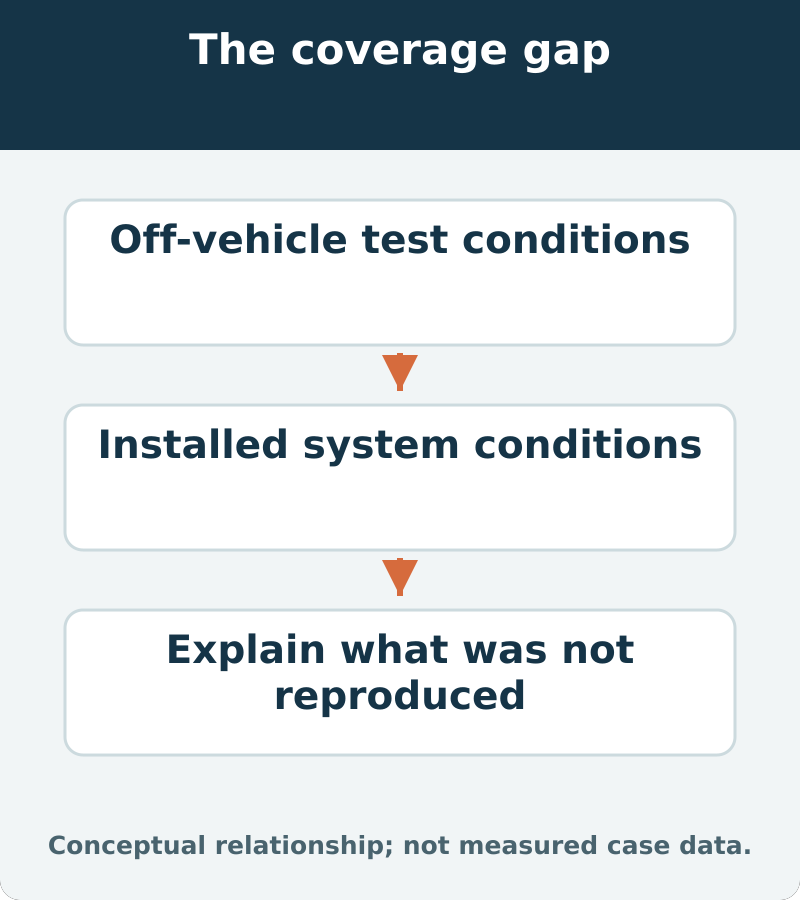
“The injectors passed” is a useful starting point. The next question is what was tested, under which conditions, and with what acceptance criteria. A testing specialist can give a valid result for the work commissioned without having recreated every interaction that occurs in the truck.
Ask for the report rather than asking another shop to overrule it from memory. Component identity, the tests performed and any limitations help the next technician decide whether to rely on the result, request an additional test or investigate something outside its scope. This is a coverage discussion, not evidence that a competent diesel shop must have made a mistake.
Why the installed system remained suspect
ALLDATA’s F-350 account concerns a 2003 6.0L diesel that stalled as fuel aeration returned despite supply-side work. Removed injectors passed testing. Contribution information redirected inspection; one tip looked different. Replacing that bank’s injectors was followed by normal running without aeration on the road test. The report does not isolate a single failed internal part.
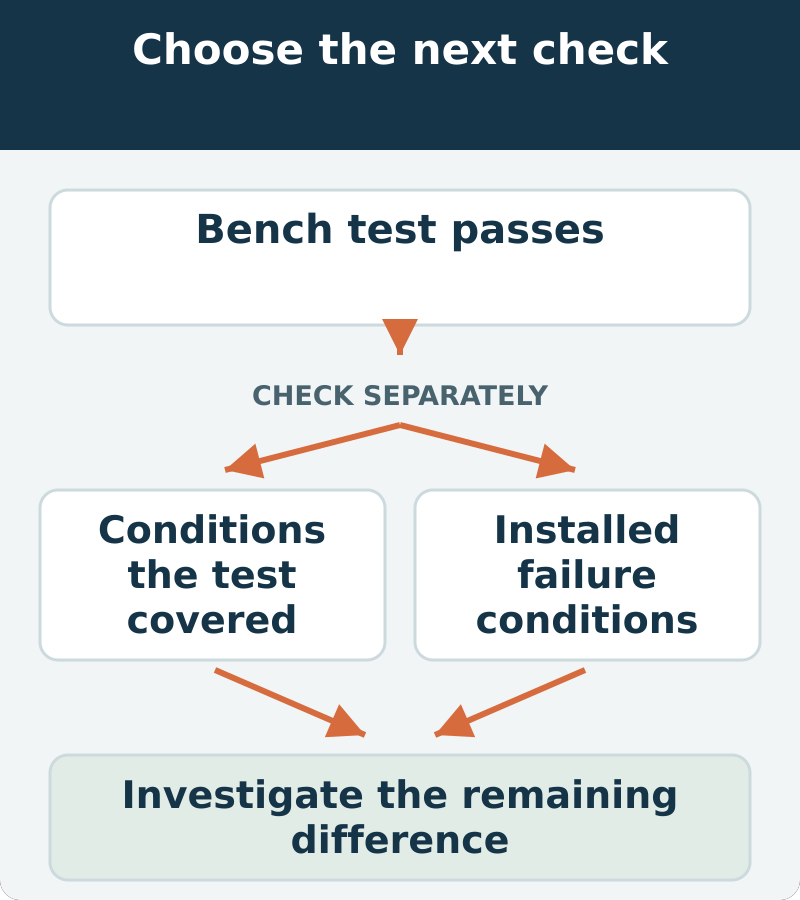
The important mismatch is between a satisfactory component-test result and an unresolved installed complaint. Both observations can be true. Once that mismatch is recognized, another round of identical off-vehicle testing may be less useful than identifying which real operating conditions and system relationships have not yet been evaluated.
Use contribution data to focus inspection
Contribution information concerns how cylinders participate in engine operation under the conditions of the assessment. Its practical value is in narrowing attention. It does not automatically identify which component, connection or internal process caused a cylinder to contribute differently.
For the owner, the useful request is a chain of reasoning: which observation focused the inspection, what was then found, and what further evidence supported the repair? That makes a diagnostic charge understandable without demanding raw traces you cannot interpret. It also prevents a cylinder label on a screen from becoming an automatic authorization to replace everything associated with that cylinder.
A visual difference is a clue, not a verdict
A photograph can make a comparison easier to revisit. It can show that two visible surfaces differed when inspected. It cannot independently establish the cause of that difference, when it developed or how a hidden mechanism behaved in service. Lighting, access and the part of the component visible also affect the comparison.
Treat the image as one entry in the evidence record. Ask how it agrees with the operating observations and which alternative explanations remain. A useful repair discussion combines the visual clue with the diagnostic context. It does not turn an unusual-looking injector tip into a universal picture guide for condemning other injectors.
Separate replacement scope from certainty
An intervention that changes several components can succeed without identifying exactly which individual change was decisive. That distinction matters when a substantial estimate arrives. The scope may reflect access, part availability, the condition of related components or another stated reason; the estimate should explain which reasons actually apply to your truck.
Ask three separate questions: What is supported as faulty? What else is proposed for replacement? Why is that additional work justified? A bank-level success in a published case does not answer all three. You can accept a broader repair when its rationale is clear without pretending that every removed component has been independently proven defective.
What to document if aeration returns
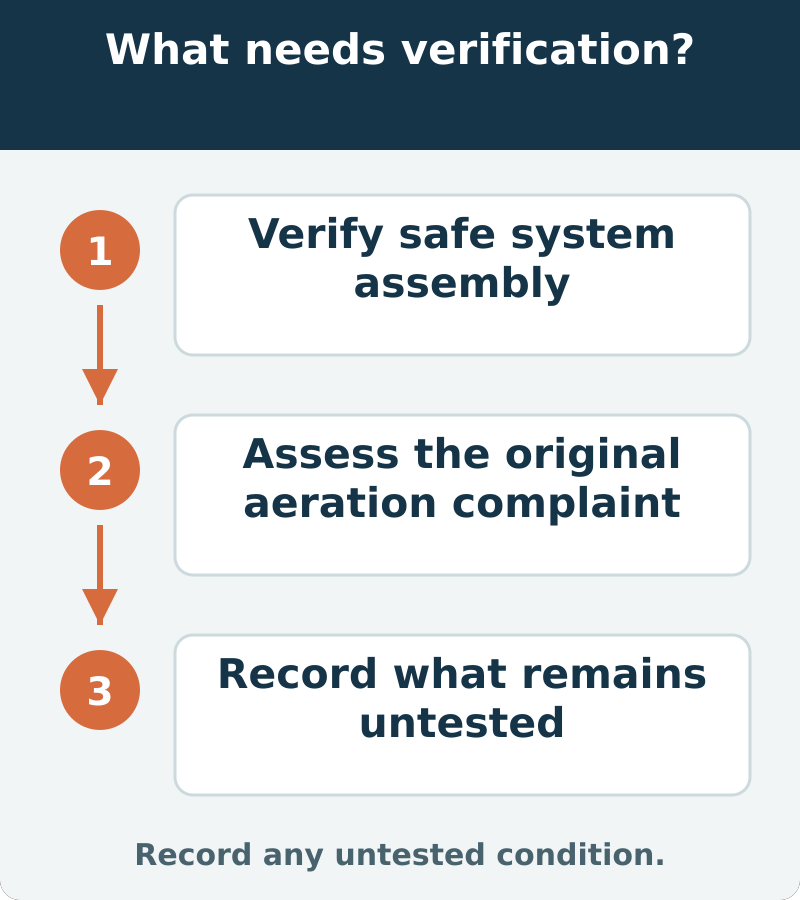
Keep the original test report, the component identities and the workshop’s description of the checks completed after repair. The record should distinguish an observed result from an expected one. If a check was not performed, a blank is more useful than a reassuring phrase that suggests it was.
If stalling or the original complaint returns, stop safely and arrange assessment rather than opening the system yourself. Report the circumstances and any new symptoms. The next investigation should start with the evidence already obtained and the conditions still uncovered—not with a blanket assumption that either the bench test or the previous repair must have been worthless.









Comments 0
Questions, fixes, and real-world diagnostic notes from readers.
Be the first to share a diagnostic result or ask a follow-up question.