
2013 Audi A6L EPC and Misfire Under Acceleration: Case-Bounded ECU Repair

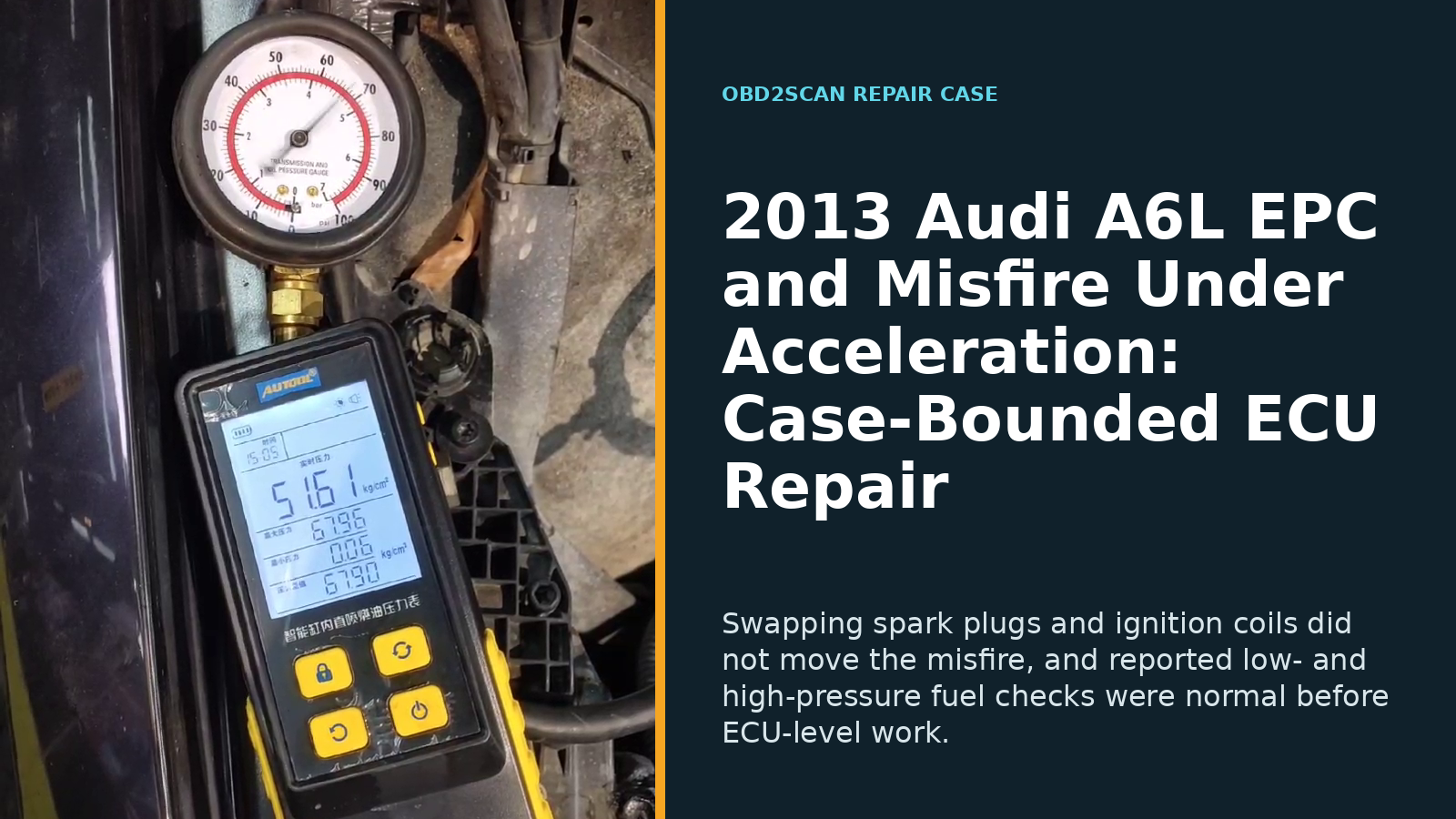
A 2013 Audi A6L lost power while overtaking, illuminated the EPC warning and then shook as the engine misfired. Mileage and engine code are not given in the source. Fault memory included P0300, P0303, P0305 and P130A. Moving spark plugs and ignition coils did not move the cylinder pattern, and the workshop reported normal low- and high-pressure fuel checks. For this vehicle, the remaining investigation confirmed an internal engine-control-unit fault; the ECU was repaired at board level and the source reports normal operation on the subsequent road test.
Case at a glance
| Evidence point | Result on this Audi |
|---|---|
| Trigger | Higher-load acceleration during overtaking |
| Driver-visible state | Weak power, EPC warning, engine shake |
| Stored direction | Random/multiple and cylinder 3/5 misfire records, plus P130A |
| Ignition isolation | Plug and coil swaps did not move the fault |
| Fuel branch | Low- and high-pressure checks reported normal |
| Confirmed repair | Internal ECU work |
| Recheck | Source reports a normal road test |
Load was part of the complaint, not background detail
The fault appeared when the driver asked for acceleration. That matters because an engine can idle acceptably yet fail under cylinder pressure, fuel demand or electrical load. The first task was therefore to preserve codes and freeze-frame data and understand the operating condition, rather than clear the EPC warning and test only at idle.
P0300 describes random or multiple misfire detection; P0303 and P0305 identify cylinders 3 and 5 in the recorded event. P130A commonly accompanies protective cylinder suppression in this diagnostic context. Together they describe what the controller observed. They do not, by themselves, identify a defective ECU.
The misfire stayed put when ignition parts moved
Spark plugs and coils are ordinary first candidates for a load-related misfire. The workshop cross-swapped them and watched whether the fault followed a moved component. It did not. That negative result is the first major narrowing step: if a suspect coil from cylinder 3 moves to another cylinder but the misfire remains assigned to cylinder 3, that coil has not carried the fault with it.
This test only works when positions are recorded, compatible components are moved one variable at a time, and the complaint is reproduced under a controlled condition. It also does not eliminate wiring, compression, injector operation or every ignition-control problem. It simply kept the replacement decision from stopping at the most familiar parts.
Fuel pressure was observed as a changing sequence
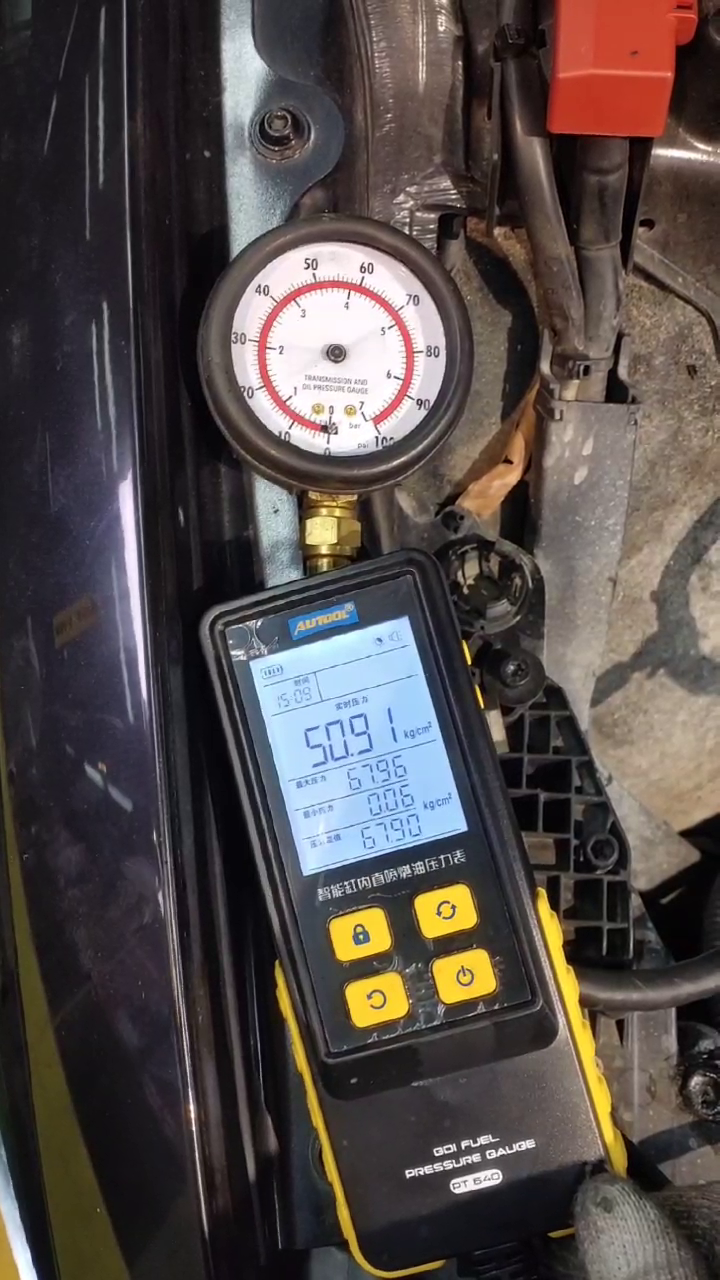
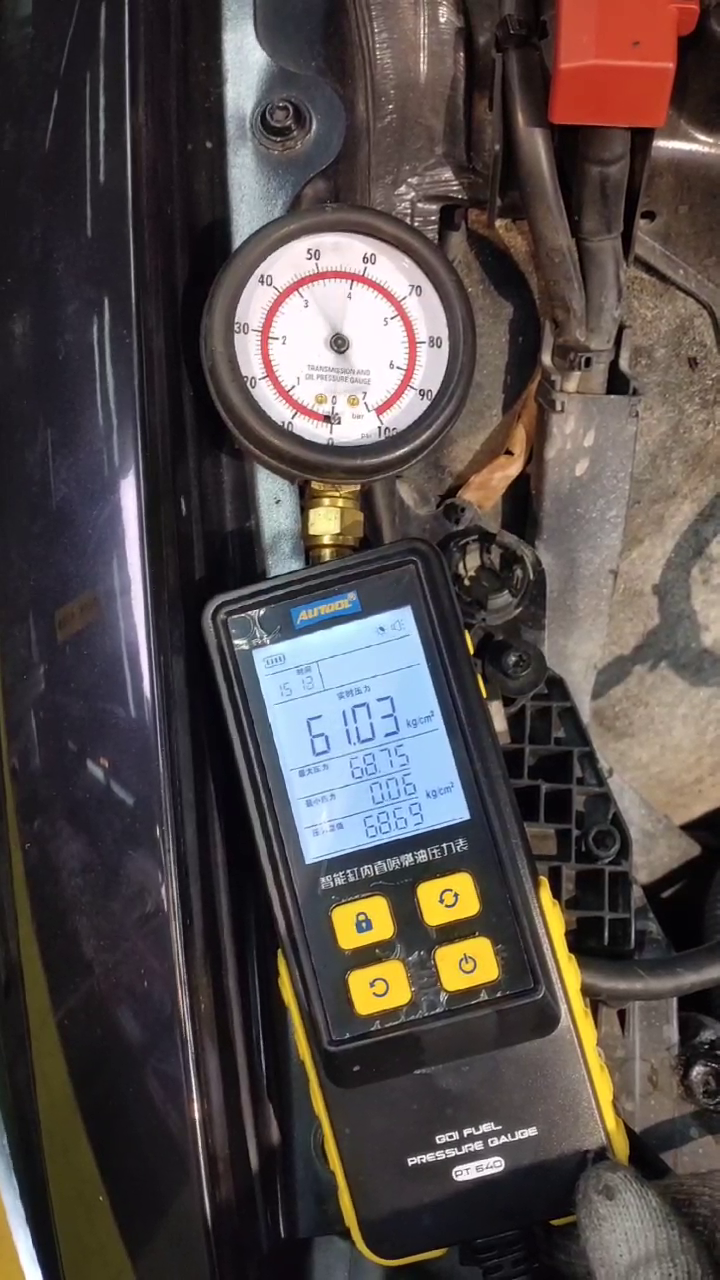
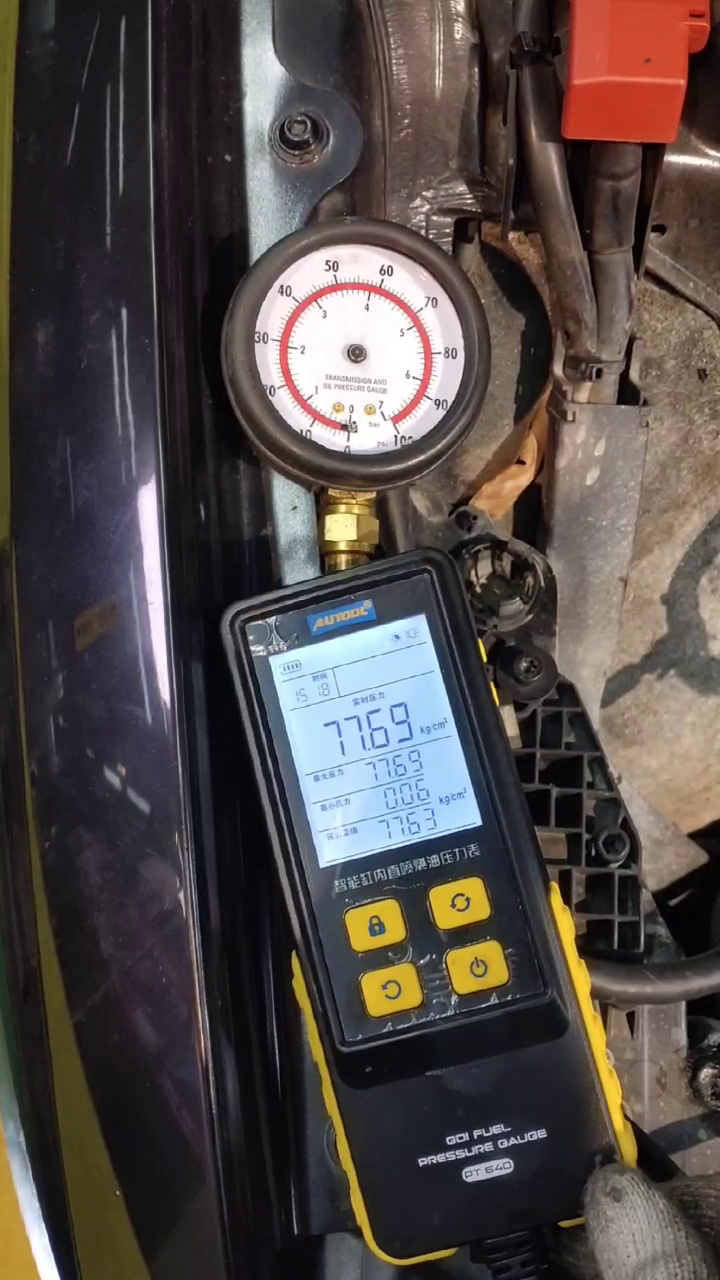
The video concentrates on the fuel test. A gauge and a digital instrument are connected so the supply side can be observed while conditions change.
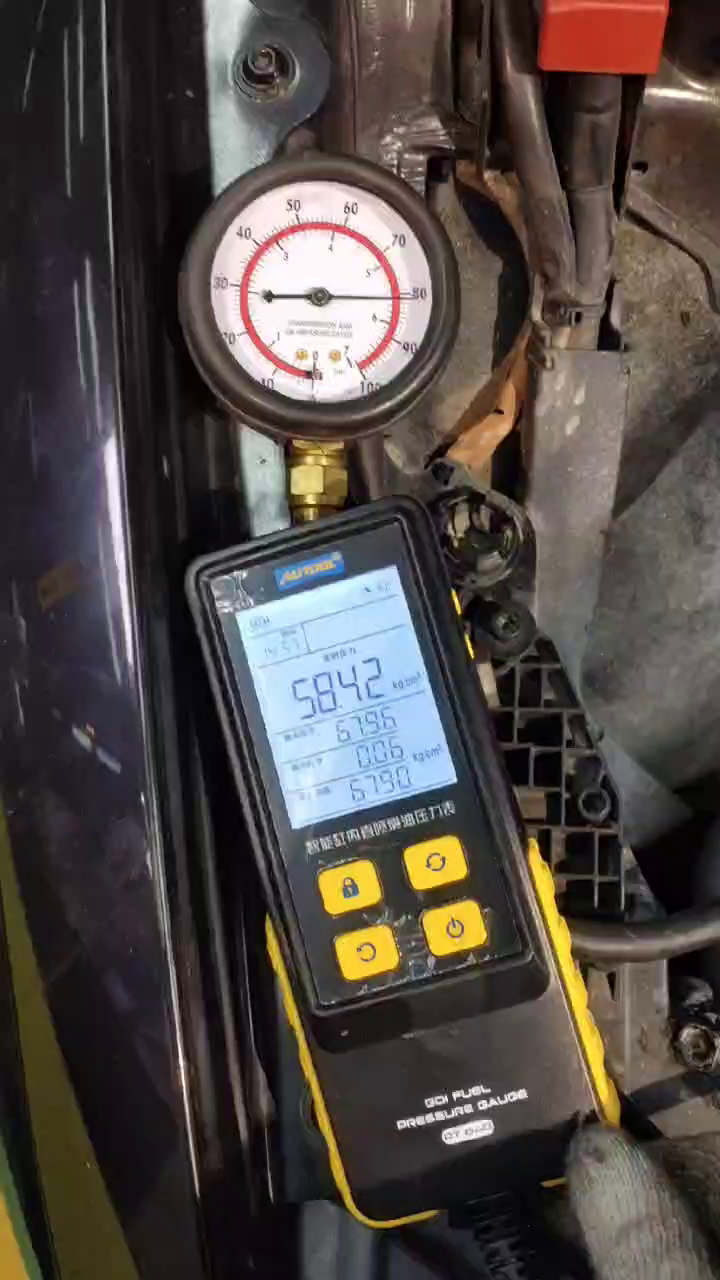
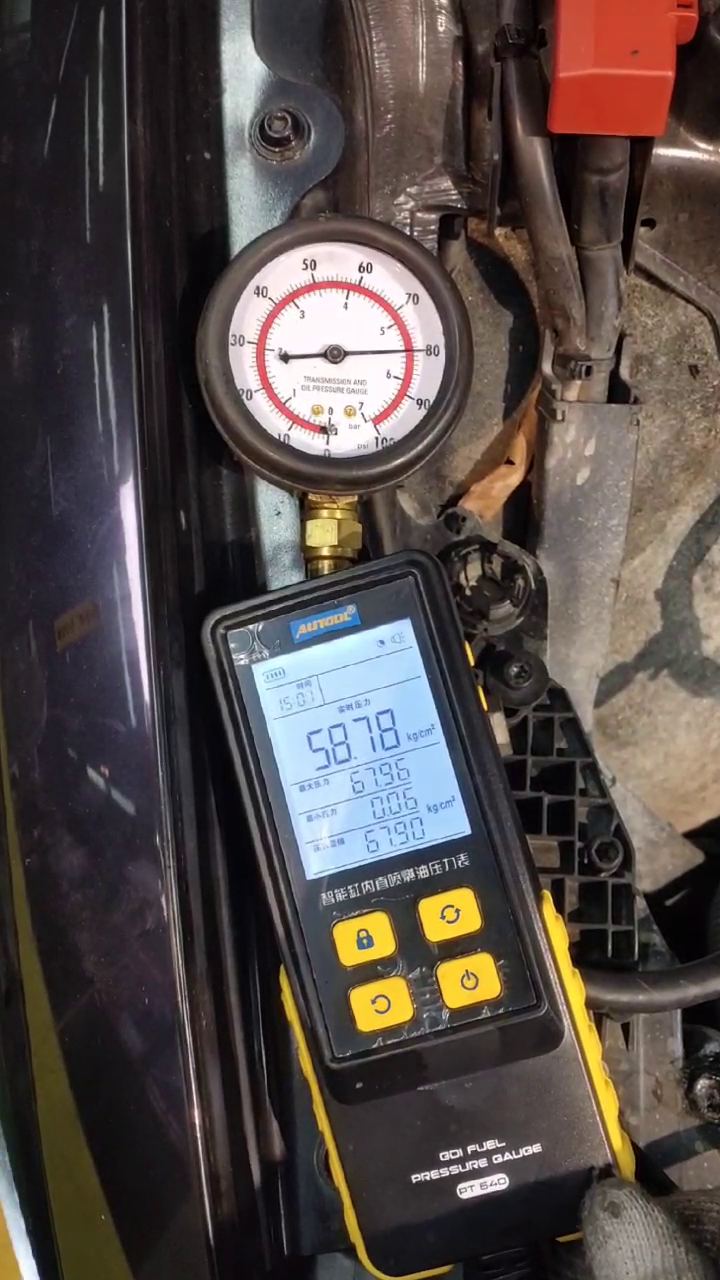
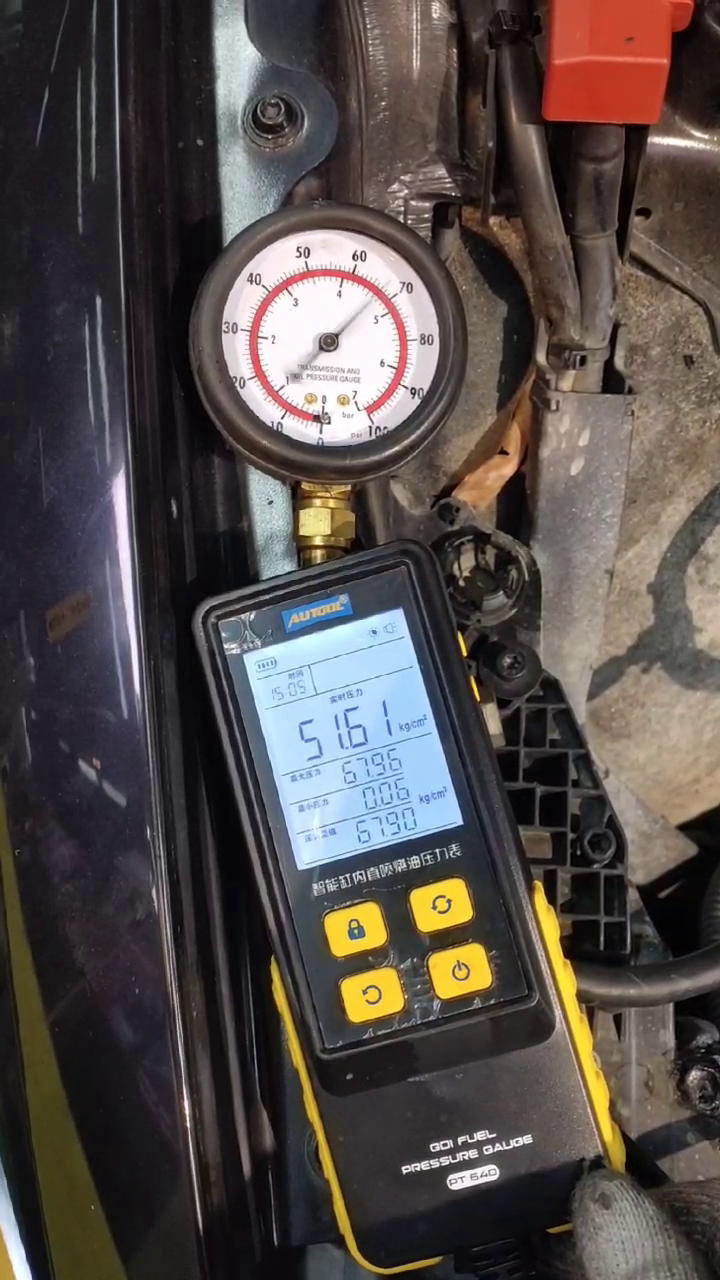
The article does not convert pixels into universal fuel specifications. Units, sensor identity, engine variant and specified pressure windows must be known before a number can pass or fail. The supported case fact is narrower: the workshop evaluated both fuel-pressure sides and reported them within the expected range for this car.
ECU work was the conclusion of this chain—not a shortcut
After the cylinder fault refused to follow swapped ignition parts and the fuel-pressure checks were reported normal, the workshop continued to the engine controller and confirmed an internal fault on this A6L. The ECU then received board-level repair. The public source does not disclose the decisive internal bench measurement, the repaired circuit, injector checks, compression figures or programming steps. For that reason, the result is case-bounded: it records what solved this vehicle but cannot turn four fault codes into a general ECU diagnosis.
Controller removal and electronic repair also require correct power-down, electrostatic precautions, sealing and configuration control. No programming procedure is invented here. The work described is simply internal ECU repair followed by reinstallation and functional checking.
The road test revisited the condition that exposed the fault
The source reports normal operation on a road test after repair. A strong workshop closeout would warm the vehicle, reproduce comparable acceleration safely, monitor misfire counters, confirm that EPC and shaking do not return, and rescan for current or pending records. The published case does not state distance, load, scan result or later follow-up, so its verification is a reported road-test result rather than a quantified endurance test.
For an A6L presenting the same codes, begin with the event data and basic mechanical condition, then isolate ignition, injector and fuel-delivery branches before suspecting the controller. The lesson worth transferring is the elimination sequence. The ECU answer belongs only where the misfire stays with the cylinders, ordinary inputs and outputs have been tested, and controller-level evidence closes the remaining gap.


Comments 0
Questions, fixes, and real-world diagnostic notes from readers.
Be the first to share a diagnostic result or ask a follow-up question.