
2012 BMW 535i A/C Not Cooling: Compressor Command Present but No Pumping

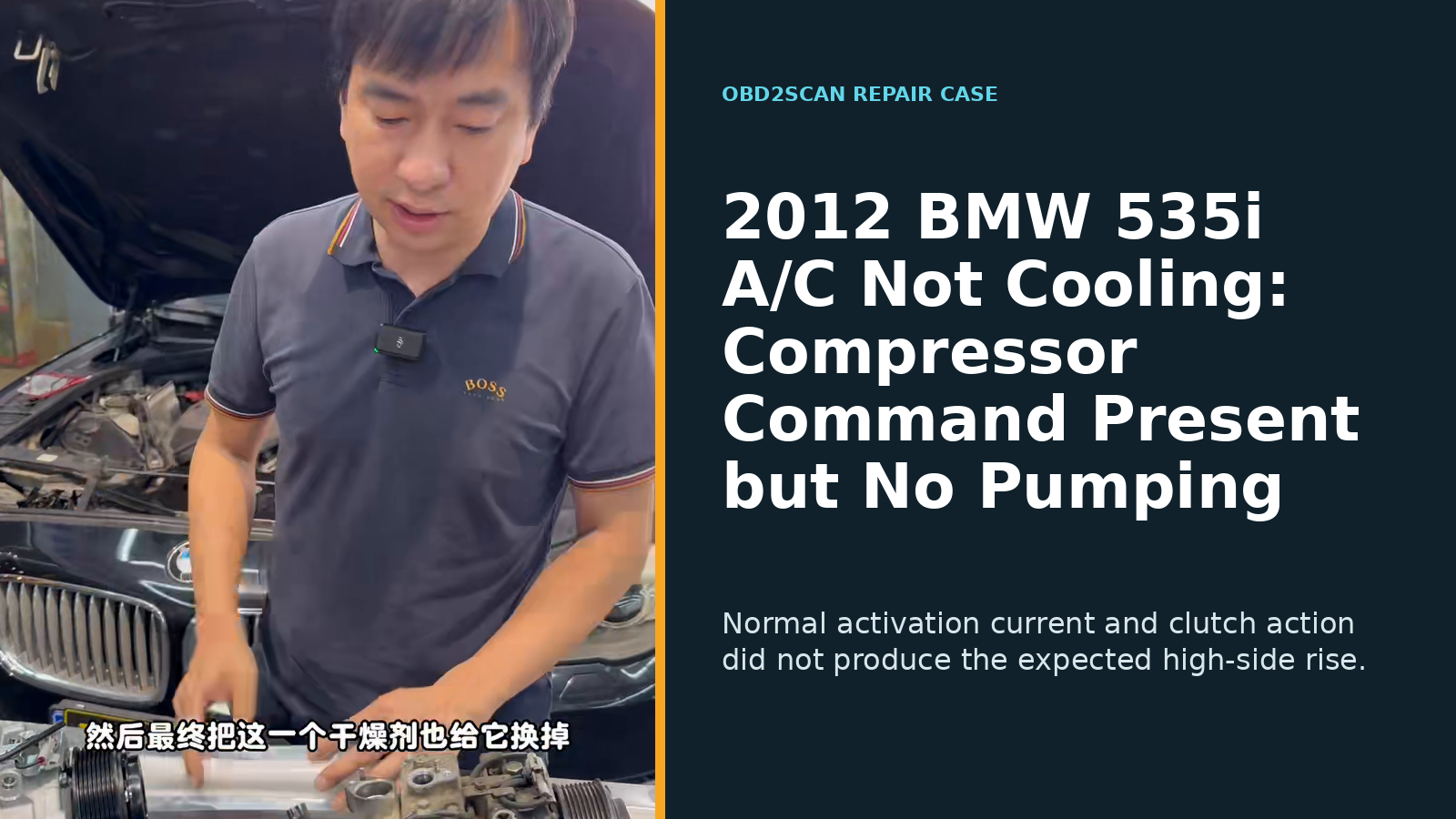
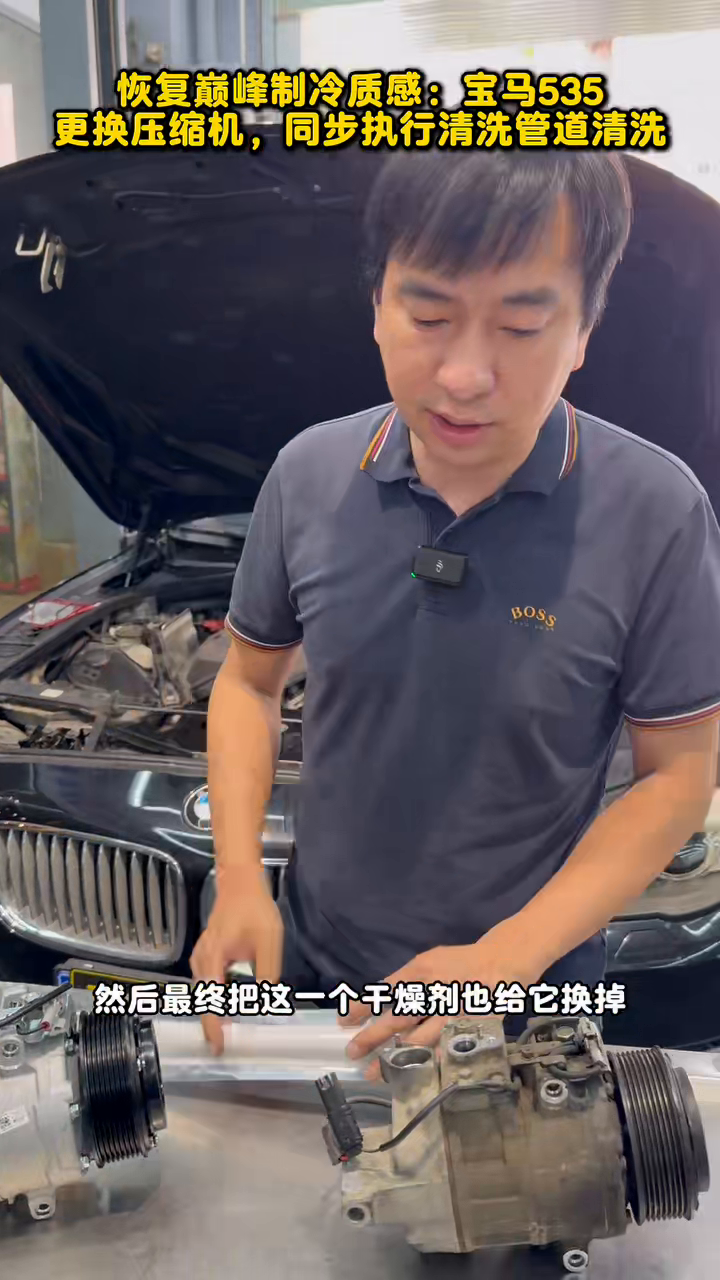
A 2012 BMW 535i with the N55 engine and 165,000 km arrived with air-conditioning that produced no cold air. The source reports no relevant electrical DTC, a normal current response during external activation and acceptable clutch engagement, yet the compressor failed to build the expected high-side response. Internal compressor failure was therefore confirmed; the compressor and dryer were replaced, the circuit was cleaned and restored, and a controlled post-repair test produced cold vent air with stable reported pressure behavior.
Case at a glance
| Item | This vehicle |
|---|---|
| Complaint | A/C completely stopped cooling |
| Electrical evidence | No related DTC reported; activation current and clutch action reported normal |
| Mechanical evidence | Compressor did not create the needed high-side pressure rise |
| Confirmed fault | Internal compressor wear/leakage causing loss of pumping ability |
| Repair | Compressor and dryer replacement, circuit flushing, expansion-valve inspection |
| Restoration | PAG oil balance, evacuation/leak-hold step and charge to vehicle specification |
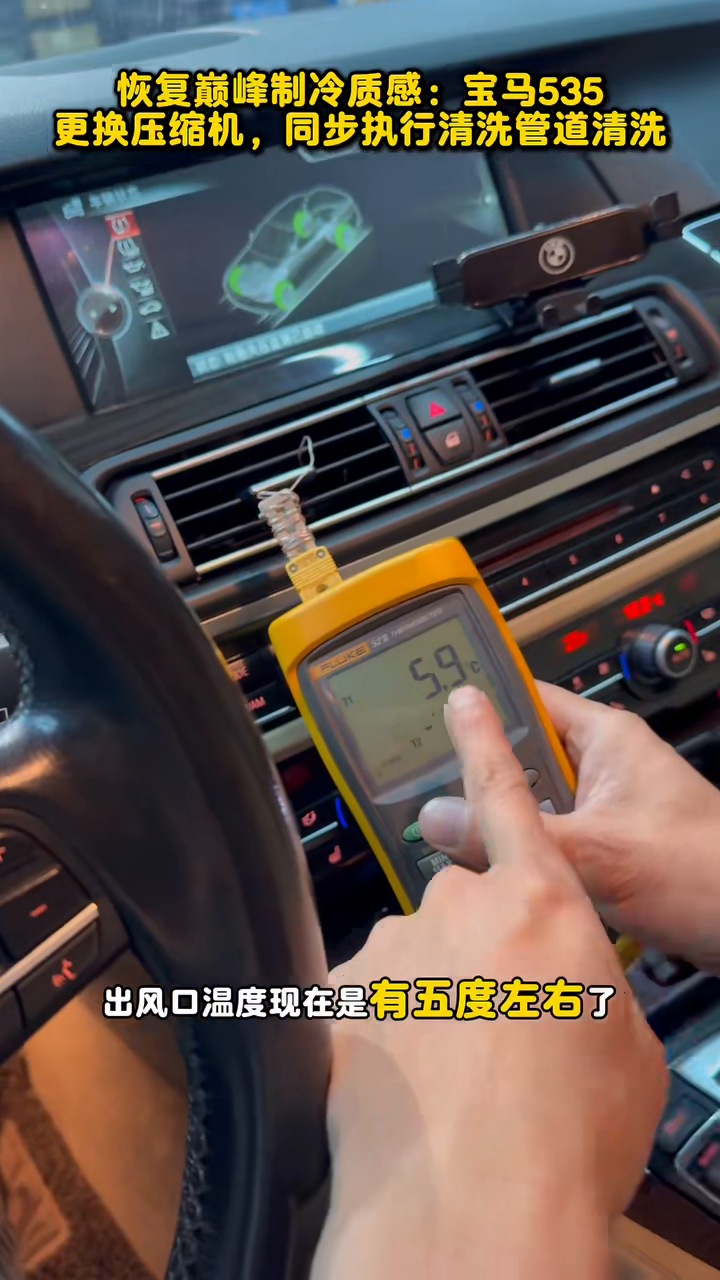
| Verification | At 30°C inlet, source reports 3–5°C outlet air, stable pressure curves, no abnormal compressor noise and responsive fan control |
Electrical response did not prove useful compression
A compressor can receive a command and still fail to move refrigerant effectively. That distinction prevented this case from ending at the first electrical observation. The scan reportedly contained no relevant electrical fault. An external activation test produced a normal current response, and clutch engagement was reported acceptable.
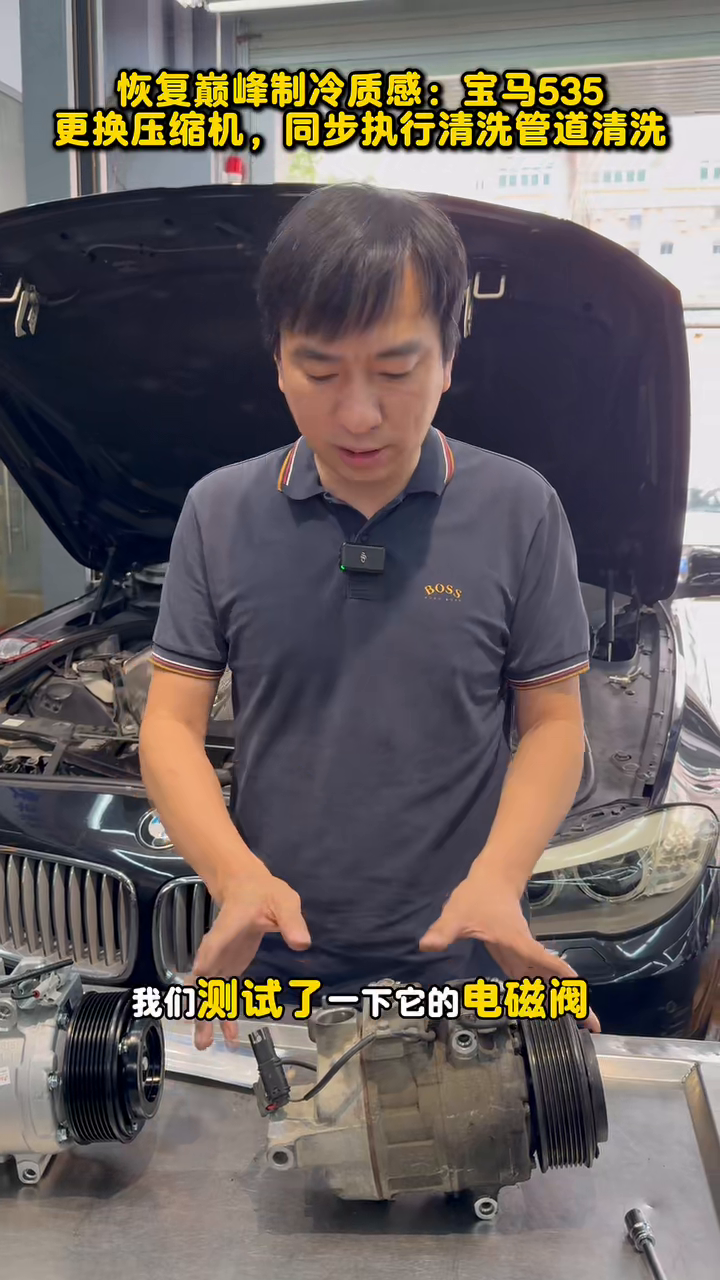
Those results made an open command circuit or non-engaging clutch less likely in this vehicle, but they did not demonstrate pumping. With the unit engaged, the high side failed to rise as expected and cooling remained absent. Taken together, command present plus inadequate pressure separation supported an internal mechanical failure rather than a command-only fault.
Pressure interpretation depends on refrigerant, ambient temperature, airflow, engine speed and charge state. It should be performed with calibrated equipment by personnel authorized to recover and handle refrigerant; venting refrigerant or opening a charged circuit is not a DIY diagnostic step.
Contamination risk expanded the job beyond one component
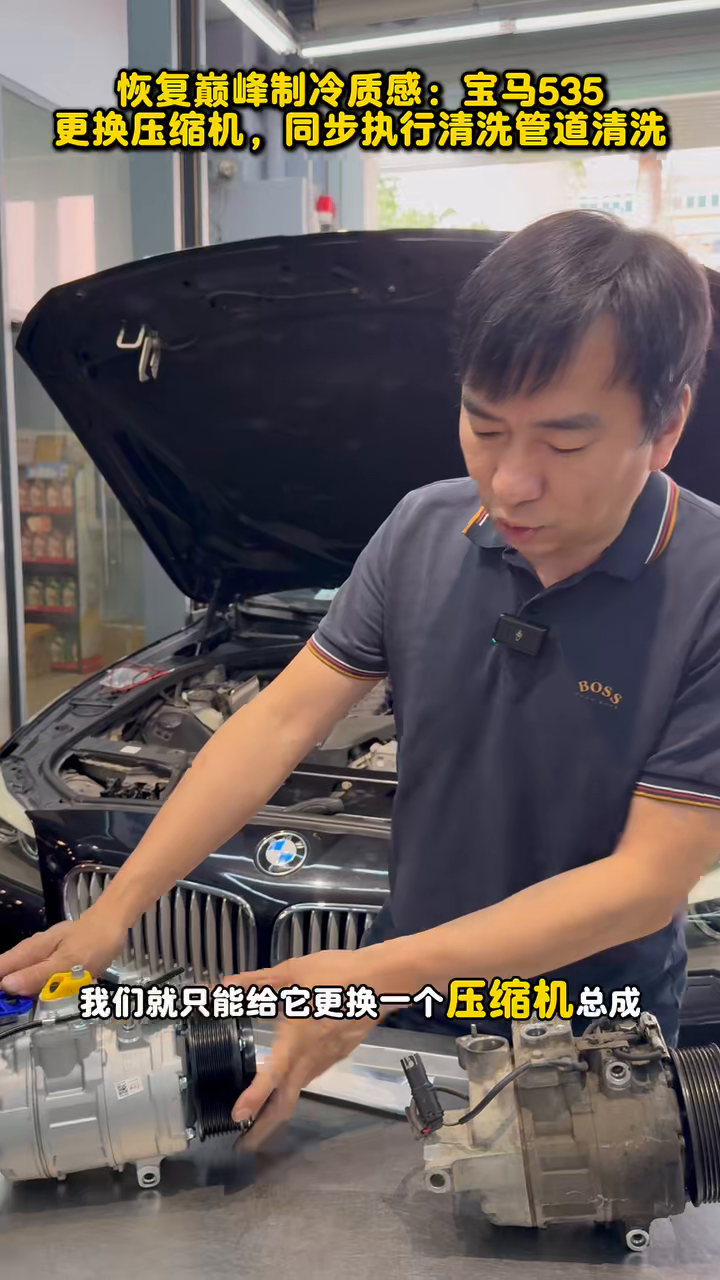
When a compressor wears internally, installing a new unit into an unassessed circuit can expose it to old debris or degraded lubricant. The source describes inspecting/cleaning the refrigerant path, replacing the dryer and checking the expansion valve rather than treating the compressor as an isolated bolt-on part.
The lines were flushed until the filter showed no visible metallic residue. The dryer element was replaced, the expansion valve was inspected for restriction, and the replacement compressor was installed. This describes what the source reports; whether a condenser or other component may be flushed, must be replaced, or needs isolation depends on its construction and the applicable service procedure.
Oil, evacuation and charge were restoration—not diagnosis
After the circuit was closed, PAG oil was balanced for the components and cleaning performed. The system then underwent an evacuation/hold step before refrigerant was added to the vehicle-specific specification. A professional dual-refrigerant station such as the AUTOOL LM708 can perform the documented recovery, evacuation and weighed-charge workflow when its refrigerant and oil configuration matches the vehicle. Those actions restore lubrication and charge after the confirmed repair; the machine does not diagnose the old compressor’s internal pumping failure.
The source lists 850 g and several pressure figures. They are intentionally not presented as service targets here because charge mass and acceptable pressure behavior depend on the exact vehicle label, equipment and test conditions. The under-hood label and current BMW information take precedence.
The final test returned to cooling performance
With inlet air reported at 30°C, center-vent air reached 3–5°C. The source also reports smooth pressure behavior, no abnormal compressor noise at load and condenser-fan response tracking system demand. This combined the customer-facing result—cold air—with mechanical and heat-rejection observations.
The source does not describe a prolonged road test or later leak recheck. The supported conclusion is that the system passed the documented controlled performance check after restoration, not that it is guaranteed leak-free indefinitely.
How to transfer the diagnostic logic
For another BMW that does not cool, first record ambient/inlet temperature, command state, relevant codes, refrigerant state and high/low-side behavior under a defined test condition. Separate “the compressor was asked to run” from “the compressor created useful pressure separation.” Only the second, combined with circuit and charge evidence, supports a mechanical pumping conclusion.
This case does not make compressor replacement the default for a 535i. Low charge from a leak, airflow faults, sensor inputs, control valves, wiring and restrictions can create similar symptoms and need their own evidence chain.
The finish check proved cooling, not long-term durability
With the specified charge restored, the source records vent air of 3–5°C from a reported 30°C inlet and stable pressure behavior in the controlled workshop check. That directly contrasts with the opening “no cold air” complaint and shows that useful pressure separation returned. Because no road-test duration, hot-soak repeat or later leak check is reported, the verification remains static rather than long-term.
The portable lesson is the distinction between command and work. A compressor may draw expected current or engage while its pumping section no longer creates the required high/low-side difference. Conversely, poor cooling on another 535i can still come from low charge, condenser airflow, sensor input, a restriction or control-valve behavior. Record test conditions and prove pressure performance before moving from an electrical observation to a compressor decision.


Comments 0
Questions, fixes, and real-world diagnostic notes from readers.
Be the first to share a diagnostic result or ask a follow-up question.