
2014 BMW 525i F18 Weak A/C: Mechanical Compressor Diagnosis and Replacement

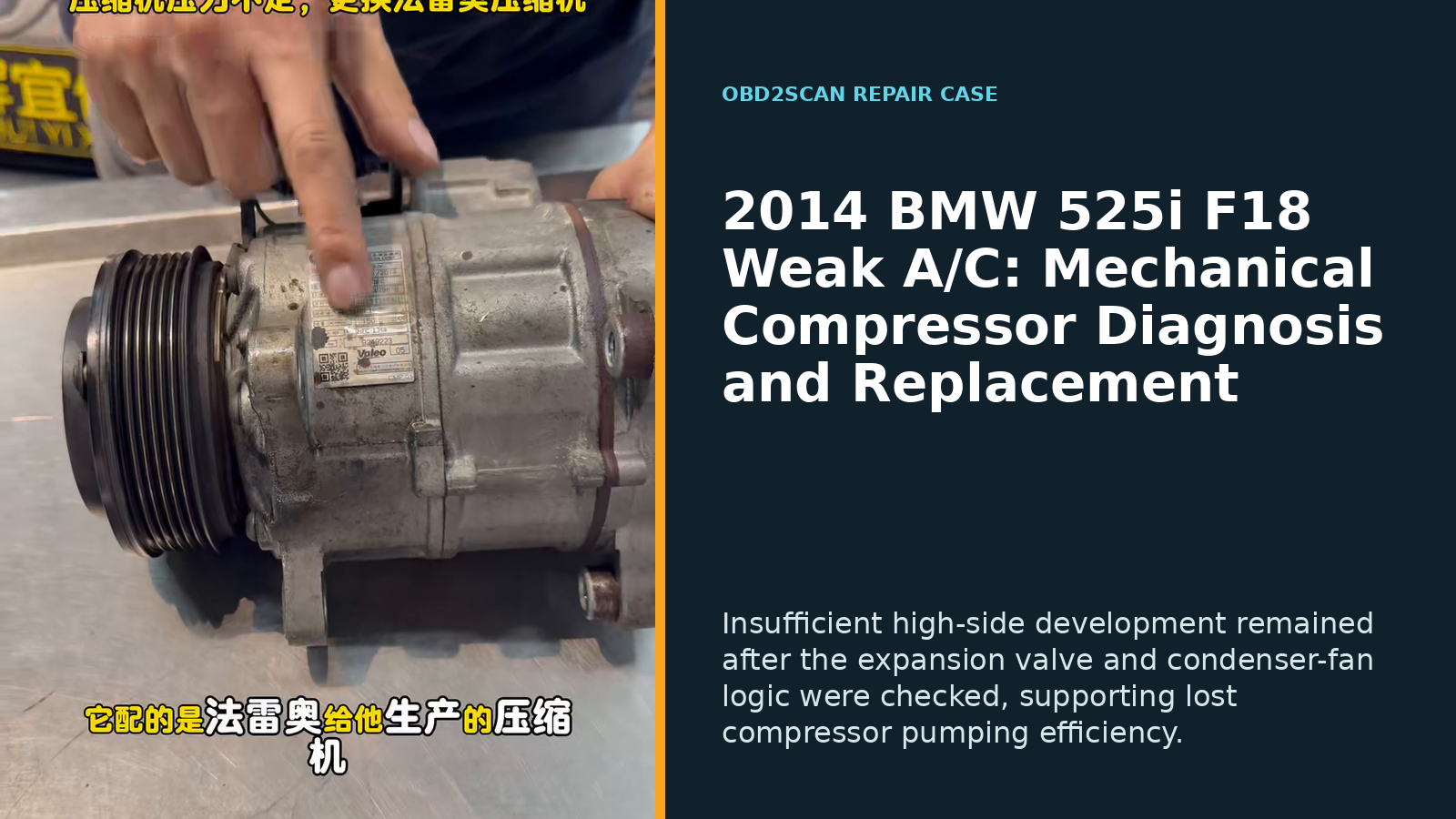
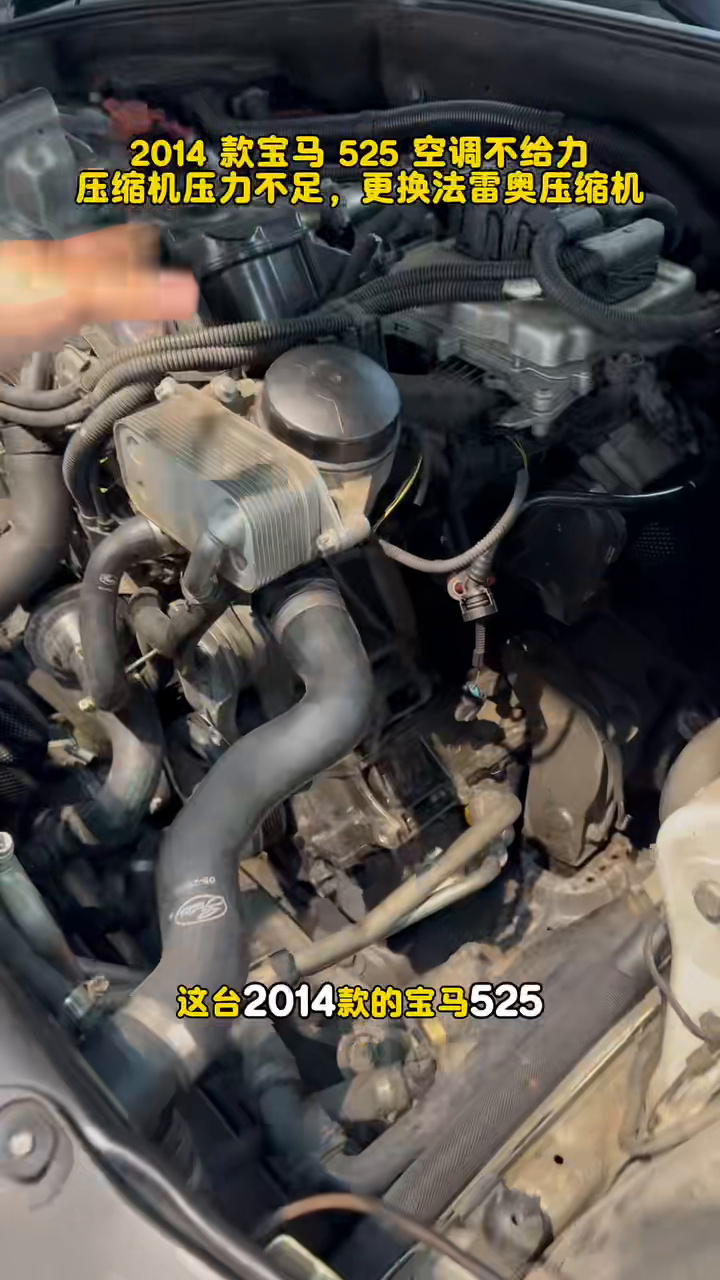
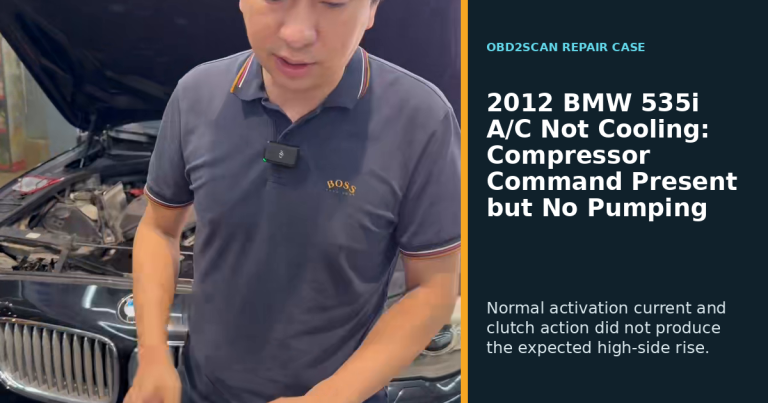
This 2014 BMW 525i F18 with an N20 engine and 158,000 km produced vent air above 15°C even though its A/C compressor made no abnormal noise. The workshop found inadequate high-side development, reported no expansion-valve blockage, and confirmed normal condenser-fan logic before identifying reduced mechanical pumping efficiency inside the compressor rather than an electrical fault. After compressor replacement and refrigerant-circuit restoration, the reported idle check showed a recovered pressure relationship, 4–6°C vent air, normal anti-frost response, and stable compressor control-valve current.
Those pressure and temperature values belong to this recorded test. Ambient temperature, humidity, airflow, exact refrigerant, and VIN-specific charge data are not published, so they are not universal BMW specifications.
Case at a glance
| Item | Case detail |
|---|---|
| Vehicle | 2014 BMW 525i, F18, N20; 158,000 km |
| Driver complaint | A/C selected but vent air remained above 15°C in the reported test |
| Important observation | Compressor ran without abnormal noise |
| Diagnostic direction | High side did not develop the workshop’s expected pressure range |
| Reported exclusions | No expansion-valve blockage; condenser-fan logic normal |
| Confirmed fault | Internal mechanical compressor wear/clearance reduced pumping efficiency; not an electrical fault |
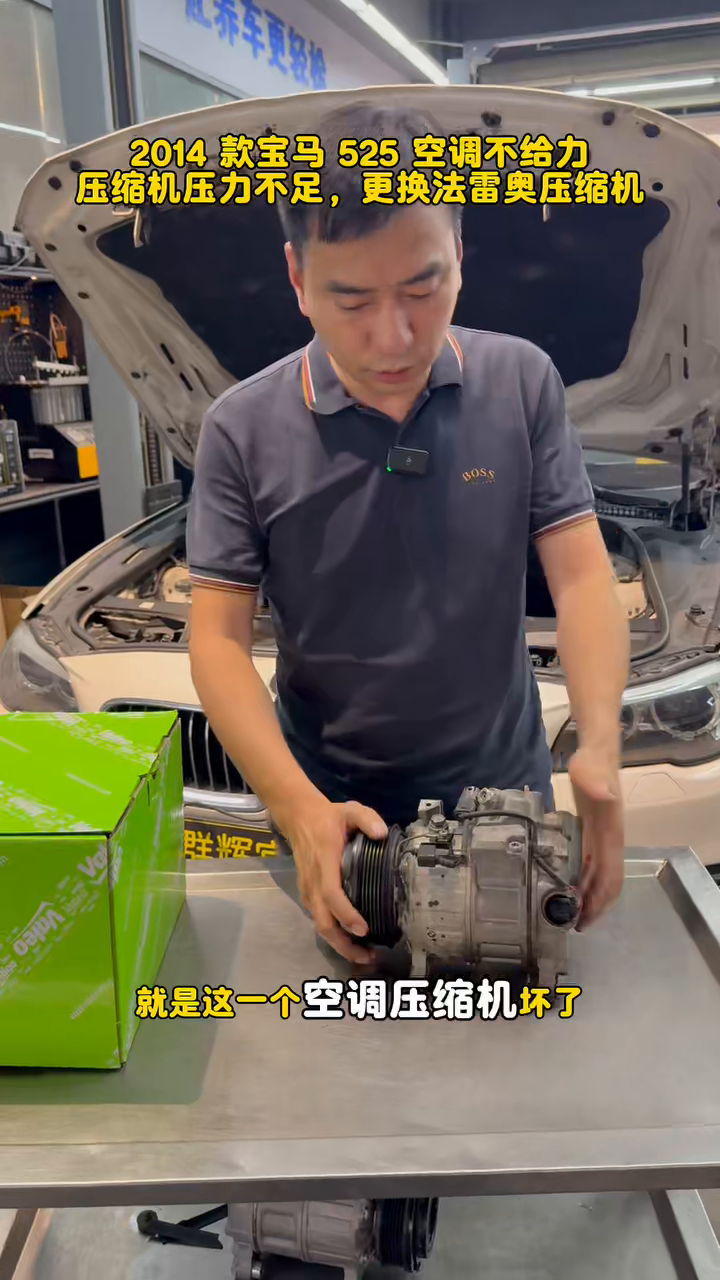
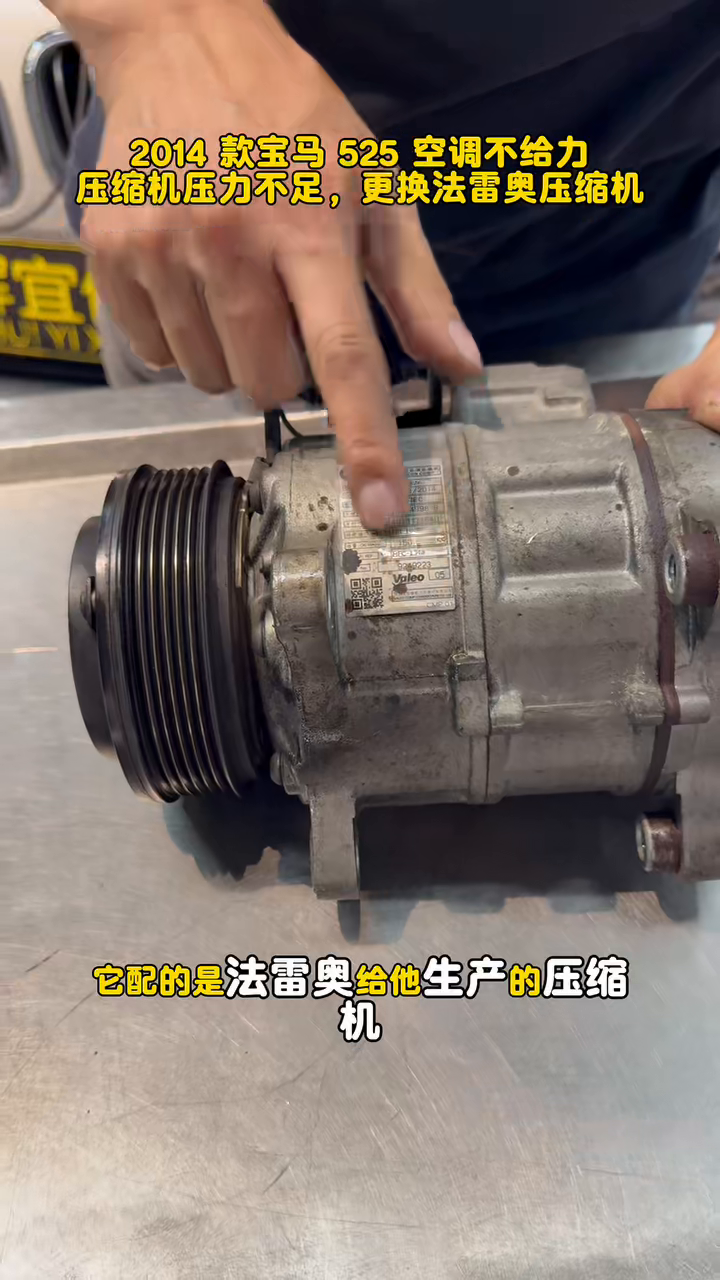
| Repair | Valeo OE-series compressor selected for this vehicle and installed |
| Restoration | Oil/circuit inspection, professional refrigerant service, evacuation, and charge by vehicle data |
| Verification | Reported low side near 2 bar, high side 13–16 bar, vent air 4–6°C, normal anti-frost logic, stable control-valve current at idle |
Quiet operation did not prove healthy pumping
A compressor can rotate quietly yet move too little refrigerant. In this car, poor outlet temperature and inadequate high-side development supplied the useful performance evidence. The source also records that the expansion valve was not blocked and the condenser fan followed normal operating logic, reducing support for two other causes of weak cooling.
This was not a diagnosis from one pressure number. Refrigerant quantity, test condition, airflow across the condenser, ambient load, metering behavior, sensors, and control commands all affect A/C readings. The published conclusion combines the pressure behavior with those checks and identifies internal mechanical clearance and lost volumetric efficiency, while distinguishing the problem from an electrical failure.
The removed part did not show the diagnosis on its housing
The old compressor was removed and a Valeo OE-series replacement selected for this vehicle. Its outside appearance cannot reveal worn pumping clearances, and the absence of abnormal noise never cleared it. The case measurements and diagnostic exclusions carried that conclusion.
Exact compressor application, oil balance, fasteners, line seals, and installation sequence require the vehicle build and current service procedure. Opening an A/C circuit also creates contamination and refrigerant-handling risks. This is qualified MVAC work, not a recommendation to vent refrigerant, connect an unverified can, or replace a compressor from vent temperature alone.
Circuit condition decided the restoration scope
The publication calls the repair “compressor replacement plus circuit purification,” but its detailed instruction makes full-loop pulse flushing conditional on gray contamination in the removed oil. It does not clearly report that gray oil was found or that the conditional full flush was performed. Likewise, it instructs technicians to inspect or replace the receiver-drier element but does not clearly record the actual result. Neither action is upgraded to a confirmed event here.
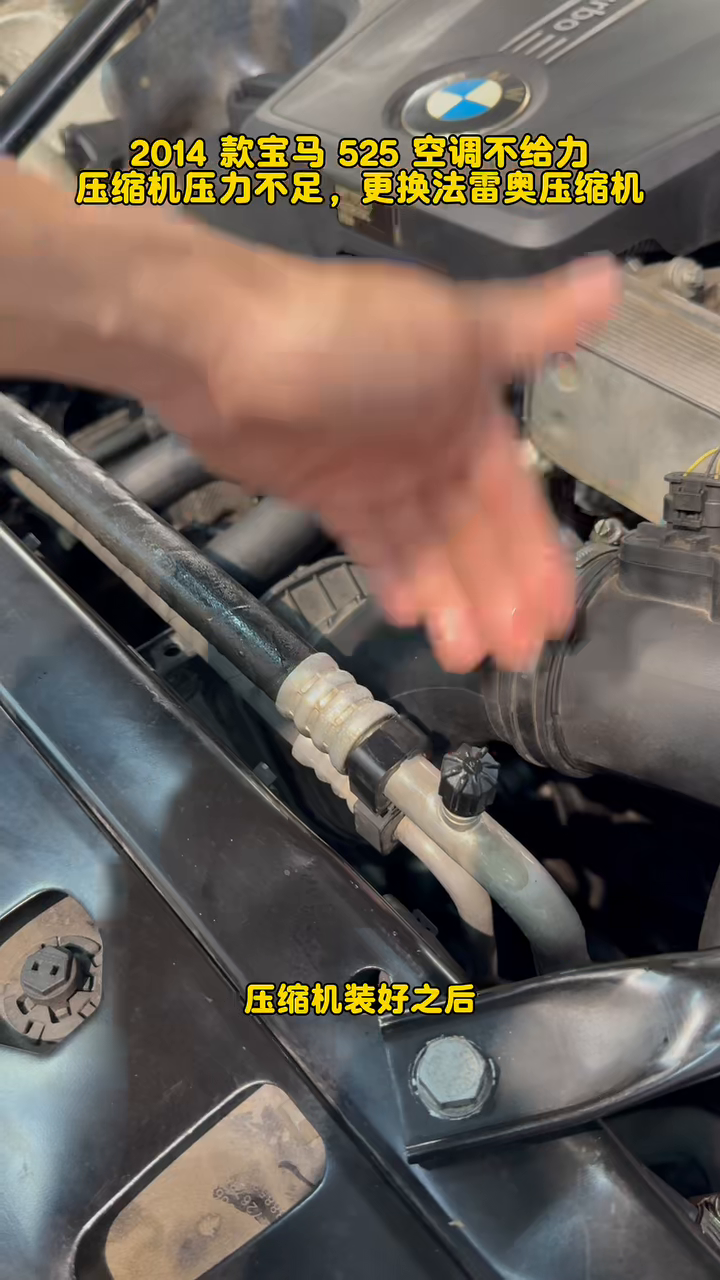
The confirmed restoration record is narrower: the circuit entered a vacuum stage and was charged using the refrigerant and lubricant information applicable to the vehicle. The page includes a reference charge figure, but also directs selection by the underhood label. Because exact refrigerant and charge data are not established here, no number is presented as a transferable fill specification.
Where the refrigerant, adapters, database, vehicle charge data, and local qualifications all match, an AUTOOL LM708 refrigerant recovery and recharge station can support professional recovery, evacuation, and recharge. The source does not say it was used. It cannot diagnose internal wear, select the compressor, decide whether flushing or dryer replacement is required, or choose refrigerant, oil, and charge mass. In the United States, follow EPA Section 609 requirements for motor-vehicle A/C refrigerant work; other jurisdictions have their own rules.
Performance verification returned to measured evidence
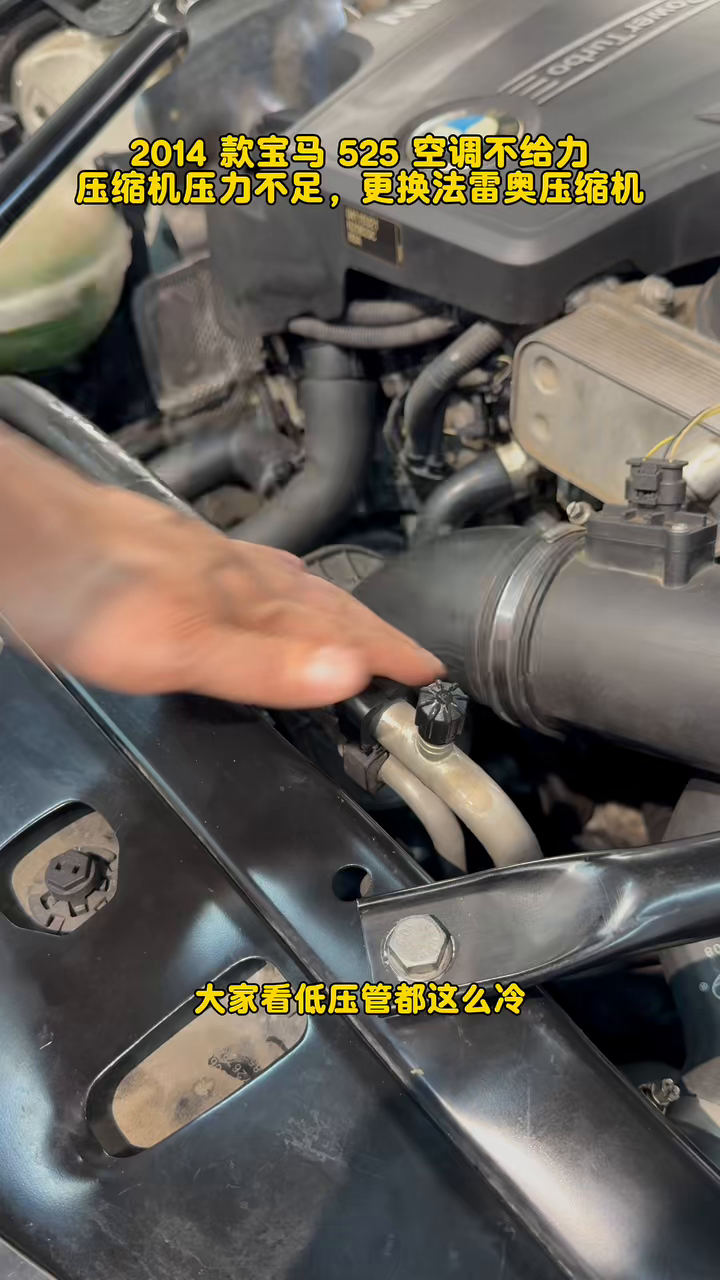
After restoration, the source reports approximately 2 bar on the low side and 13–16 bar on the high side at idle. Center-vent air was reported at 4–6°C, the evaporator anti-frost response operated normally, and compressor control-valve current remained stable. Those checks address pressure production, delivered cooling, control protection, and electrical command behavior together.
Q10 is closed by those explicit post-repair results, not by the replacement part appearing in the engine bay. The video documents components and the installation area; it does not continuously show the gauges and vent probe, so the numerical results remain page-reported measurements. A final professional inspection should also confirm leak integrity, correct operation across the applicable load range, and no abnormal noise or fault status under the exact service procedure.
What this case changes for another weak-cooling complaint
Do not use compressor noise as a proxy for pumping capacity, and do not assume weak cooling automatically needs more refrigerant. Record vent temperature under known conditions, assess pressure relationships and command data, verify condenser airflow and metering behavior, then identify what evidence actually isolates the compressor. If the circuit is opened, inspect contamination, choose flushing and dryer scope from evidence and service rules, recover refrigerant legally, charge by exact vehicle data, and repeat measurable performance checks. This car’s useful lesson is the sequence—not its mileage or any one pressure number.


Comments 0
Questions, fixes, and real-world diagnostic notes from readers.
Be the first to share a diagnostic result or ask a follow-up question.