
Soft or Spongy Brake Pedal? Stop Driving and Find the Hydraulic Loss

A newly soft, spongy, unusually low, or slowly sinking brake pedal is a stop-driving condition. It can reflect air, external fluid loss, hose expansion, caliper/wheel-cylinder trouble, an internal master-cylinder leak, or hydraulic-control-unit work that was not bled correctly. Park safely, use the parking brake only as the vehicle manual permits, and arrange a tow; do not test stopping distance on the road.
What to do first
- Do not continue driving or perform a road test, even if the vehicle still stops at low speed.
- If safely parked on level ground, look for a brake warning, low reservoir level, and fresh wetness without crawling under the vehicle.
- Do not keep topping up fluid: falling level means wear or leakage that must be explained.
- Use only the exact fluid specified on the reservoir cap/owner's manual; contamination can damage the system.
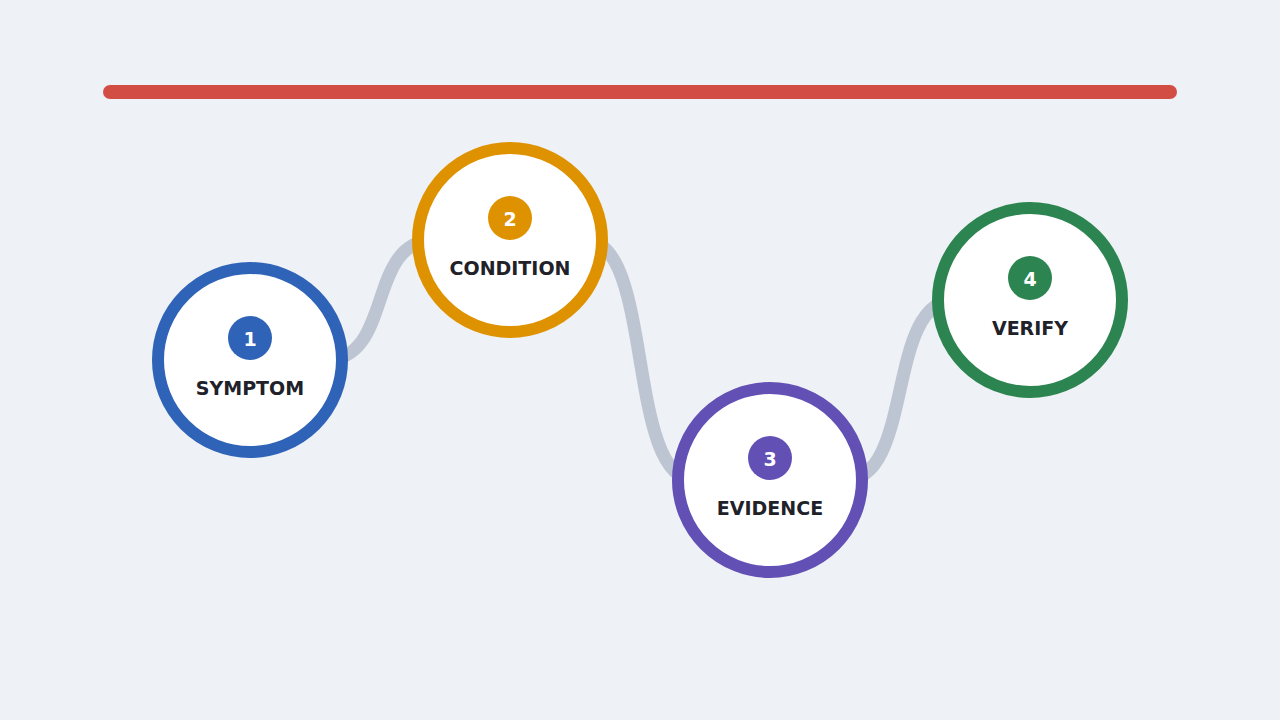
In this guide
1. What the symptom means—and does not prove
Brake fluid transmits pedal force because it is effectively incompressible in normal service. Air compresses and commonly creates a springy feel; fluid loss or internal bypass can create extra travel or a sinking pedal. Pedal feel alone cannot identify the failed component, and brake-assist faults more often change effort than create a classic spongy hydraulic feel.
It does not independently prove
- that the system only needs bleeding;
- that the master cylinder is the failed part;
- that normal reservoir level excludes an internal fault;
- that recent pad replacement cannot be related;
- that pumping the pedal makes the vehicle safe;
- that ABS bleeding is the same on every model;
2. Save the evidence and make only low-risk checks
- when the feel changed and whether work preceded it;
- brake/ABS warning messages;
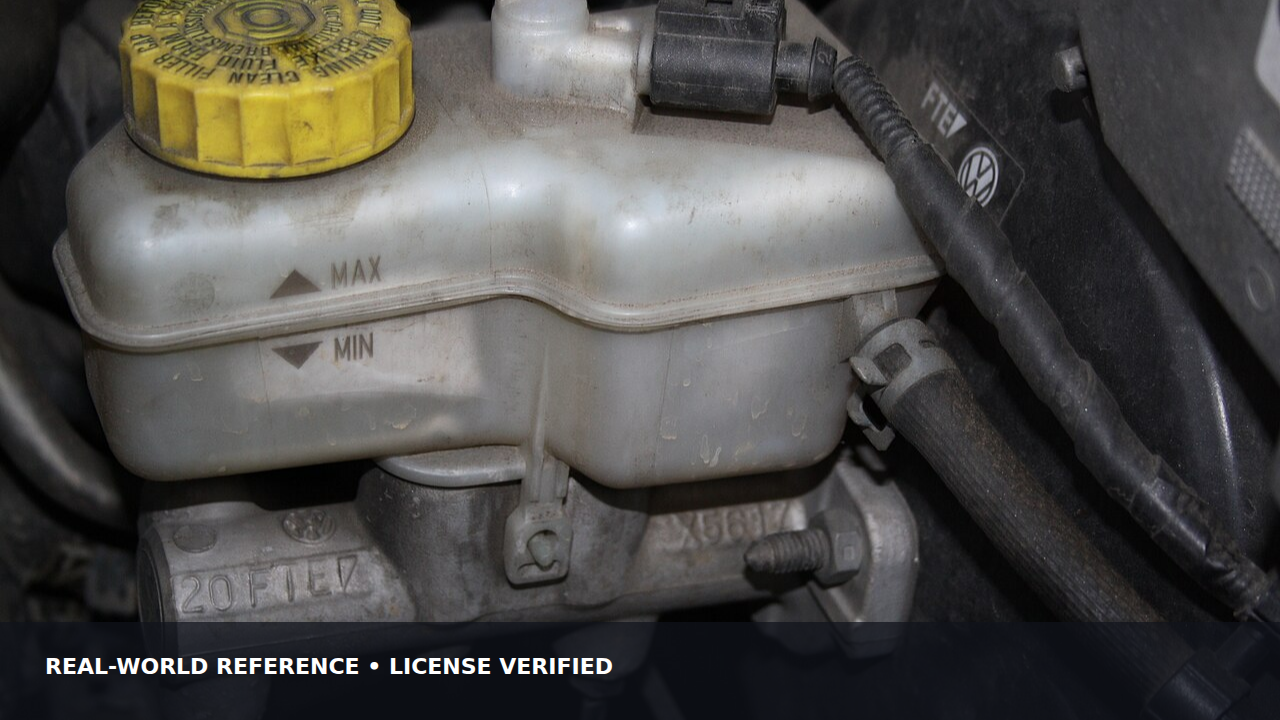
- reservoir level without opening a contaminated area unnecessarily;
- visible wetness at wheels, lines, hoses, and under the master-cylinder area;
- whether the pedal is springy, low, or slowly sinks during a stationary hold;
Preserve this record before resets, repeated starts, part swaps, or fluid additions change the condition. Related background: brake-noise safety guide DIY-or-shop decision guide.
3. Use the pattern to choose the next test
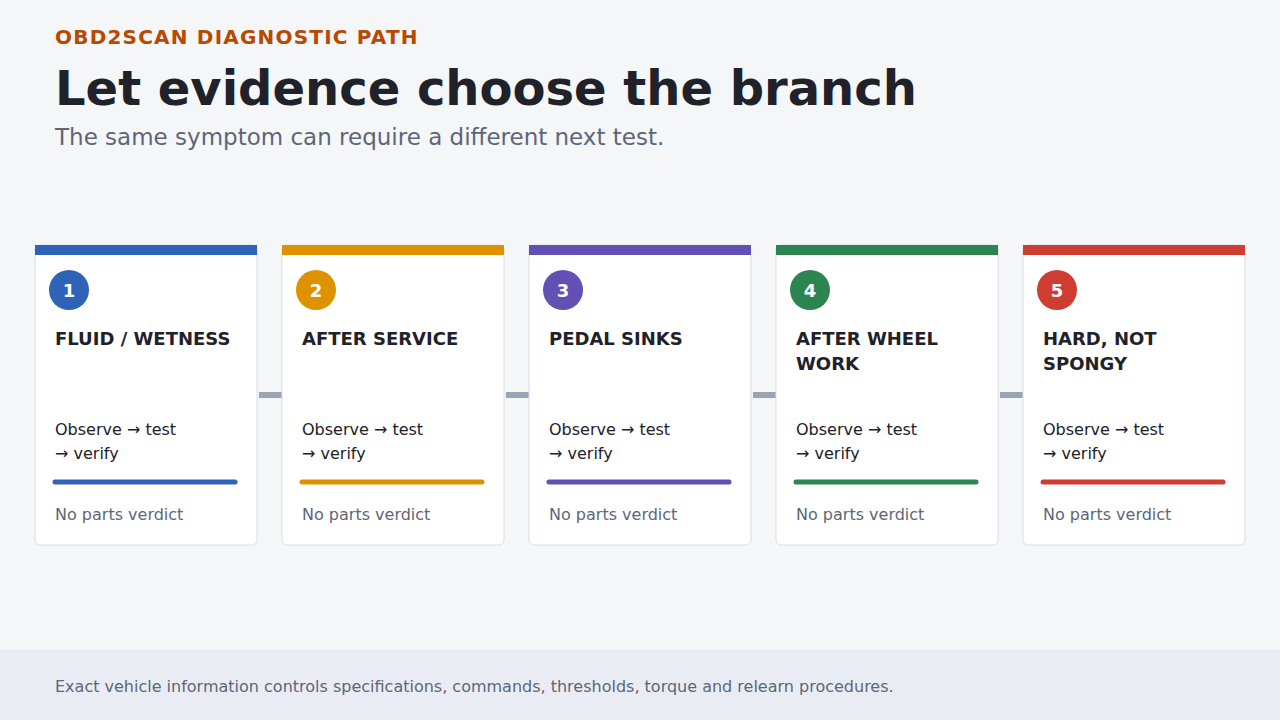
1. Fluid is low or fresh wetness is visible
What the pattern changes: External leakage can reduce available hydraulic volume and may worsen without warning.
Next proof: Do not drive. A technician should locate the leak, repair the cause, use the specified fluid, bleed the correct circuits, and inspect contaminated friction parts.
2. The symptom followed brake, hose, caliper, or fluid service
What the pattern changes: Entrained air, incorrect assembly, a twisted hose, a caliper issue, or an incomplete ABS procedure moves up the list.
Next proof: Return the vehicle without road-testing it and provide the exact work order and when the pedal changed.
3. The pedal slowly sinks under steady stationary pressure
What the pattern changes: Internal hydraulic bypass is possible even when no external fluid is visible.
Next proof: A professional should isolate the circuit according to service information; replacing the master cylinder from pedal feel alone skips hose, caliper, ABS, and adjustment checks.
4. Travel changes after pad, rotor, bearing, or wheel work
What the pattern changes: Pad knock-back, excessive runout/play, rear-brake adjustment, or installation problems can increase the next pedal stroke.
Next proof: Inspect the related mechanical condition and fasteners before bleeding becomes the default answer.
5. The pedal is hard rather than spongy
What the pattern changes: Loss of vacuum/electric brake assist produces high effort and may be confused with hydraulic weakness.
Next proof: Treat reduced braking as unsafe, but move diagnosis toward assist supply, booster, pump, sensors, and warnings rather than repeatedly bleeding fluid.
Safety boundary
Exact service information controls specifications and invasive procedures. Fuel/refrigerant systems, hot or rotating parts, brake hydraulics, lifted vehicles, high-current circuits, pressure testing, forced commands, and road reproduction belong with trained personnel and the correct equipment.
4. Give the shop a reproducible handoff
- exact pedal description;
- warning lights/messages;
- fluid level and visible leak location;
- recent brake/wheel service;
- stationary hold and professional hydraulic-isolation findings;
Ask for the failed test and the before/after result—not only the name of the installed part. A model-specific bulletin is useful only after VIN, engine, software, code set, and symptom applicability match.
5. Verify the repair under the original condition
After the proven cause is repaired, the system must be leak-free, correctly filled and bled with the specified procedure, and the pedal must remain consistent during the prescribed stationary hold. A trained technician should then complete the service-manual functional and controlled road checks. Pumping the pedal until it temporarily firms up does not verify repair.
Official and primary technical references
- Acura master-cylinder safety recall owner letter — Acura / NHTSA
- Brake-fluid and bleeding safety guidance — Kawasaki / NHTSA
- Ford owner's-manual maintenance messages — Ford Motor Company
The useful outcome
You should finish with the original condition precisely recorded, the unsafe possibilities controlled, one failed path proven, and a repeat test showing the symptom or warning is genuinely resolved.


Comments 0
Questions, fixes, and real-world diagnostic notes from readers.
Be the first to share a diagnostic result or ask a follow-up question.