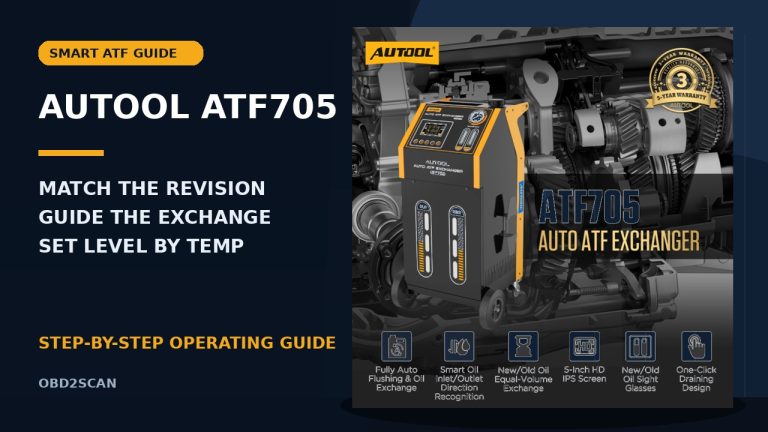
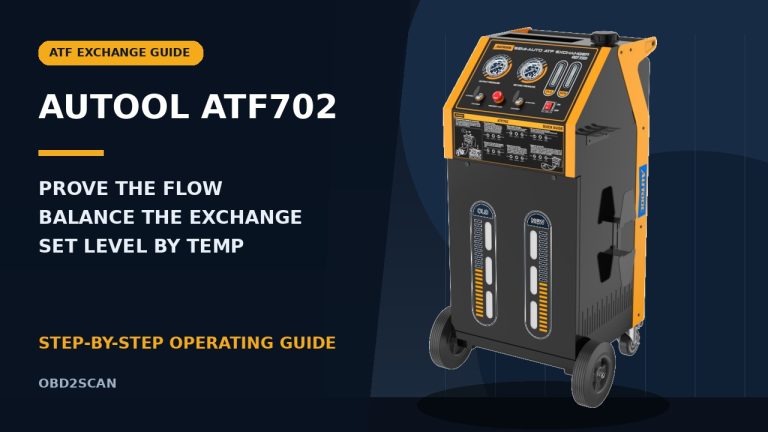
How to Use the AUTOOL ATF702 Transmission Fluid Exchanger

A detailed AUTOOL ATF702 guide to correct-fluid planning, cooler-line direction, sealed connections, priming, balanced exchange, temperature-correct level setting, and final checks.

A detailed AUTOOL ATF702 guide to correct-fluid planning, cooler-line direction, sealed connections, priming, balanced exchange, temperature-correct level setting, and final checks.

A practical N54 walnut-blasting plan built around nozzle geometry, sealed extraction, positive valve closure, repeated inspection and controlled reassembly.

Treat the red oil-can light as possible loss of oil pressure: stop safely, shut the engine off, check level after waiting, and verify actual pressure before restarting.

Use cold-start duration, hot persistence, load, odor, oil/coolant loss and scan data to separate condensation, oil burning, coolant entry and excess fueling.

Use vehicle motion, steering angle, throttle and rhythm to separate outer-CV evidence from tire contact, brakes, steering, suspension and loose hardware.

Separate a true pull from road crown and steering-wheel offset, then test tire pressure/force, brake drag, alignment, and damaged chassis evidence.

Use the idle-versus-road pattern to test condenser airflow, fan control, refrigerant charge, compressor command and air-mix operation before charging.

Stop safely, shut the engine off when the warning persists, never open a hot cooling-system cap, and diagnose loss, airflow, circulation, or engine-load causes.

Treat a newly soft, spongy, low, or sinking brake pedal as a hydraulic safety problem: stop driving, check for visible leakage, and tow for diagnosis.

Treat P0455 as a failed EVAP integrity result, check the filler seal and fuel hazards, then prove purge, vent, line, canister, or tank leakage.