Porsche Cayenne Misfire Counts: When the Engine Wasn’t Misfiring
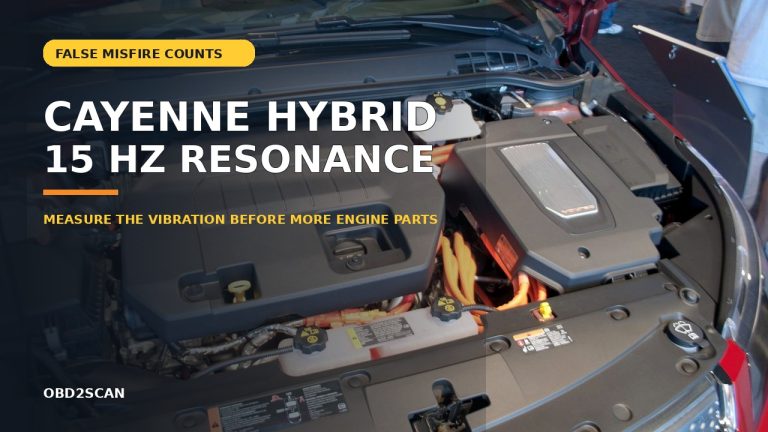
An NVH-led Cayenne Hybrid diagnosis where a failed clutch-plate damper created crankshaft speed variation that the ECU counted as combustion misfire.


An NVH-led Cayenne Hybrid diagnosis where a failed clutch-plate damper created crankshaft speed variation that the ECU counted as combustion misfire.
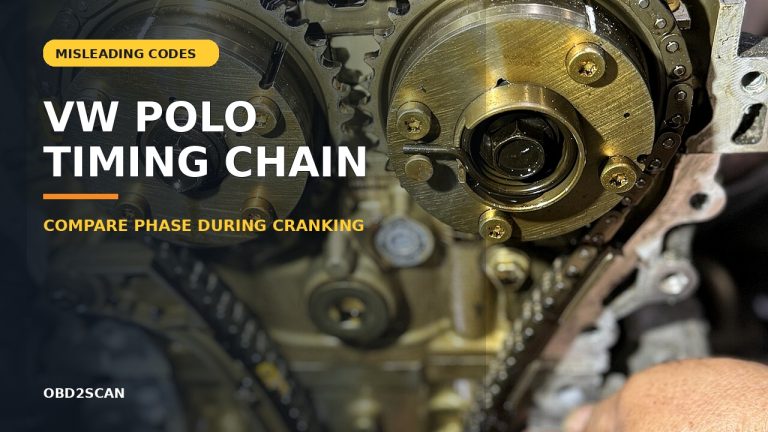
A three-cylinder Polo case where MAP contamination was real but dynamic cam/crank phase movement proved the remaining timing-chain fault.
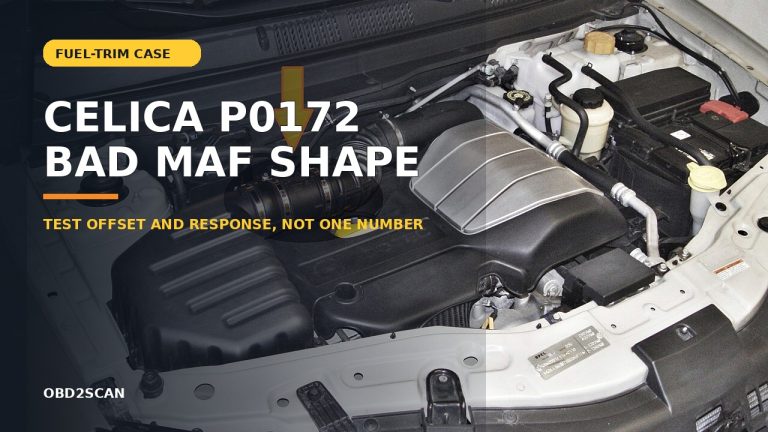
A 2ZZ Celica fuel-trim case where the same contaminated MAF overreported idle air yet responded too slowly and too little at wide-open throttle.
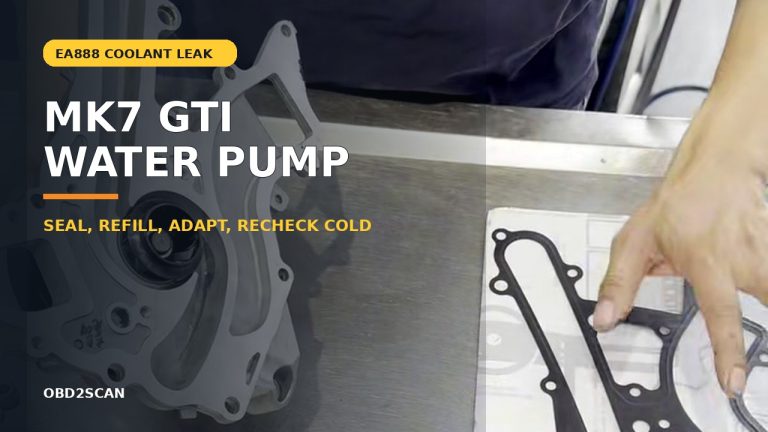
A 2015 GTI water-pump and thermostat-housing workflow covering access, the reverse-thread drive bolt, low-torque assembly and actuator adaptation.

A Volvo P1 PCV and oil-filter-housing replacement organized around access, hose routing, ECM protection, oil-pressure confirmation and leak checks.

A controlled intake-carbon comparison showing why one clean reference port is more useful than an unverified chemical-treatment promise.
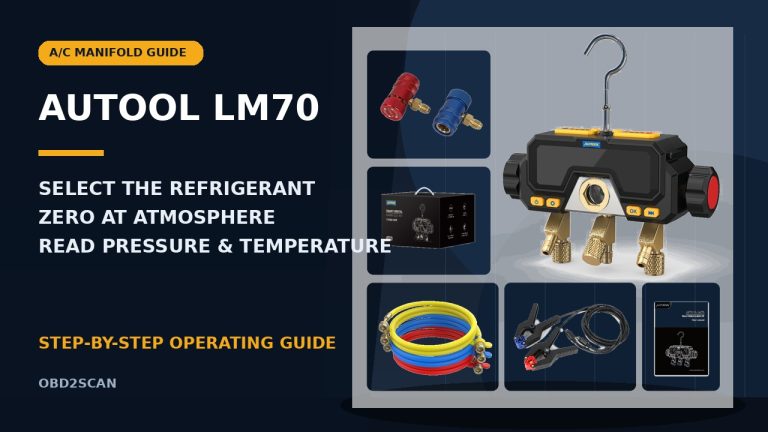
A detailed AUTOOL LM70 guide to refrigerant selection, atmospheric zeroing, safe hose setup, dual-side pressure and pipe-temperature readings, timed tests, evacuation limits, and shutdown.
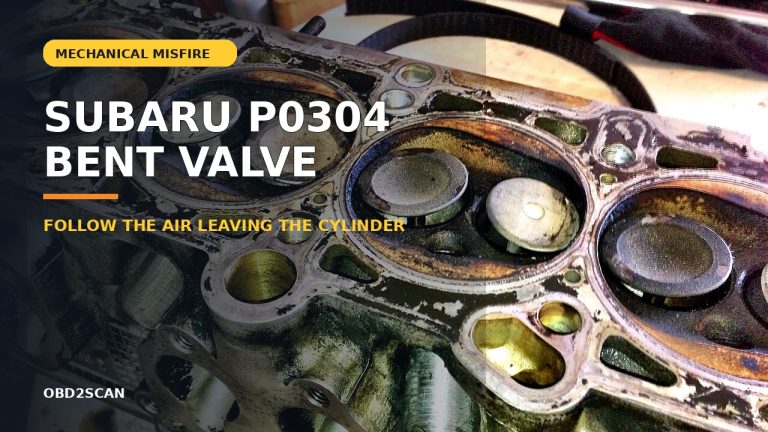
A cylinder-four misfire diagnosis that moves from ineffective ignition and fuel swaps to leak-down evidence and a subtly bent exhaust valve.

A three-stage intermittent no-crank case that separates two convincing false fixes from an offline telematics module with good power, ground and CAN.

A sleep-current diagnosis that uses fuse voltage drop and thermal confirmation to locate a rear blower controller draining the battery overnight.