How to Test a Car Battery with a Multimeter

Start with safety and context
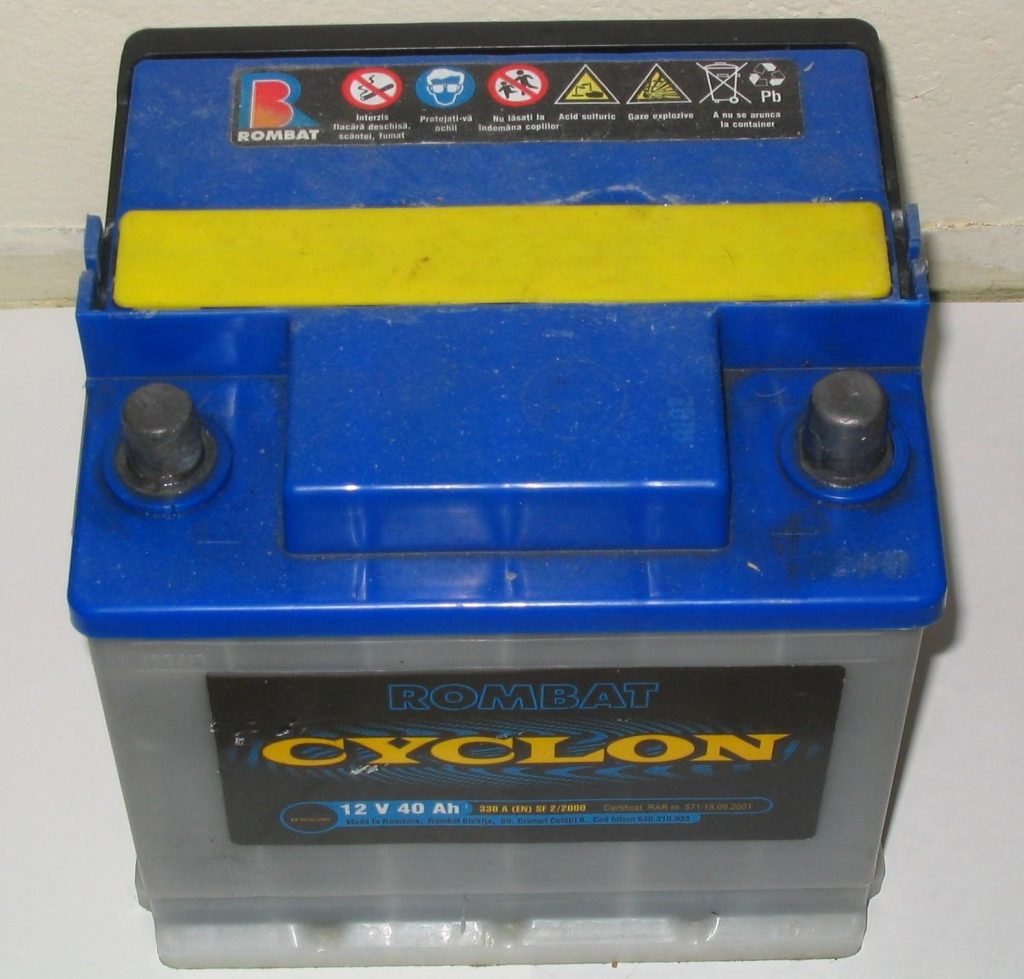
Before testing: wear eye protection, remove metal jewelry, keep sparks away, and confirm whether the vehicle has designated under-hood test points. Hybrid and EV high-voltage batteries are outside the scope of this procedure.
Resting-voltage check
- Turn the vehicle off and switch off lights, blower, and accessories.
- Allow surface charge to settle. A recent drive or charger can temporarily raise the reading.
- Set the meter to DC volts on a range above 15 V.
- Connect red to positive and black to negative at the approved test points.
- Record the voltage and battery temperature; compare it with the battery maker’s guidance.
| Typical 12 V reading | What it suggests | Next step |
|---|---|---|
| About 12.6 V after resting | Battery is near full charge | Continue with a load/conductance test if symptoms remain |
| About 12.4 V | Partially discharged | Charge fully, then retest |
| Near or below 12.0 V | Deeply discharged or possibly faulty | Inspect, charge with the correct equipment, and test |
| Reading changes at the cable | Connection resistance may be present | Inspect terminals and perform a voltage-drop test |
Cranking test
Watch voltage while an assistant starts the engine only if the meter and leads can be positioned safely. A weak result may come from the battery, high-resistance cables, the starter, temperature, or an engine mechanical problem.
Charging check
Measure charging voltage at idle and with electrical loads, then compare with service data. Smart charging systems intentionally vary voltage, so a single traditional “normal” number can be misleading.
A discharged battery is a symptom until you know why it discharged.
If the battery repeatedly goes flat, check key-off current draw, charging performance, cable voltage drop, and vehicle usage patterns. Replace a battery only after the connections and charging system are considered.





Comments 0
Questions, fixes, and real-world diagnostic notes from readers.
Be the first to share a diagnostic result or ask a follow-up question.