Oil Leak or Oil Consumption? How to Tell the Difference

A lower dipstick reading can come from an external leak, internal consumption, an incorrect previous fill, or a measurement made under different conditions.
External leakage
- Wet seams or fresh drips
- Oil on shields or underbody
- Burnt smell from oil on hot surfaces
- Dirt stuck to an oily trail
Internal consumption
- No obvious external wetness
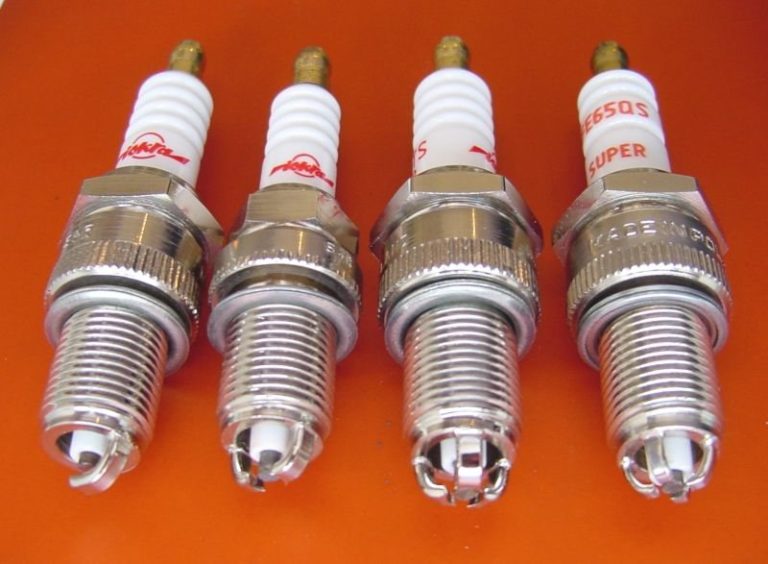
- Deposits on one or more plugs
- Smoke under specific conditions
- Oil level falls over measured distance
Create a reliable baseline
- Verify the correct oil specification and fill quantity.
- Park in the same level location and use the owner’s manual checking procedure.
- Record date, odometer, dipstick position, and amount added.
- Clean suspected external areas only after photographing them.
- Recheck after a defined distance and similar driving conditions.
| Evidence | What it can indicate | Next test |
|---|---|---|
| Oil highest at the top of engine | Cap, cover, seal, ventilation or spill | Clean, add trace dye if appropriate, recheck |
| Oil between engine and transmission | Rear engine area, upper leak running down, transmission fluid | Identify fluid and highest wet point |
| Blue smoke after long deceleration | Oil entering cylinders under high vacuum | Model-specific mechanical diagnosis |
| Blue smoke under load | Possible ring, cylinder, turbo, or ventilation issue | Scan data and mechanical tests |
A simple monitoring timeline
- Day 0: set the verified level and photograph the dipstick.
- After normal use: inspect the parking area and underbody.
- At the chosen distance: measure using the same procedure.
- After any repair: restart the log instead of relying on memory.
Do not continue operating with oil-pressure warnings, severe leakage, smoke that limits visibility, or an oil level outside the safe range. The acceptable consumption limit is model-specific.
2 min read

Comments 0
Questions, fixes, and real-world diagnostic notes from readers.
Be the first to share a diagnostic result or ask a follow-up question.