Rough Idle Diagnostic Workflow: Air, Fuel, Spark, and Data

Before diagnosing “rough,” define it: low speed, unstable speed, vibration with stable RPM, or an actual misfire.
Whole-engine clues
- Both fuel-trim banks move similarly
- Idle speed is consistently too low or high
- Multiple random misfires
- Symptom changes with electrical or steering load
Cylinder-specific clues
- One cylinder accumulates misfire counts
- One plug looks different
- Injector or coil swap moves the fault
- Relative compression flags one cylinder
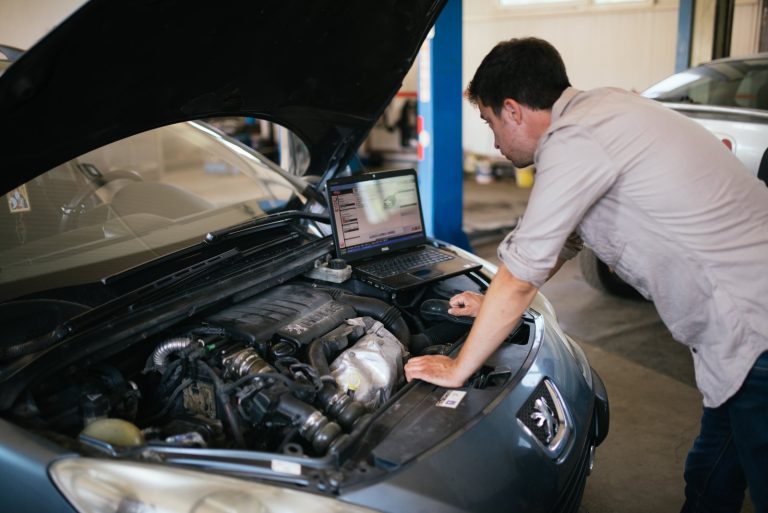
Record data before touching parts
Operating condition: cold / warm / hot soak
Engine speed: commanded vs actual
Fuel trims: short-term and long-term, both banks
Misfire counters: current and history
Airflow or manifold pressure
Coolant and intake-air temperature
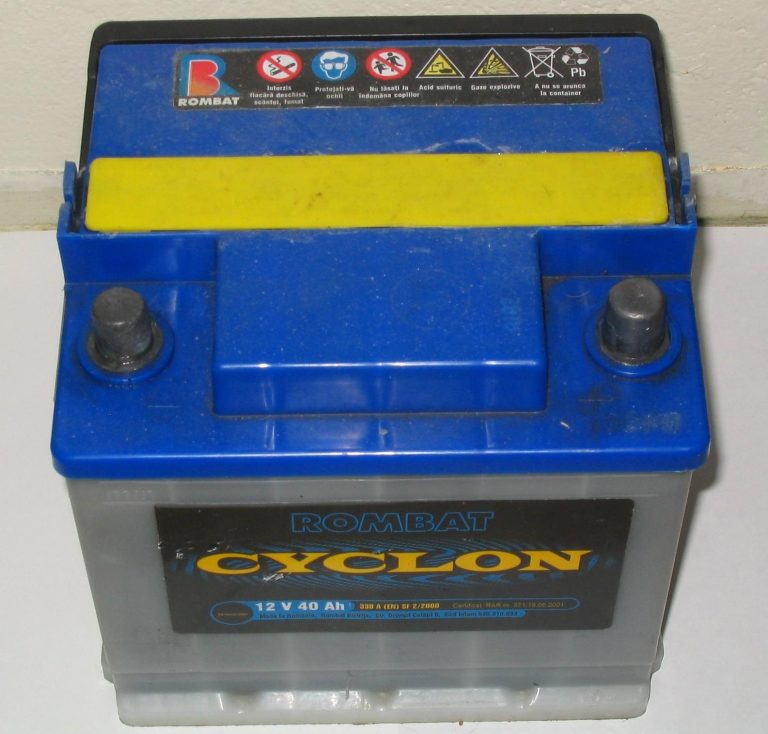
Battery/charging voltage
Commanded purge and throttle position
Change one condition at a time
| Test condition | If the idle improves | If the idle worsens |
|---|---|---|
| Raise engine speed slightly | Idle-control, mount, vacuum, or low-speed combustion clue | Load-related ignition/fuel or mechanical clue |
| Add electrical load | Control adaptation may be reacting | Charging voltage, ground, or idle compensation needs checking |
| Compare cold and fully warm | Temperature-dependent mixture or sealing issue | Heat-related ignition, purge, injector, or mechanical issue |
| Disable a cylinder using an approved scan test | Little change points toward a weak cylinder | Large change suggests that cylinder was contributing |
The diagnostic order
- Check battery voltage, grounds, codes, and technical service information.
- Inspect intake plumbing, vacuum hoses, connectors, and recent work.
- Use scan data to decide global versus cylinder-specific.
- Test ignition and injector operation using approved methods.
- Check air leaks, purge flow, fuel delivery, and mechanical condition as evidence directs.
- Verify the repair from cold start through the original failure condition.
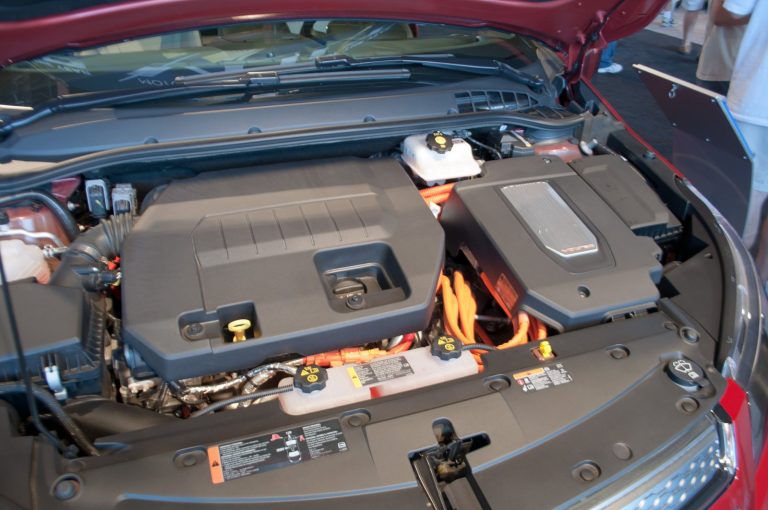
Keep hands, clothing, test leads, and tools away from belts and fans. Secondary ignition and hybrid/EV systems require appropriate equipment and procedures.
2 min read

Comments 0
Questions, fixes, and real-world diagnostic notes from readers.
Be the first to share a diagnostic result or ask a follow-up question.