2013 Ford E350 Still Has No Fuel Pressure After Pump Parts: Check the Frame Ground
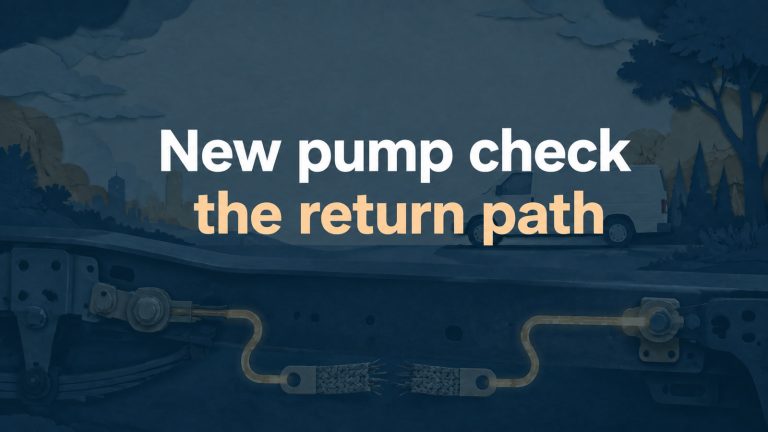
A pump needs a complete electrical return path. New pump components cannot compensate for a damaged connection between the frame and battery return.

A pump needs a complete electrical return path. New pump components cannot compensate for a damaged connection between the frame and battery return.

An impact-triggered fault makes routing and clearance useful inspection targets. It does not mean the sensor named by a code is the damaged component.
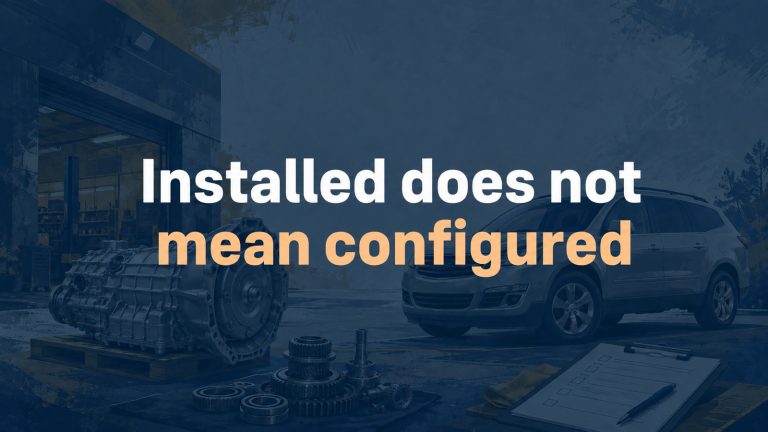
A transmission installation can be mechanically complete while controller setup remains unfinished. Establish which electronics changed before calling the replacement defective.

Repeated bleeding attempts should trigger a review of the specified method and component orientation. A new master cylinder can still contain trapped air.

Multiple body-electrical faults can share water-damaged control electronics. Replacing the wet module without resolving the water source leaves the next module exposed.
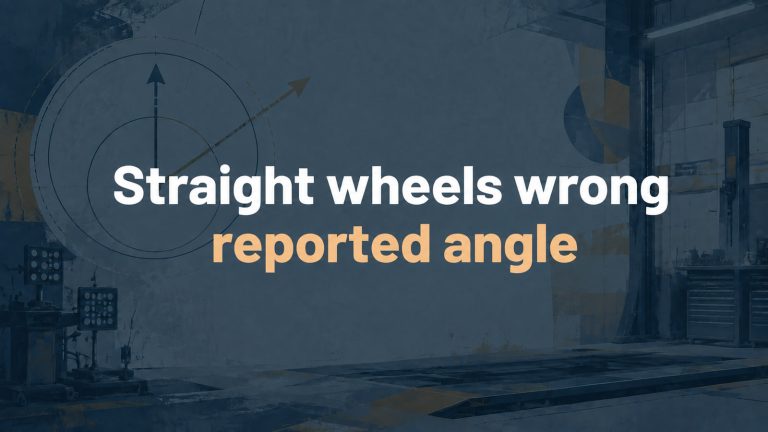
Steering geometry, sensor position and stability intervention must agree. A mechanically straight-looking wheel is not enough after steering-system repairs.

A code cluster can cross intake and exhaust systems. Confirm an obvious boost leak first, then reassess the remaining faults with normal air delivery restored.

A replacement transmission still depends on the external cooling path. A fault that appears after hours deserves investigation beyond a short workshop warm-up.

Several silent modules may share a communication problem. Establish the affected network and isolate it correctly before concluding that every controller has failed.

An intermittent camshaft-response fault needs a comparison across the full movement and return. A normal oil level or one successful response does not close the investigation.