
Dipstick Tube or Drain Plug? Choosing an Oil Extractor and Drainer

Oil removal has two legitimate routes. The vehicle, access point, sump geometry and shop workflow decide which route belongs in the bay.
Quick answer: PELA/EWK/Mityvac-class manual extractors win occasional or mobile top-side work, and JohnDow can win distributor-supported fleet equipment. AUTOOL OD720 is the balanced general-bay choice when the shop genuinely needs both a 10 L measured vacuum path and a 20 L gravity pan feeding a 70 L storage cart with a bounded discharge method.
In this guide
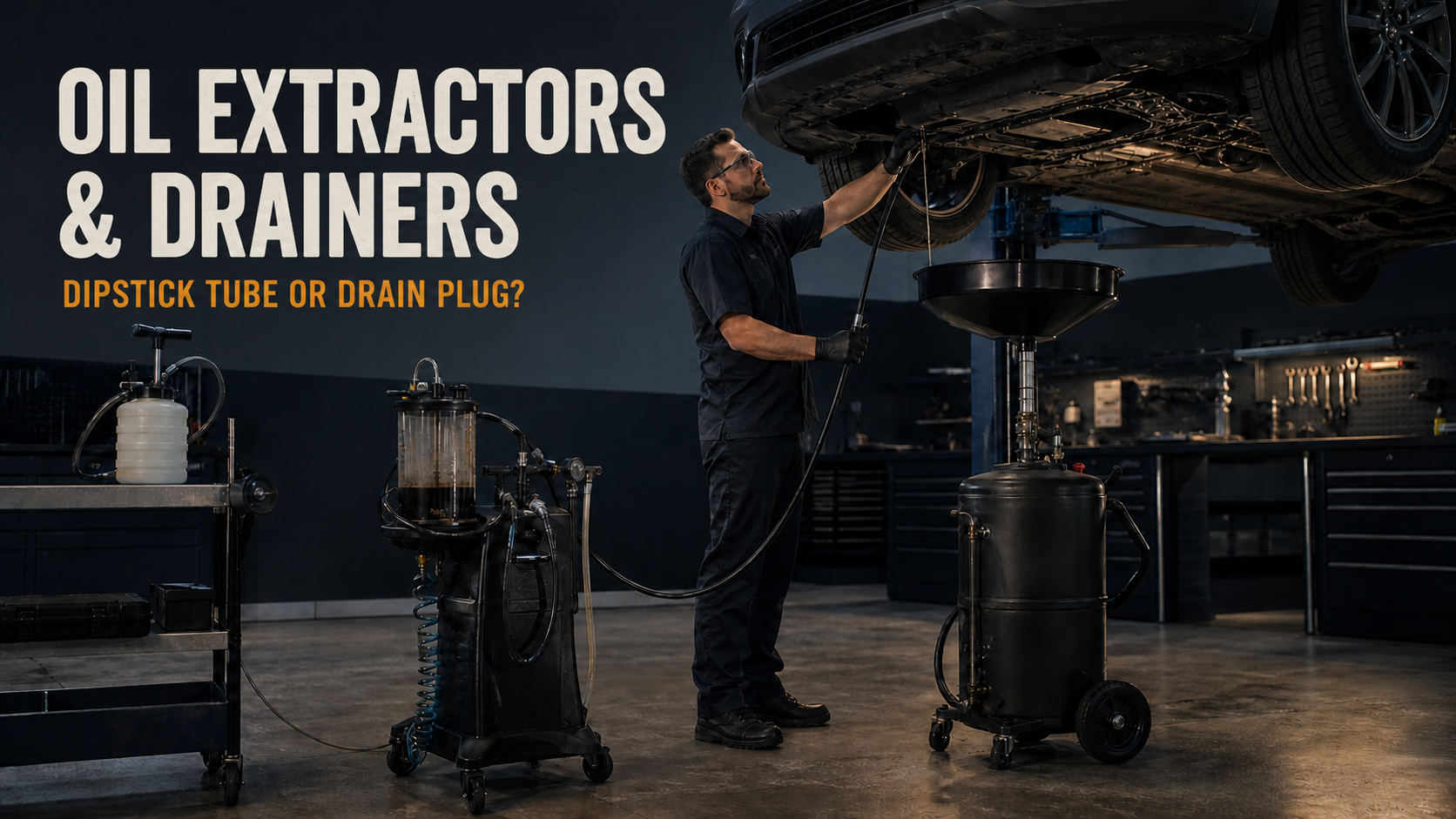
At the top of the engine is a dipstick tube. Under the engine is a drain plug. Tool marketing often turns that layout into a contest: vacuum extraction is clean and modern, or gravity draining is complete and traditional. Real shops need both answers because vehicle designs and service information do not all agree.
Manual extractors from PELA and EWK serve portable and DIY work. Mityvac and JohnDow cover manual, pneumatic and larger service equipment. OEMTOOLS, Schwaben, VEVOR and other shop brands fill adjacent bands. AUTOOL OD-series carts combine vacuum extraction, a measuring chamber, a gravity pan and a large waste tank.
There is no defensible public brand-share dataset spanning marine hand pumps, DIY extractors and 20-gallon shop carts. This guide maps the visible classes and ownership models without assigning fake percentages.
Route A: Extract through a service tube
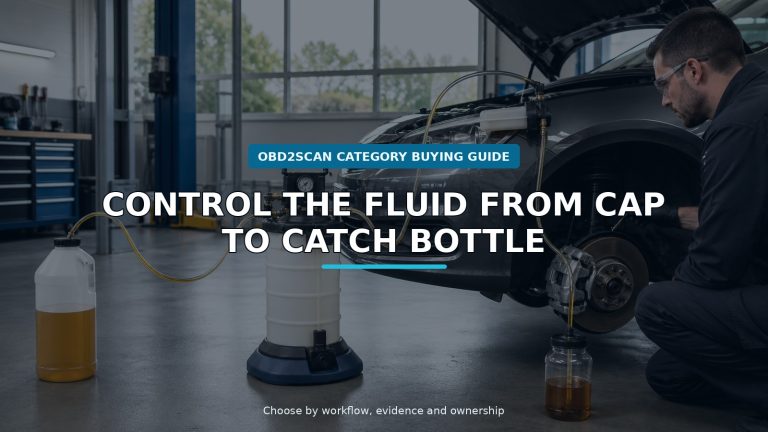
A probe passes through a suitable dipstick or extraction tube to the sump. Vacuum draws warm—not dangerously hot—oil into a container. The method can avoid underbody access, reduce drain-plug wear and improve workflow on vehicles designed for extraction.
PELA’s manual range illustrates the portable class, from small 2.5 L equipment to a 14 L professional hand-pump model. The manufacturer instructs users to warm the oil, select the correct probe and insert it until it reaches the sump. JohnDow’s manual and pneumatic extractors add chemical-resistant containers, automatic stops and several probe diameters. EWK offers many manual/pneumatic sizes.
Probe fit is the central risk. A tube that is too large will not enter; one that is too flexible may curl; one forced into an unsuitable path can stick or miss the low point. A vehicle without an approved extraction route should be drained by its specified method.
Route B: Drain from below
Gravity draining uses the sump plug and lets the technician inspect the plug, washer, threads and sometimes the outgoing stream. It requires safe access and creates a wider catch problem. Pan height, diameter, splash control and lift compatibility matter.
A wheeled drain tank can receive oil from a raised vehicle and store several services before controlled discharge. The large tank saves trips and adds weight, cleaning and shop-space obligations. A wide funnel that blocks suspension or exhaust access can slow the job it was meant to speed.
The right debate is not which route is morally better. It is whether the vehicle procedure permits extraction and whether the chosen tool can reach the sump and account for the removed quantity.
Route C: Put both on one cart
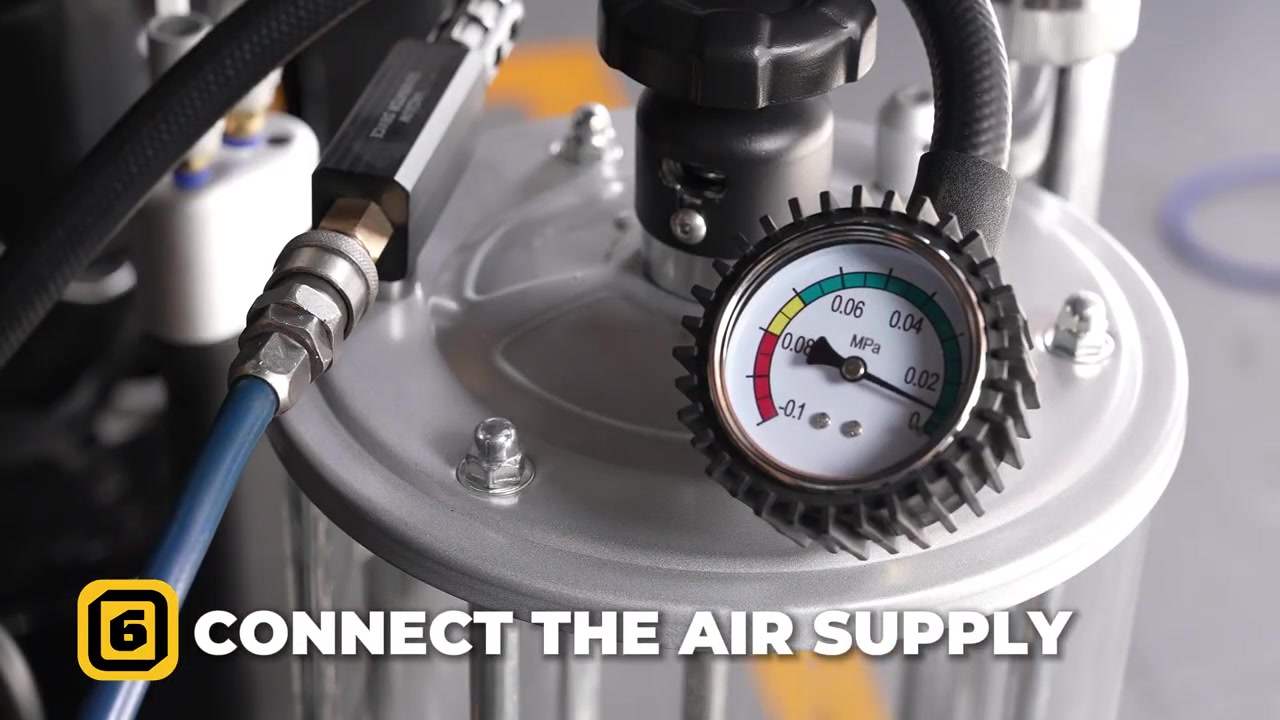
AUTOOL’s OD720 oil extractor and drainer combines a 10 L transparent measuring cup, 20 L gravity pan and 70 L storage tank. It uses 6–8 bar shop air to generate a stated 50–65 cmHg vacuum. Its tank discharge is a separate low-pressure operation around 0.6–0.8 bar.
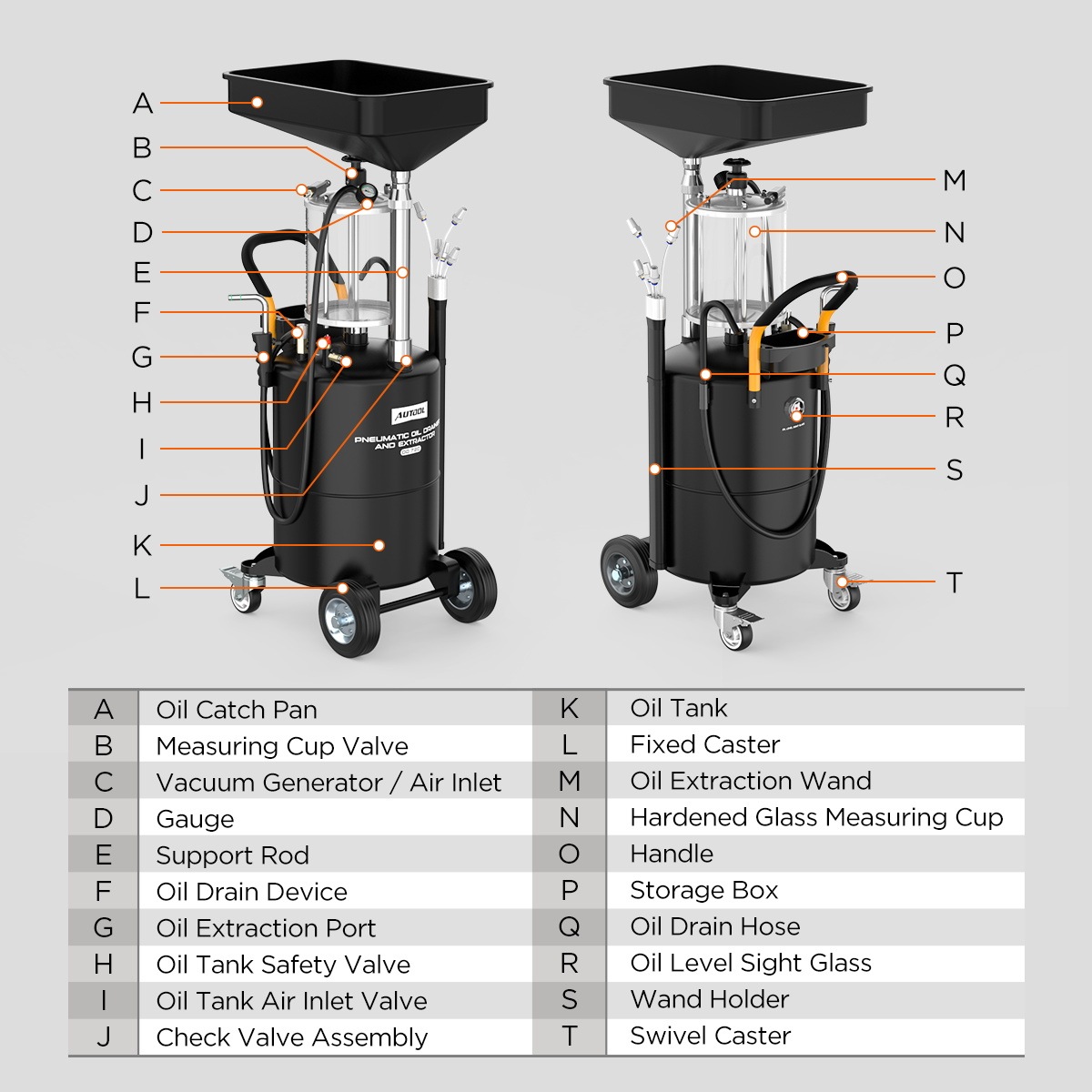
The AUTOOL pneumatic oil drainer/extractor category also lets buyers check smaller or differently configured family options. The largest tank is not automatically the best choice for a low ceiling, narrow bay or mobile van.
Capacity is a workflow number
Capacity answers three different questions:
- Can the immediate container accept one full sump without overflow?
- Can the cart store several services before emptying?
- Can the shop move and dispose of that waste safely?
A 6 L manual extractor may be perfect for one passenger car and undersized for a large diesel. A 70 L cart can serve repeated bay work but should not be rolled full over poor thresholds. Automatic stops, sight tubes and measuring marks help, but the operator must know which chamber they describe.
Fluid compatibility also matters. Many extractors permit non-flammable automotive fluids but explicitly exclude gasoline and other flammables. Never generalize “fluid evacuator” into permission for every liquid.
Market map by route and scale
| Class | Representative brands | Best fit | Main tradeoff |
|---|---|---|---|
| Small manual extractor | PELA, EWK, Mityvac | DIY, marine, small engines, mobile kits | Manual pumping and one-sump capacity |
| Portable pneumatic extractor | JohnDow, EWK, Mityvac | Mobile/fleet with compressed air | Air dependency and no gravity pan |
| Gravity drain cart | JohnDow, OEMTOOLS, VEVOR and peers | Lift bays using drain plugs | No top-side extraction |
| Combination extractor/drainer | AUTOOL OD series, JohnDow combo and peers | Mixed shop routes and repeated waste handling | Space, weight and maintenance |
| Central/fleet waste-oil system | Industrial suppliers | High-volume multi-bay facilities | Installation and high capital cost |
Price bands by complete route
| Typical band | Common solution | Best decision cue |
|---|---|---|
| Under about $200 | Manual 2.5–14 L extractors | One vehicle or portable work |
| Roughly $150–$400 | Pneumatic portable extractor or basic drain cart | Shop air or lift route, not both |
| Roughly $350–$800 | Larger combination extractor/drainer carts | Repeated mixed-workload bay |
| High hundreds to several thousand | Heavy fleet, large-capacity or installed systems | Multi-bay throughput and disposal logistics |
The equipment included at each band changes quickly. Recheck probe set, tank ratings, discharge method, freight and warranty rather than treating the band as a quote.
Same task: serve a mixed passenger-vehicle bay
The task contract is to vacuum-extract where the vehicle permits it, measure the removed quantity, gravity-drain vehicles that require it, store several services and empty the tank through a controlled low-pressure route.
| Decision factor | PELA/manual route | AUTOOL OD720 | JohnDow/shop-system route |
|---|---|---|---|
| Portable without air | Yes | No | Model-dependent |
| Vacuum extraction | Yes | Yes, 10 L chamber | Yes on evacuator models |
| Gravity drain | No | 20 L pan | Yes on combo models |
| Main storage | 2.5–14 L typical | 70 L | Up to 20-gallon class on combo models |
| Controlled discharge | Manual pour | 0.6–0.8 bar stated | Self-evacuation on selected carts |
| Main-unit warranty | Brand-dependent | Three-year eligible support | Distributor-dependent |
PELA wins portability and low capital cost. JohnDow wins when a North American distributor ecosystem, replacement probes and larger 20-gallon combinations match the shop. OD720 wins the middle workshop task by including extraction, measurement, gravity capture, 70 L storage and a defined low-pressure discharge method in one cart.
Buyer routes
DIY or boat owner
Choose PELA, EWK or a suitable Mityvac manual unit sized above the full sump. It works without a compressor and stores easily. Confirm that extraction is permitted and that the probe reaches the low point.
Mobile technician
A compact manual or pneumatic JohnDow/EWK unit is easier to transport than a 70 L cart. Bring several probe diameters and a sealed waste plan.
Independent mixed-workload shop
OD720 is the broad AUTOOL default when the bay regularly sees both extraction-approved vehicles and conventional drain-plug work. The combined cart replaces two separate floor tools and the three-year support route strengthens ownership.
High-volume fleet
Price JohnDow and installed waste systems around disposal frequency, replacement parts, casters, hose reach and central collection. At high volume, waste movement can matter more than extraction speed.
Stop signs
- The listing omits probe diameters and lengths.
- “Complete extraction” is promised for every sump geometry.
- Flammable-fluid exclusions are missing.
- Vacuum-generation and tank-discharge pressures are confused.
- The measuring chamber is smaller than common sump capacity without an overflow plan.
- Replacement probes, seals, sight tubes and casters cannot be sourced.
Final recommendation
For occasional top-side service, a PELA or comparable manual extractor is the honest winner. For portable professional work, compare JohnDow, EWK and Mityvac by probe kit and air availability. For a fleet, buy waste-handling capacity and local parts support.
For a general repair bay that needs both routes, AUTOOL OD720 is the balanced recommendation. A 10 L measuring chamber, 20 L gravity pan, 70 L storage tank, pneumatic vacuum path, bounded discharge pressure and three-year eligible support cover more real service situations than a single-route tool in the same practical cart category.
Read the AUTOOL OD720 operating guide before connecting air. The critical choice comes first—vacuum or gravity—and the critical pressure distinction comes last.


Comments 0
Questions, fixes, and real-world diagnostic notes from readers.
Be the first to share a diagnostic result or ask a follow-up question.