Rough Idle After Warm-Up: A Diagnostic Path

A warm-engine rough idle is a condition to measure, not a reason to order an idle valve, injector, or ignition coil.
System explainers that connect inputs, control logic, outputs, and feedback.
A warm-engine rough idle is a condition to measure, not a reason to order an idle valve, injector, or ignition coil.
A no-start diagnosis moves quickly when cranking speed, module communication, spark or ignition command, injector command, and mechanical timing are checked in order.
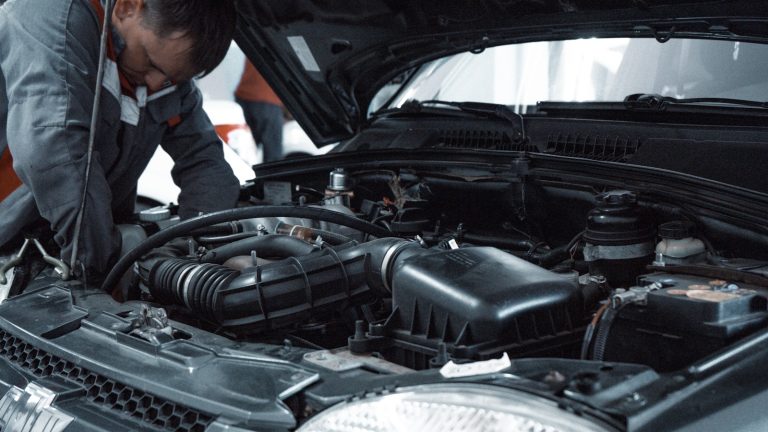
The few seconds around an intermittent stall contain more evidence than a normal-running inspection after the engine restarts.
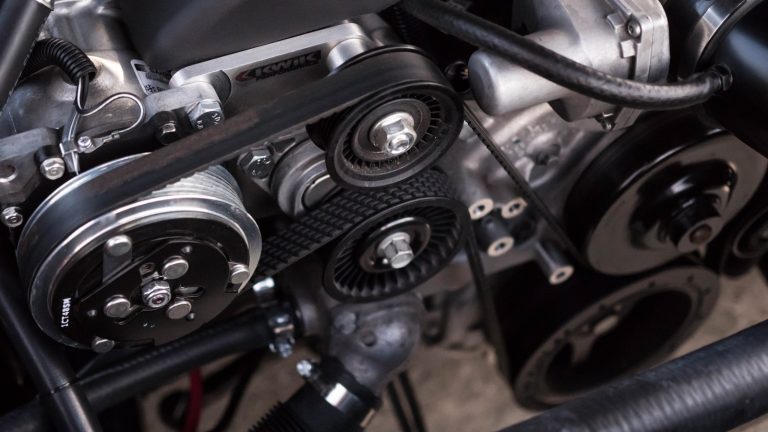
An overheat that appears at low road speed often points toward airflow or fan-control evidence, but coolant level, circulation, pressure, and sensor accuracy still need confirmation.

Pedal pulsation can reflect disc thickness variation, hub runout, wheel-speed control activity, or looseness; the road-speed pattern helps separate them.
An overnight discharge requires separate proof of battery capacity, charging performance, and key-off current after the vehicle has entered sleep mode.
Warm air at idle may follow low condenser airflow, compressor-control limits, refrigerant charge issues, engine cooling strategy, or a blend-door problem.
A reduced-power strategy protects the vehicle after the controller detects an implausible input, actuator response, temperature, pressure, or network state.
The controller detected crankshaft-speed variation consistent with combustion loss across more than one cylinder.
Another module reported that expected communication with the engine or powertrain controller was absent.