UNDERSTAND THE PROBLEM
Problem Library
Connect symptoms, standard questions, codes, components, and vehicle systems.
BROWSE THE DIRECTORY
Choose a starting point
Symptoms
Plain-English symptom explainers linked to the systems and tests that can separate likely causes.
8 guides 02Standard Questions
Clear answers to common diagnostic and repair questions, with practical limits and next steps.
5 guides 03Trouble Codes
Code definitions explained as monitoring results rather than automatic parts verdicts.
10 guides 04Components
Component-focused guides that distinguish power, ground, signal, command, and mechanical faults.
9 guides 05Systems
System explainers that connect inputs, control logic, outputs, and feedback.
10 guidesRECENTLY ADDED
From this section
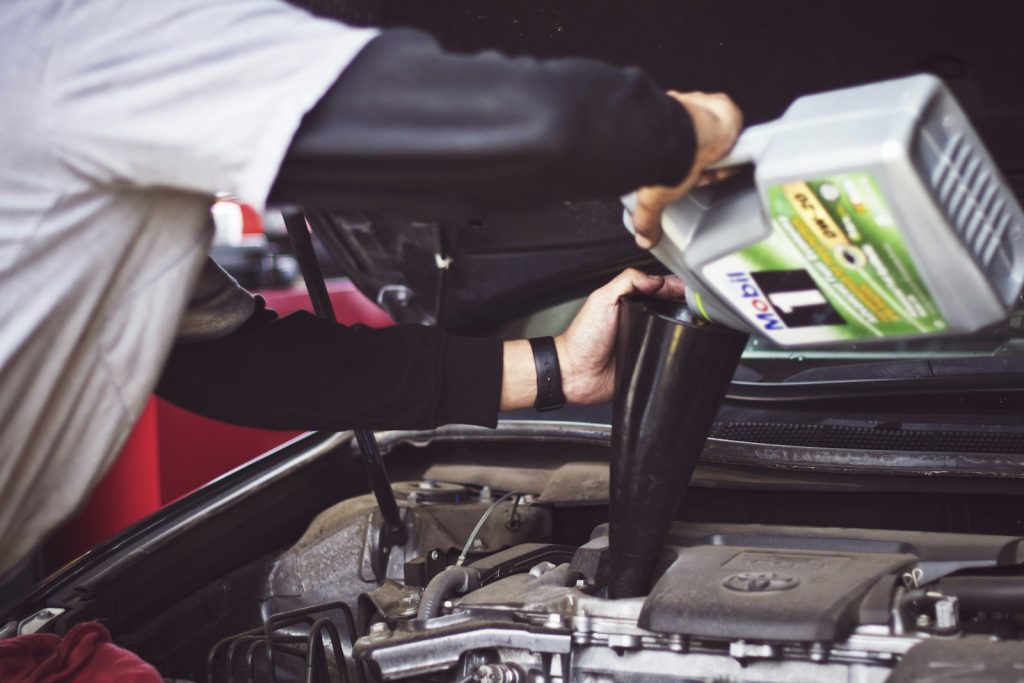
Rough Idle After Warm-Up: A Diagnostic Path
A warm-engine rough idle is a condition to measure, not a reason to order an idle valve, injector, or ignition coil.
Read guideCranks but Will Not Start: The First Five Checks
A no-start diagnosis moves quickly when cranking speed, module communication, spark or ignition command, injector command, and mechanical timing are checked in order.
Read guide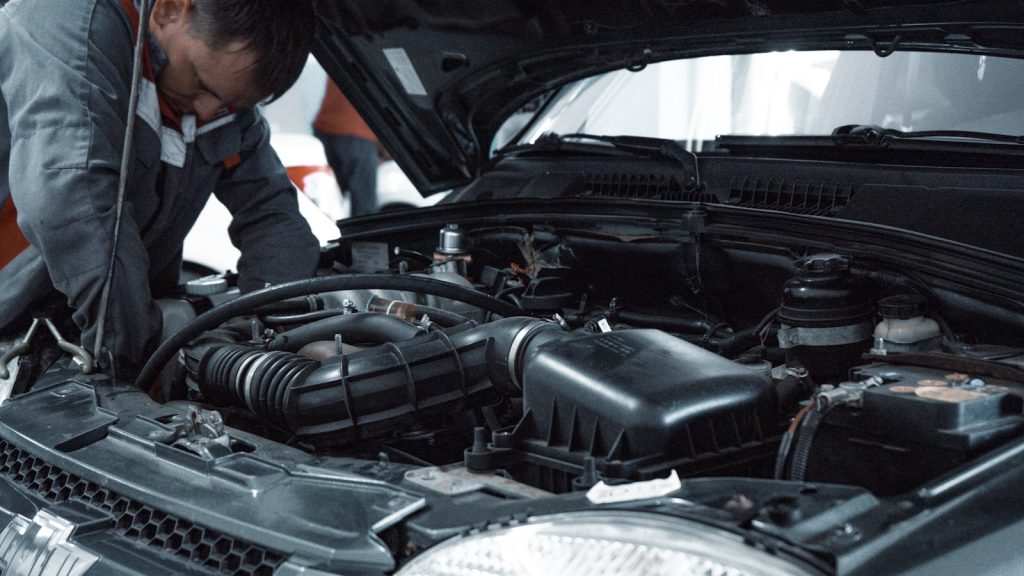
Intermittent Stall: What to Log Before Restarting
The few seconds around an intermittent stall contain more evidence than a normal-running inspection after the engine restarts.
Read guide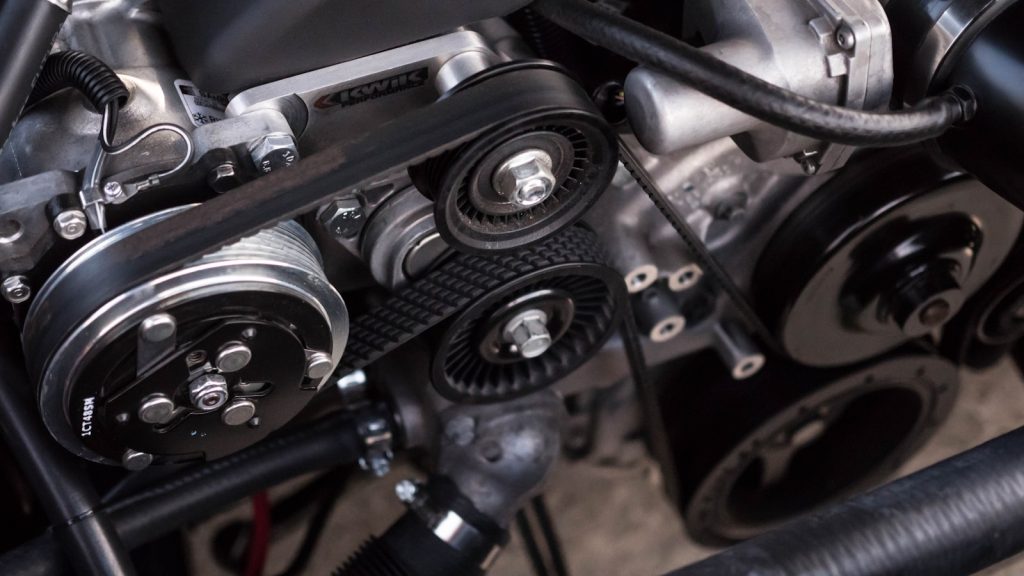
Engine Overheats in Traffic but Not on the Highway
An overheat that appears at low road speed often points toward airflow or fan-control evidence, but coolant level, circulation, pressure, and sensor accuracy still need confirmation.
Read guide
Brake Pedal Pulsation: Speed-Based Checks Before Parts
Pedal pulsation can reflect disc thickness variation, hub runout, wheel-speed control activity, or looseness; the road-speed pattern helps separate them.
Read guideBattery Drains Overnight: A Parasitic-Draw Test Plan
An overnight discharge requires separate proof of battery capacity, charging performance, and key-off current after the vehicle has entered sleep mode.
Read guide