A reduced-power strategy protects the vehicle after the controller detects an implausible input, actuator response, temperature, pressure, or network state.
Why this matters
Cycling the key may restore normal operation and erase the exact operating context. Freeze-frame data and a short parameter recording often explain why the strategy was entered.
Evidence to capture first
- All module codes, status, freeze-frame data, and code-set order
- Accelerator position, throttle command and actual position, boost or load command, temperature, and system voltage
- Driver demand, road speed, engine load, and weather when the warning appeared
A disciplined path
- Save a complete vehicle scan before clearing or disconnecting anything.
- Use code status and freeze frame to identify the first monitored fault, not every secondary message.
- Inspect power, ground, connectors, and service bulletins before commanding actuators.
- After a supported repair, repeat the same load condition and confirm both commanded response and monitor completion.
Decision point
Fail-safe mode is an effect. The repair decision must address the failed plausibility, circuit, or response test that caused it.
Source desk
Use current model-specific service information for specifications, connector locations, disabling procedures, and tightening values. The following public resources support the broader safety or system context used in this guide.
KEEP EXPLORING
Related guides
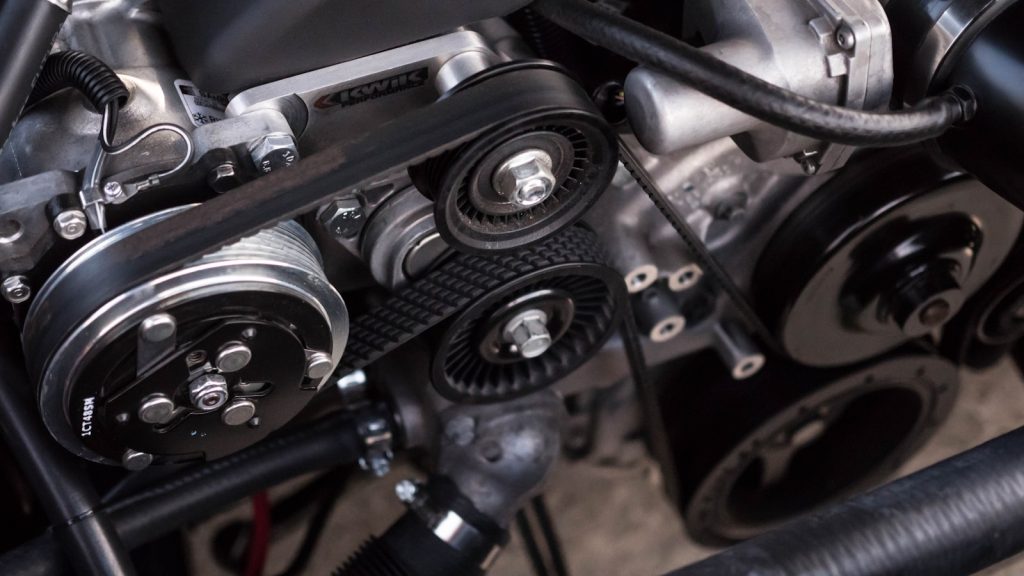
Engine Overheats in Traffic but Not on the Highway
An overheat that appears at low road speed often points toward airflow or fan-control evidence, but coolant level, circulation, pressure, and sensor accuracy still need confirmation.
Read guide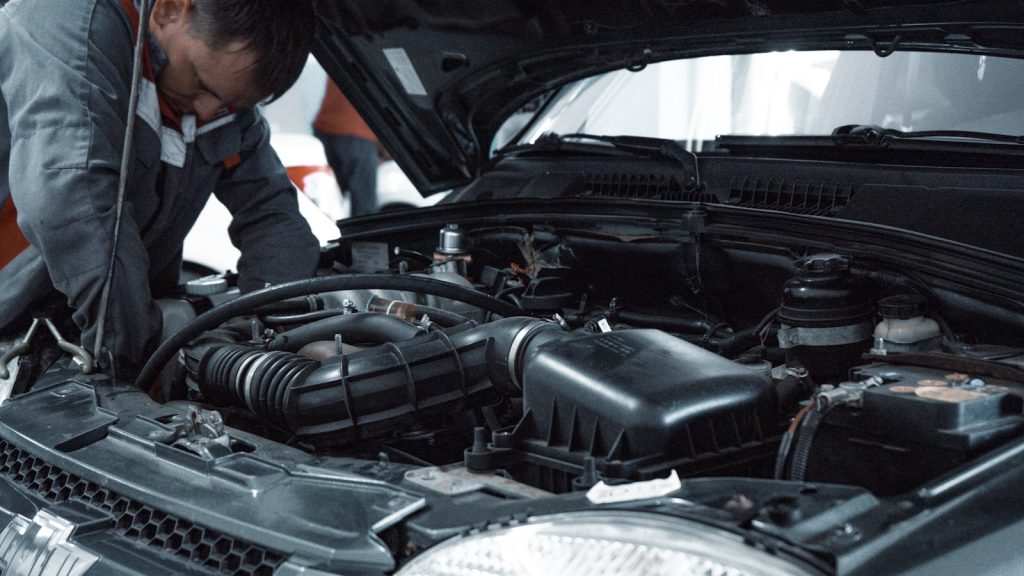
Intermittent Stall: What to Log Before Restarting
The few seconds around an intermittent stall contain more evidence than a normal-running inspection after the engine restarts.
Read guide
A/C Blows Warm at Idle: Diagnostic Checks That Matter
Warm air at idle may follow low condenser airflow, compressor-control limits, refrigerant charge issues, engine cooling strategy, or a blend-door problem.
Read guide