Bluetooth OBD Adapter Category Review: Useful, but Know the Limits

A Bluetooth adapter can be excellent for generic codes, selected live data, and logging when the hardware, app, protocol support, and data handling are transparent.
A Bluetooth adapter can be excellent for generic codes, selected live data, and logging when the hardware, app, protocol support, and data handling are transparent.
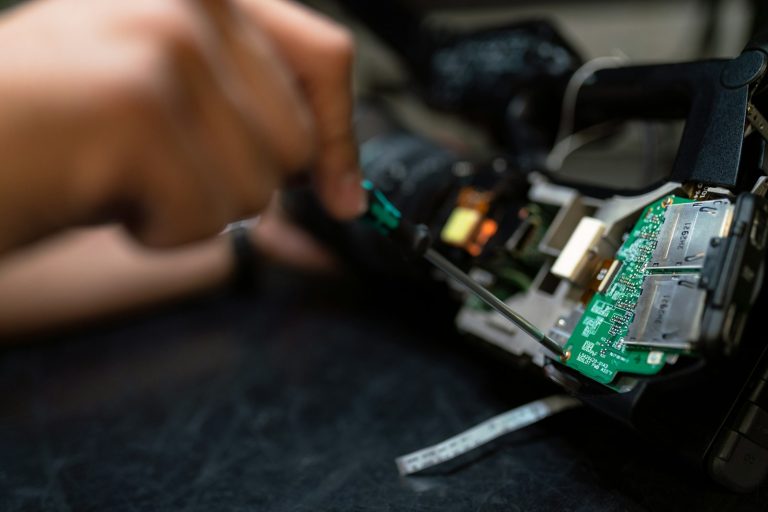
A useful automotive meter needs protected inputs, intact fused current ranges, stable leads, clear display behavior, and functions that match the circuits being tested.
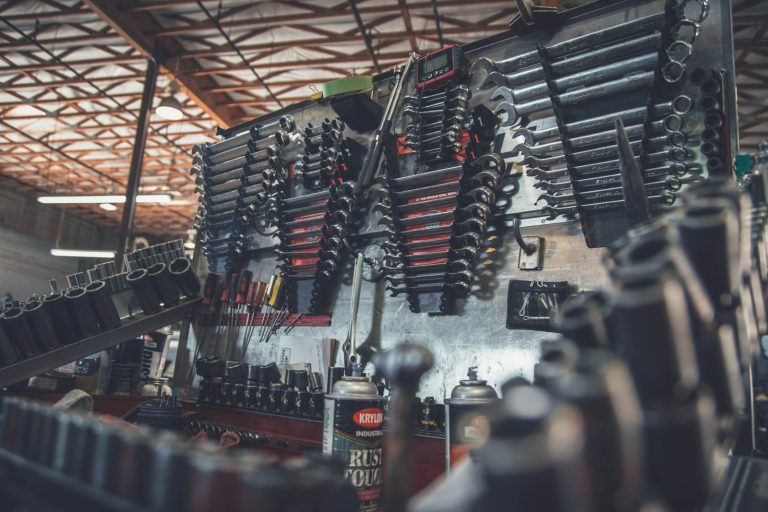
A smoke machine is useful when it provides controlled low pressure, visible flow indication, compatible fluid, safe connections, and a way to protect sensitive systems.
A cordless impact saves time on removal, but size, control, socket quality, battery platform, and access often matter more than the largest advertised breakaway number.

A high-voltage safety kit is only valid when PPE, rated test instruments, proving equipment, barriers, rescue planning, inspection records, and technician authorization work together.
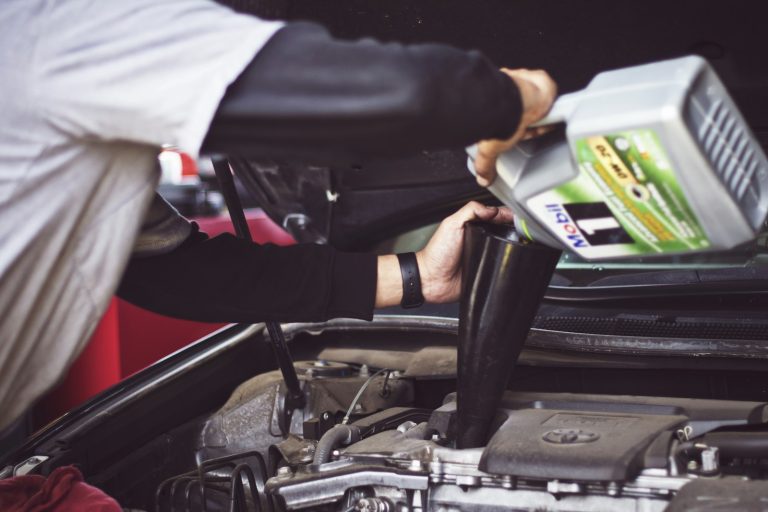
A code reader retrieves a useful slice of emissions data; a bidirectional tool may access more modules, commands, service functions, topology, and manufacturer data—but coverage must be verified.
A meter measures voltage precisely with little circuit loading; a correctly selected test light can show whether a circuit supports some current. Neither replaces the other.
Smoke helps locate where a sealed system leaks; pressure or vacuum decay quantifies whether it holds. Valve state and allowable pressure determine whether either result is valid.

Ramps can offer stable access for some level-ground service; a jack and correctly placed stands allow wheel removal and suspension access but add setup and placement risks.
A conventional multimeter measures voltage and low-energy resistance; an insulation tester applies a controlled higher test voltage to evaluate isolation. They answer different questions.