Automotive Smoke Machine Category Review: Pressure Control First
A smoke machine is useful when it provides controlled low pressure, visible flow indication, compatible fluid, safe connections, and a way to protect sensitive systems.
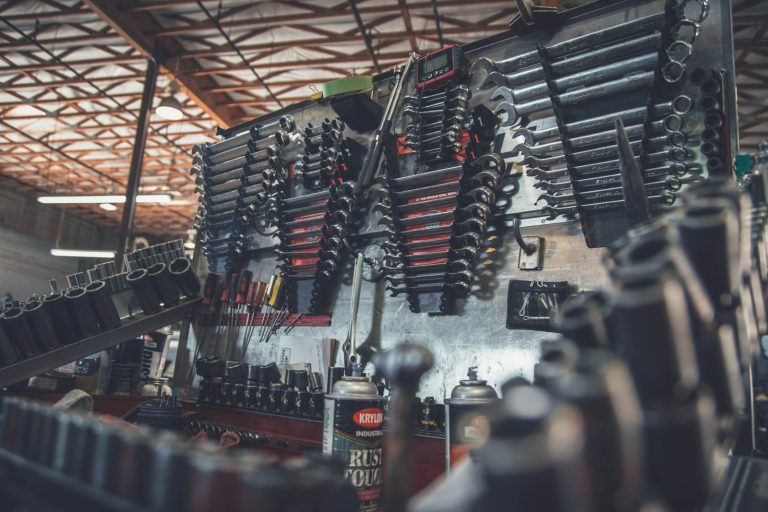
Hand, power, lifting, torque, and workshop tools used to complete repairs correctly.
A smoke machine is useful when it provides controlled low pressure, visible flow indication, compatible fluid, safe connections, and a way to protect sensitive systems.
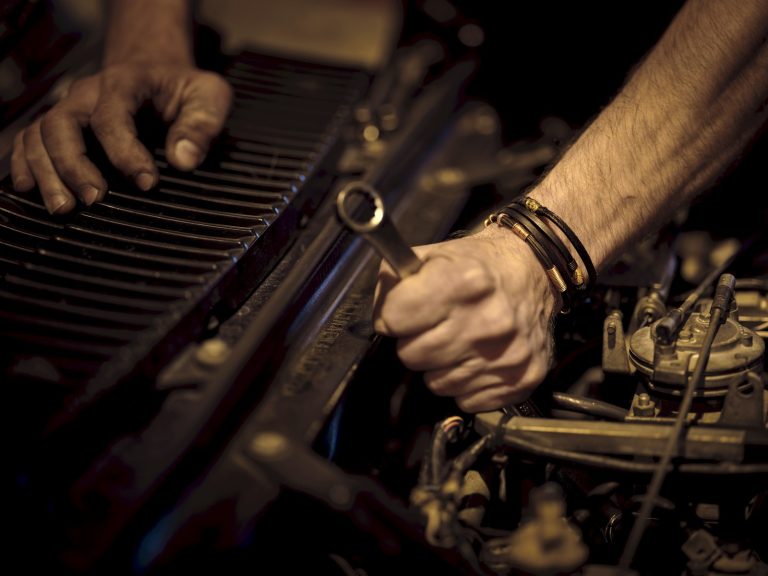
A cordless impact saves time on removal, but size, control, socket quality, battery platform, and access often matter more than the largest advertised breakaway number.
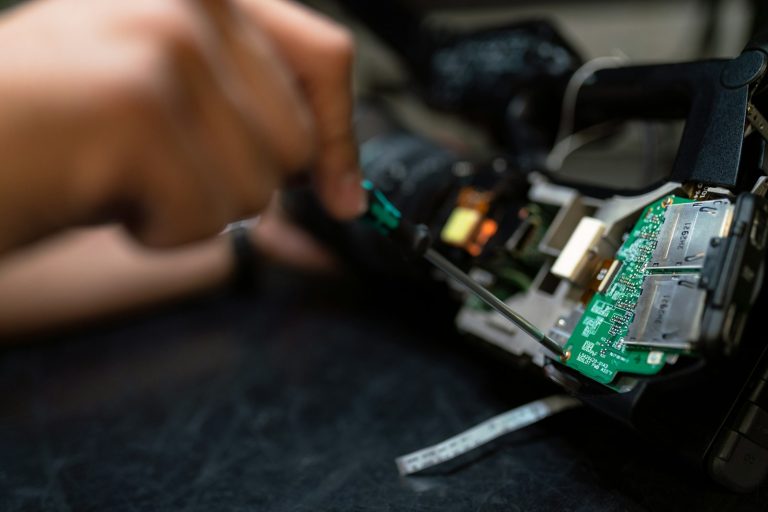
A meter measures voltage precisely with little circuit loading; a correctly selected test light can show whether a circuit supports some current. Neither replaces the other.
Smoke helps locate where a sealed system leaks; pressure or vacuum decay quantifies whether it holds. Valve state and allowable pressure determine whether either result is valid.

Ramps can offer stable access for some level-ground service; a jack and correctly placed stands allow wheel removal and suspension access but add setup and placement risks.
System diagram and pressure limit;Throttle, PCV, purge, brake-booster, and crankcase paths;Smoke flow and exact exit point
Tool range and target points;Repeated readings;Direction and adapter setup;Calibration date and handling history
A torque wrench works when the correct range, units, fastener condition, sequence, extension geometry, and smooth pull match the service procedure.
Vehicle diagrams, load balance, adapter shape, battery location, underbody panels, rust, and task access all influence safe lifting.