Reading Spark Plugs: What Deposits Can—and Cannot—Tell You

Spark plugs are evidence. Photograph them in cylinder order and combine their appearance with fault codes, fuel trims, compression, and operating history.
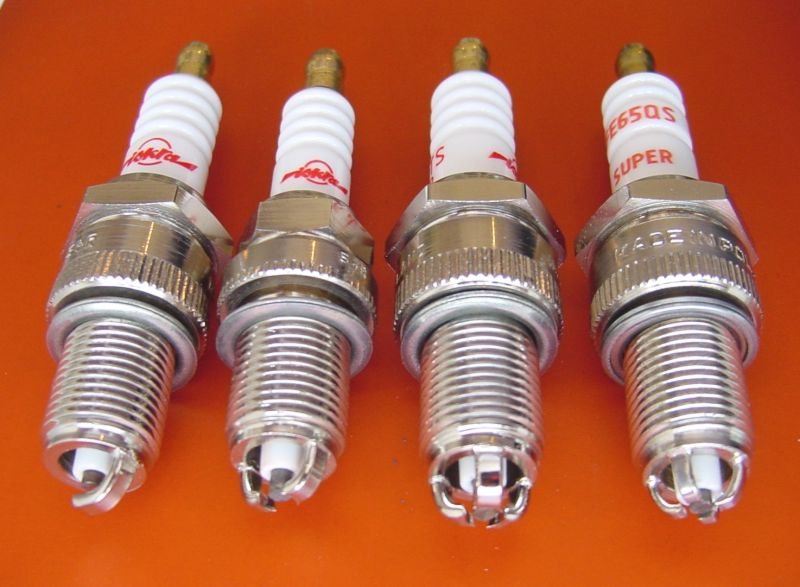
What common appearances may suggest
| Appearance | Possible clues | Important caveat |
|---|---|---|
| Dry black deposits | Rich operation, weak ignition, excessive idling, cold running | Short trips and a recently corrected fault can leave old evidence |
| Wet with fuel | No combustion, flooding, injector issue, weak spark | Cranking during testing can wet a healthy cylinder |
| Oily deposit | Oil entering the chamber or plug well | Confirm whether oil is on the firing tip or only outside the shell |
| Very light, blistered, or damaged | Overheating, incorrect plug, abnormal combustion | Stop and investigate before heavy-load operation |
| One plug unlike the rest | Cylinder-specific injector, ignition, sealing, or cooling issue | Keep every plug labeled by cylinder |
A clean removal process
- Work on a suitably cool engine and clean debris around each plug.
- Label coils, wires, and plugs by cylinder.
- Inspect the boot and well for oil, water, and carbon tracking.
- Compare part number, reach, heat range, gap, and washer condition with specifications.
- Use the required installation method and torque; over-tightening can damage threads or the plug.
Mini case study: one dark plug
If seven plugs look similar and one is dark, do not replace all injectors. Check that cylinder’s coil, injector command and leakage, compression, plug well, and misfire counts. The difference between cylinders is the useful clue.
Can I clean and reuse a fouled plug?
Follow the plug and vehicle manufacturer’s guidance. Cleaning may hide evidence, alter delicate coatings, or leave a plug that fails under load. Correct the root cause before installing serviceable plugs.
Does plug color prove the air-fuel ratio?
No. Modern fuels, ignition systems, driving cycles, and previous faults make visual reading less definitive. Treat appearance as one data point, not a standalone measurement.



Comments 0
Questions, fixes, and real-world diagnostic notes from readers.
Be the first to share a diagnostic result or ask a follow-up question.