What a Proper Wheel and Tire Service Should Include

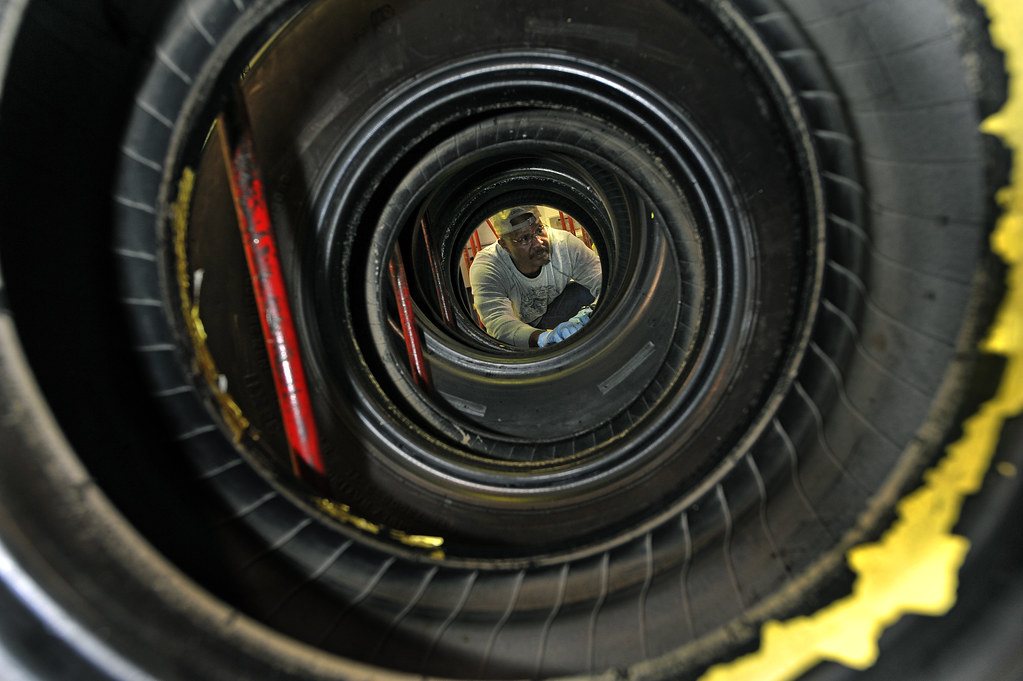
A quality tire service protects the bead, confirms wheel condition, uses correct fastening procedures, and documents anything that could affect safety or vibration.
Four phases of the job
1. Inspect
Confirm size, load and speed ratings, rotation direction, wheel damage, valve condition, tire age, and the reason for replacement.
2. Mount
Use approved lubricant and equipment, protect sensors and finishes, align balance marks where specified, and avoid exceeding seating limits.
3. Balance
Clean mounting surfaces, center the assembly correctly, check runout when needed, and choose weights suitable for the wheel.
4. Verify
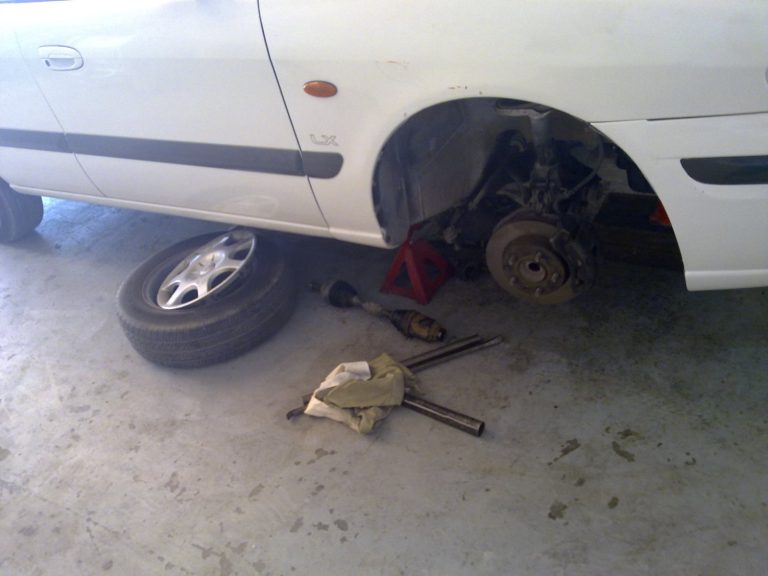
Set cold pressure, torque fasteners in sequence, relearn monitoring systems if required, and road-test for vibration or pull.
| Complaint | Service check | Possible follow-up |
|---|---|---|
| Shake at highway speed | Balance, centering, runout, debris | Road-force measurement or wheel/tire match mounting |
| Pull after new tires | Pressure, tire conicity, size, installation | Swap test, alignment and suspension inspection |
| Slow pressure loss | Tread puncture, bead, valve, wheel porosity/crack | Approved repair or component replacement |
| TPMS warning | Pressure, sensor communication, relearn status | Scan diagnosis and sensor service |
Customer pickup checklist
- Confirm the installed size and direction.
- Ask for final cold pressures and wheel torque specification.
- Check that the monitoring warning is off.
- Review any wheel, brake, or suspension concerns found.
- Know whether a torque recheck is recommended for the wheel type.
Can every tread puncture be repaired?
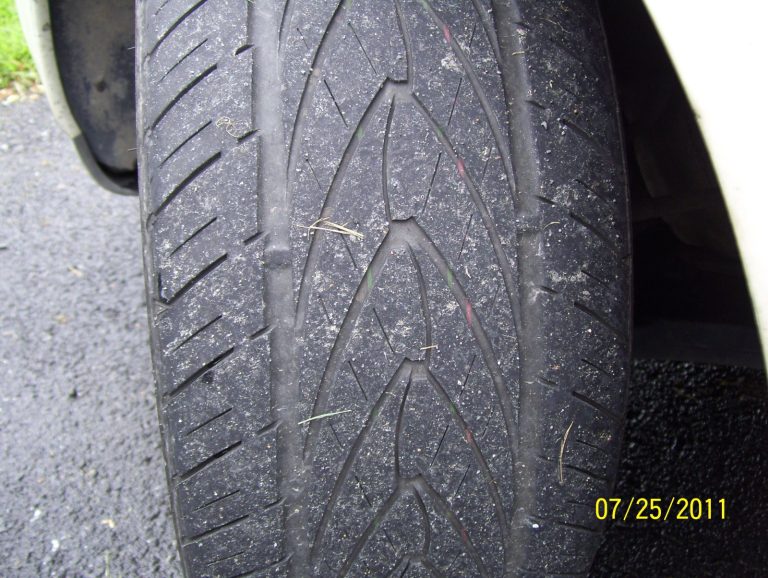
No. Repairability depends on puncture location, size, angle, internal damage, tire construction, previous repairs, and industry/manufacturer limits. An exterior plug alone is not a complete internal inspection.


Comments 0
Questions, fixes, and real-world diagnostic notes from readers.
Be the first to share a diagnostic result or ask a follow-up question.