Brake Noise Decoder: Squeal, Grinding, Pulsing, and What They Mean

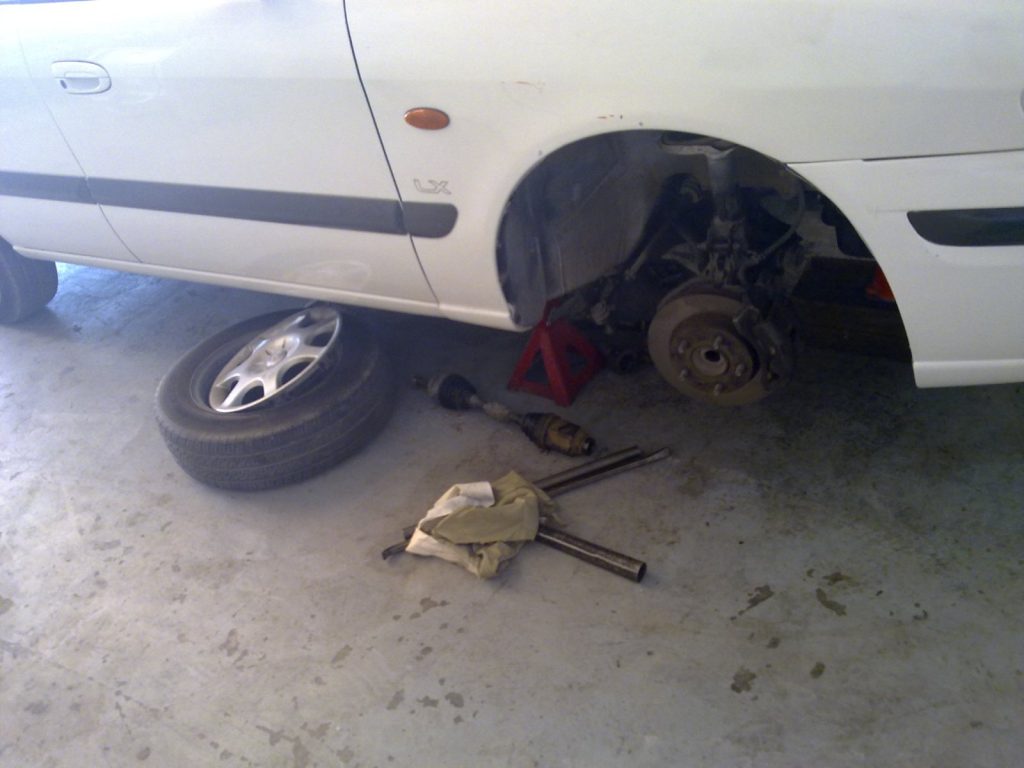
Listen to when the sound occurs: the first stop of the morning, light pedal pressure, hard braking, turning, or even when the pedal is released.
High-pitched squeal
Possible clues include a wear indicator touching the rotor, glazed friction material, surface rust, or vibration between the pad and caliper. Inspection is still required; sound alone cannot measure remaining pad thickness.
Harsh grinding
Treat persistent grinding as urgent. Worn friction material may allow metal-to-metal contact, although a stone, backing plate, or severely rusted surface can produce a similar noise.
| Symptom | Possible area | Priority |
|---|---|---|
| Pedal pulsation during braking | Rotor variation, hub runout, ABS activation, loose components | Inspect soon |
| Vehicle pulls while braking | Caliper, hose, tire, alignment, or suspension issue | Prompt diagnosis |
| Soft or sinking pedal | Hydraulic leak, air, adjustment, or master-cylinder fault | Stop and inspect |
| Brake warning lamp | Fluid level, parking brake, hydraulic or electronic fault | Follow the owner’s manual immediately |
A useful inspection sequence
- Confirm wheel nuts are correctly tightened before testing.
- Inspect fluid level and look for external leaks without opening a hot engine compartment unnecessarily.
- Measure inner and outer pad thickness; uneven wear matters.
- Inspect both rotor faces, caliper slides, boots, hoses, and mounting hardware.
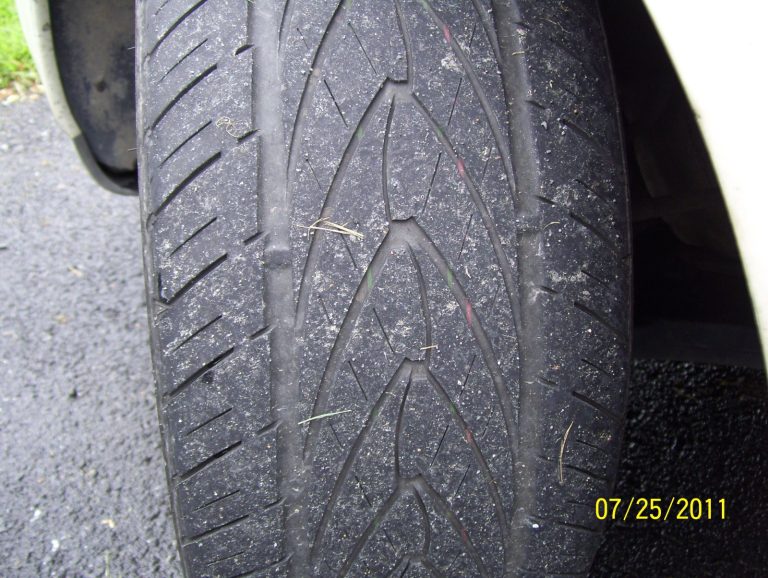
- Check tire condition and suspension play if the vehicle pulls or vibrates.
- Use the correct bedding and torque procedure after repairs, then verify pedal feel before road testing.
Do not road-test an unsafe pedal
If the pedal goes unusually low, braking force is reduced, fluid is leaking, or a wheel is loose, do not drive the vehicle. Arrange professional inspection or towing.
Brake specifications differ by vehicle. Minimum thickness, fastener torque, fluid type, and electronic parking-brake procedures must come from the correct service information.


Comments 0
Questions, fixes, and real-world diagnostic notes from readers.
Be the first to share a diagnostic result or ask a follow-up question.