Pedal pulsation can reflect disc thickness variation, hub runout, wheel-speed control activity, or looseness; the road-speed pattern helps separate them.
Why this matters
Calling every pulsation a warped rotor skips the measurements that explain why a new rotor may develop the same complaint again.
Evidence to capture first
- Whether pulsation follows wheel speed, only appears during ABS operation, or changes with brake temperature
- Disc thickness at indexed points and lateral runout at the installed rotor
- Hub-face condition, wheel-bearing play, wheel fastener condition, and tightening history
A disciplined path
- Inspect tires, wheels, suspension, and brake hardware before road testing.
- Measure disc thickness and runout with clean mounting surfaces and calibrated tools.
- Compare wheel-speed data only when the symptom suggests unwanted stability or ABS intervention.
- Correct the cause, tighten wheels in the specified pattern, then verify at the original speed and brake temperature.
Decision point
Resurfacing or replacing a disc is justified by measurement and remaining thickness, not pedal feel alone. Hub runout and fastener practice must be addressed first.
Source desk
Use current model-specific service information for specifications, connector locations, disabling procedures, and tightening values. The following public resources support the broader safety or system context used in this guide.
KEEP EXPLORING
Related guides
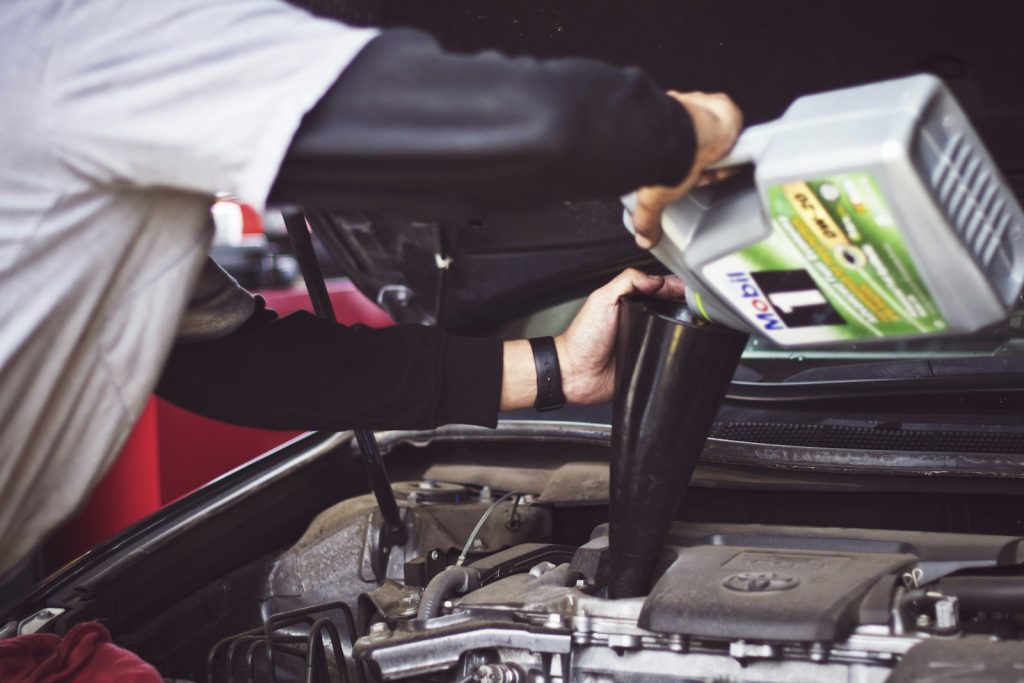
P0300 Random/Multiple-Cylinder Misfire: Meaning and Tests
The controller detected crankshaft-speed variation consistent with combustion loss across more than one cylinder.
Read guide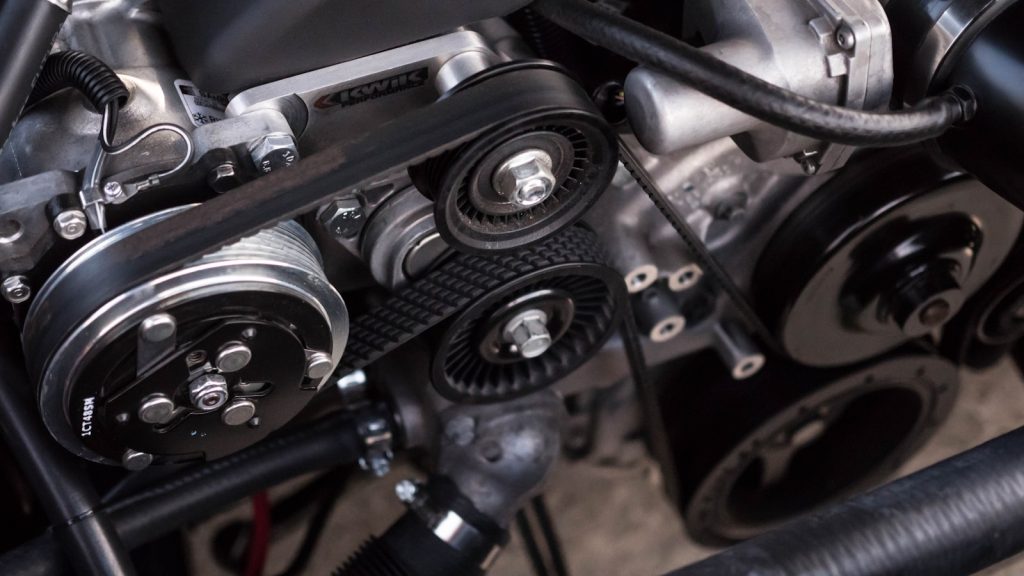
Engine Overheats in Traffic but Not on the Highway
An overheat that appears at low road speed often points toward airflow or fan-control evidence, but coolant level, circulation, pressure, and sensor accuracy still need confirmation.
Read guide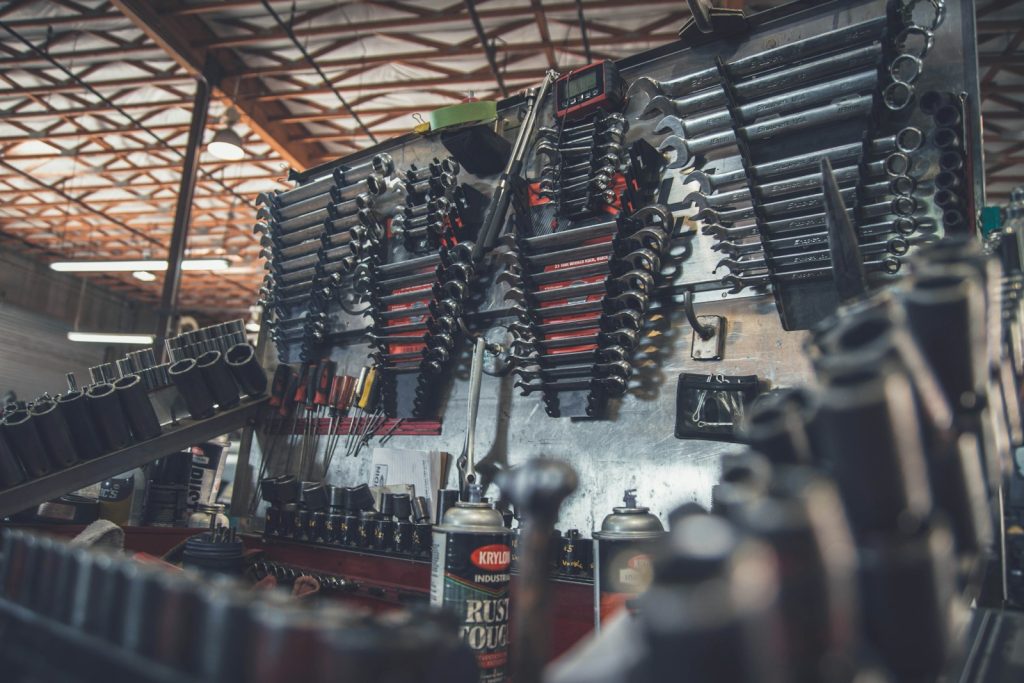
A/C Blows Warm at Idle: Diagnostic Checks That Matter
Warm air at idle may follow low condenser airflow, compressor-control limits, refrigerant charge issues, engine cooling strategy, or a blend-door problem.
Read guide