DIY: Scan and Save Codes Without Clearing Them
A basic scan can preserve valuable evidence when it records every module available, code status, freeze frame, and readiness before any reset.
A basic scan can preserve valuable evidence when it records every module available, code status, freeze frame, and readiness before any reset.

Cold pressure, placard specification, tread measurements across the tire, damage, age, and loading matter more than the number molded as maximum on the sidewall.
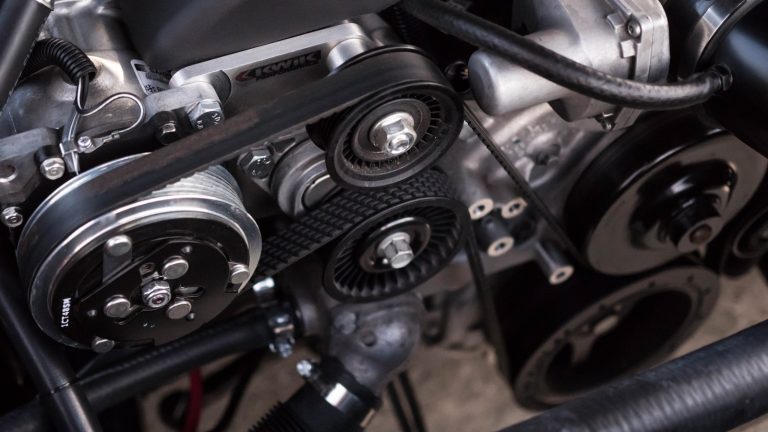
Air-filter service is low risk when debris is controlled, the correct element is fitted, and the housing, duct, clamps, and sensor connections are fully resealed.

Loose or corroded terminals can create starting and communication faults, but battery service also risks short circuits, acid exposure, and lost settings.
Correct blade length, connector fit, service position, and gentle arm handling prevent scratched glass and damaged wiper mechanisms.
An oil service includes correct specification and quantity, filter and sealing parts, leak inspection, level verification, service reset, and a record of operating conditions.
Fluid appearance alone does not establish moisture content, boiling performance, contamination, service interval, or hydraulic component condition.
Coolant color is not a reliable specification. Chemistry, concentration, water quality, fill method, and air bleeding affect corrosion protection and temperature control.
Rotation can even normal wear, but it should not hide an alignment, pressure, suspension, damage, or directional-tire issue.

Temperature extremes expose low state of charge, reduced capacity, poor connections, and marginal charging performance.