Voltage, Current, and Resistance Under Load
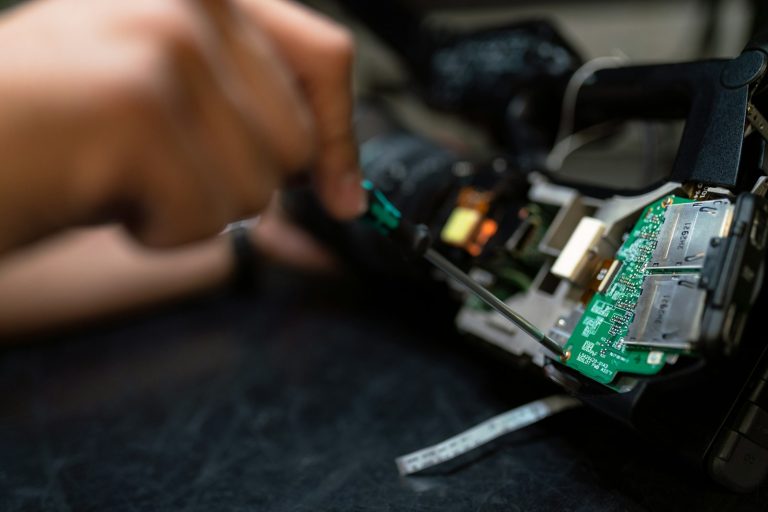
A circuit can show battery voltage with no load and still fail when current must flow. Voltage drop reveals energy lost across resistance during operation.
A circuit can show battery voltage with no load and still fail when current must flow. Voltage drop reveals energy lost across resistance during operation.
Pressure is a result of flow meeting resistance. Fuel, oil, coolant, intake, exhaust, hydraulic, and refrigerant systems all become clearer when those three ideas are separated.
Modern controllers command an output, watch feedback, and adjust. Diagnosis compares all three rather than judging one sensor number.
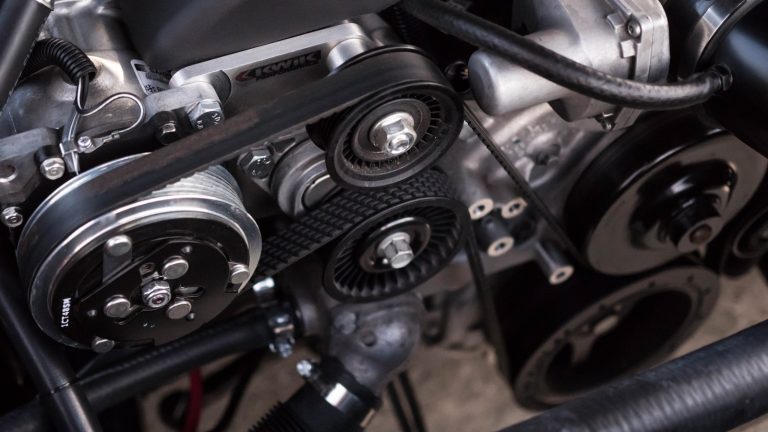
Heat moves by conduction, convection, and radiation. Temperature difference, airflow, fluid flow, surface condition, and time determine whether a system can reject heat.

A torque wrench measures turning effort; the joint needs clamping force. Thread condition, lubrication, sequence, tool accuracy, and reuse rules change the relationship.
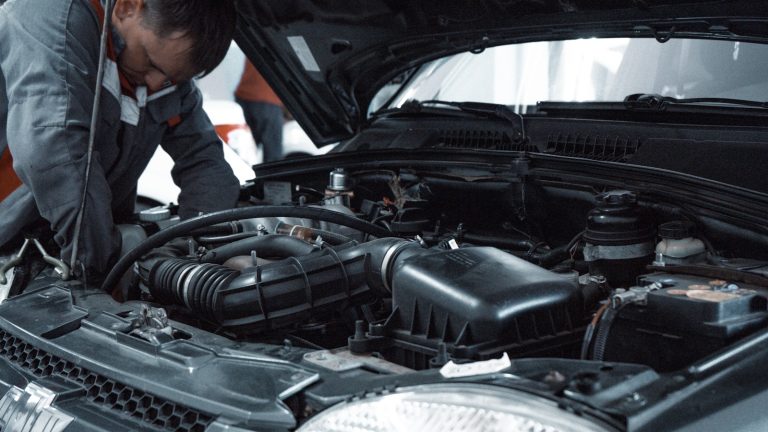
Good diagnosis begins by translating words such as “hesitates,” “dead,” or “vibrates” into an operating condition that another person can reproduce.
Freeze frame is a snapshot near code detection. Its value comes from code status, units, operating state, and relationships between parameters.
Before replacing a component, ask whether it has the right power, ground, input, command, and measurable output or feedback.
Comparing a known-good condition, bank, cylinder, side, speed, temperature, or substituted load can reveal differences without relying on memory.

A cleared lamp is not proof. Verification repeats the complaint conditions, the failed measurement, and any relevant monitor or self-test.