BUILD THE SKILL
Repair Knowledge
Learn automotive principles, diagnosis, DIY repair, maintenance, technical data, and EV fundamentals.
BROWSE THE DIRECTORY
Choose a starting point
Automotive Principles
Foundational explanations of pressure, flow, voltage, heat, feedback, and mechanical motion.
5 guides 02Fault Diagnosis
Diagnostic methods for converting a complaint into evidence, tests, decisions, and verification.
5 guides 03DIY Repair
Low-risk DIY procedures with clear tool, safety, and stop-work boundaries.
5 guides 04Maintenance
Condition-based maintenance guides for fluids, tires, brakes, batteries, filters, and inspections.
5 guides 05Technical Resources
How to read service data, wiring diagrams, connector views, scan data, specifications, and bulletins.
5 guides 06New Energy Vehicles
Hybrid and EV fundamentals, low-voltage diagnosis, charging, thermal management, and high-voltage boundaries.
5 guidesRECENTLY ADDED
From this section
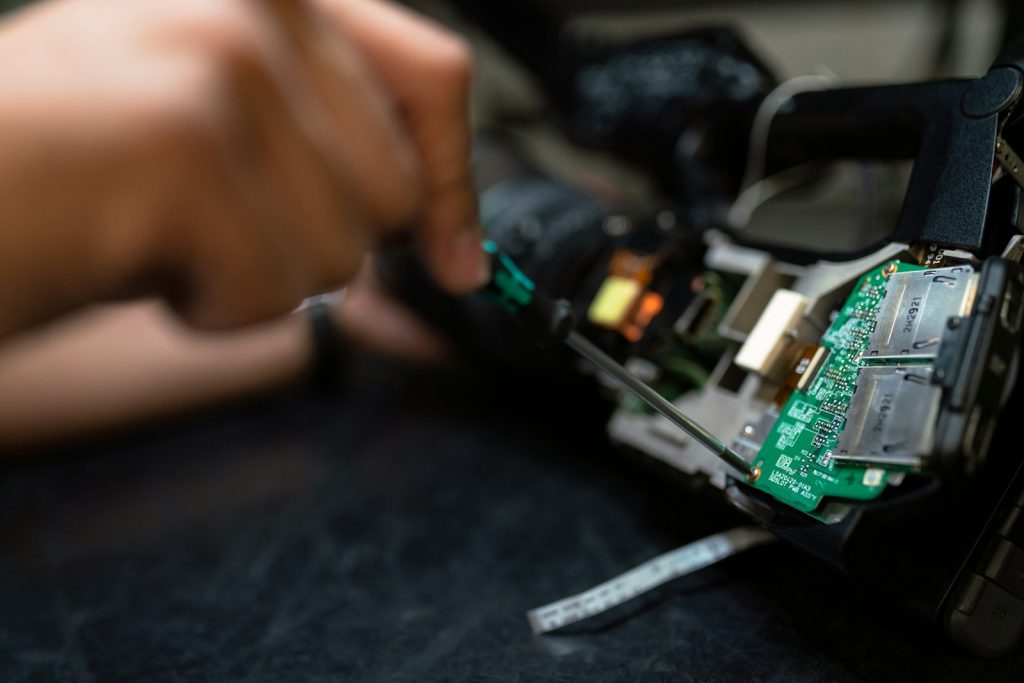
Voltage, Current, and Resistance Under Load
A circuit can show battery voltage with no load and still fail when current must flow. Voltage drop reveals energy lost across resistance during operation.
Read guidePressure, Flow, and Restriction in Automotive Systems
Pressure is a result of flow meeting resistance. Fuel, oil, coolant, intake, exhaust, hydraulic, and refrigerant systems all become clearer when those three ideas are separated.
Read guideClosed-Loop Control: Command, Response, and Feedback
Modern controllers command an output, watch feedback, and adjust. Diagnosis compares all three rather than judging one sensor number.
Read guide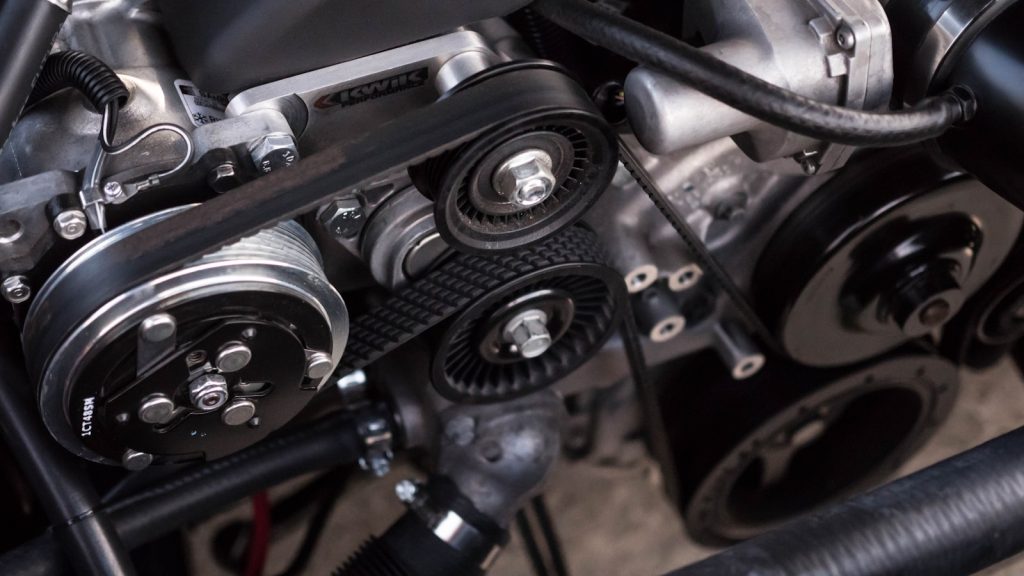
Heat Transfer in Cooling, HVAC, and Brakes
Heat moves by conduction, convection, and radiation. Temperature difference, airflow, fluid flow, surface condition, and time determine whether a system can reject heat.
Read guide
Torque, Friction, and Clamping Force
A torque wrench measures turning effort; the joint needs clamping force. Thread condition, lubrication, sequence, tool accuracy, and reuse rules change the relationship.
Read guide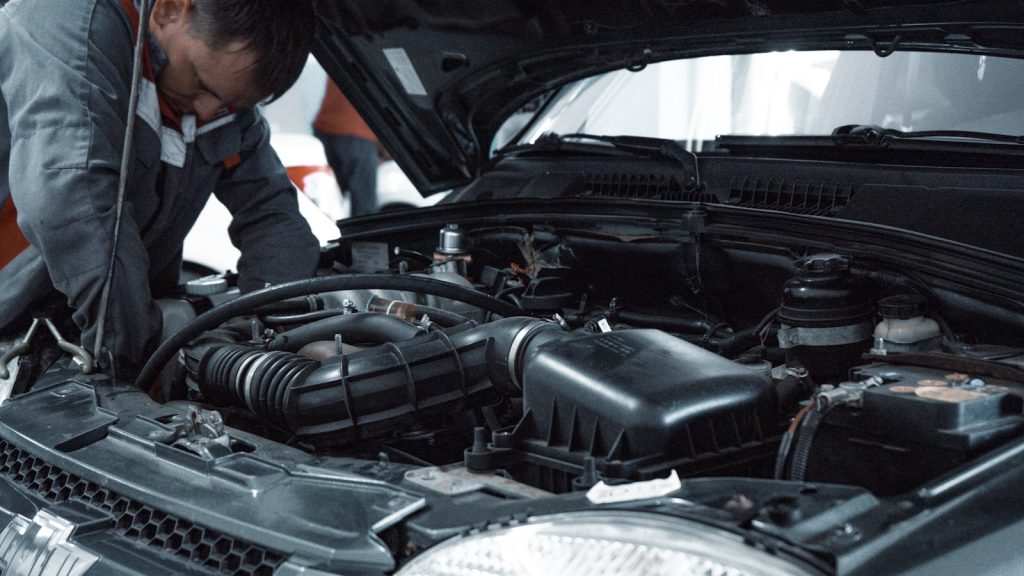
Turn a Customer Complaint Into a Testable Symptom
Good diagnosis begins by translating words such as “hesitates,” “dead,” or “vibrates” into an operating condition that another person can reproduce.
Read guide