A torque wrench measures turning effort; the joint needs clamping force. Thread condition, lubrication, sequence, tool accuracy, and reuse rules change the relationship.
Why this matters
Understanding the system principle makes the test result more useful and reduces unnecessary disassembly or parts replacement.
Evidence to capture first
- Fastener specification and whether it is torque-to-yield
- Thread and seating condition
- Required lubricant or dry state
- Sequence and angle steps
A disciplined path
- Use the exact procedure
- Clean or replace parts as specified
- Set and handle the tool correctly
- Mark staged or angle-tightened fasteners and document completion
Decision point
Never substitute a generic torque chart for a safety-critical model-specific specification.
Source desk
Use current model-specific service information for specifications, connector locations, disabling procedures, and tightening values. The following public resources support the broader safety or system context used in this guide.
KEEP EXPLORING
Related guides
Pressure, Flow, and Restriction in Automotive Systems
Pressure is a result of flow meeting resistance. Fuel, oil, coolant, intake, exhaust, hydraulic, and refrigerant systems all become clearer when those three ideas are separated.
Read guide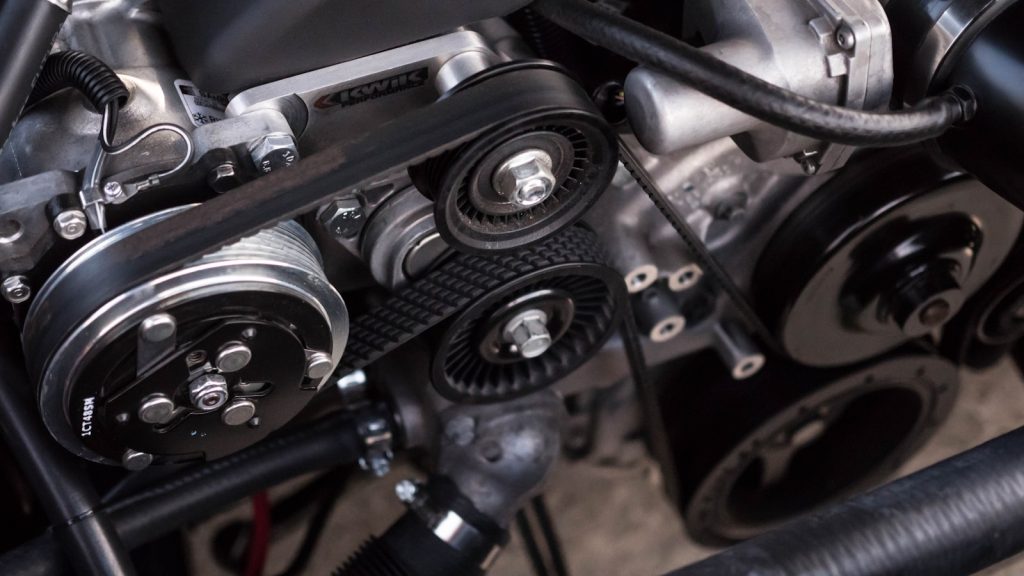
Heat Transfer in Cooling, HVAC, and Brakes
Heat moves by conduction, convection, and radiation. Temperature difference, airflow, fluid flow, surface condition, and time determine whether a system can reject heat.
Read guide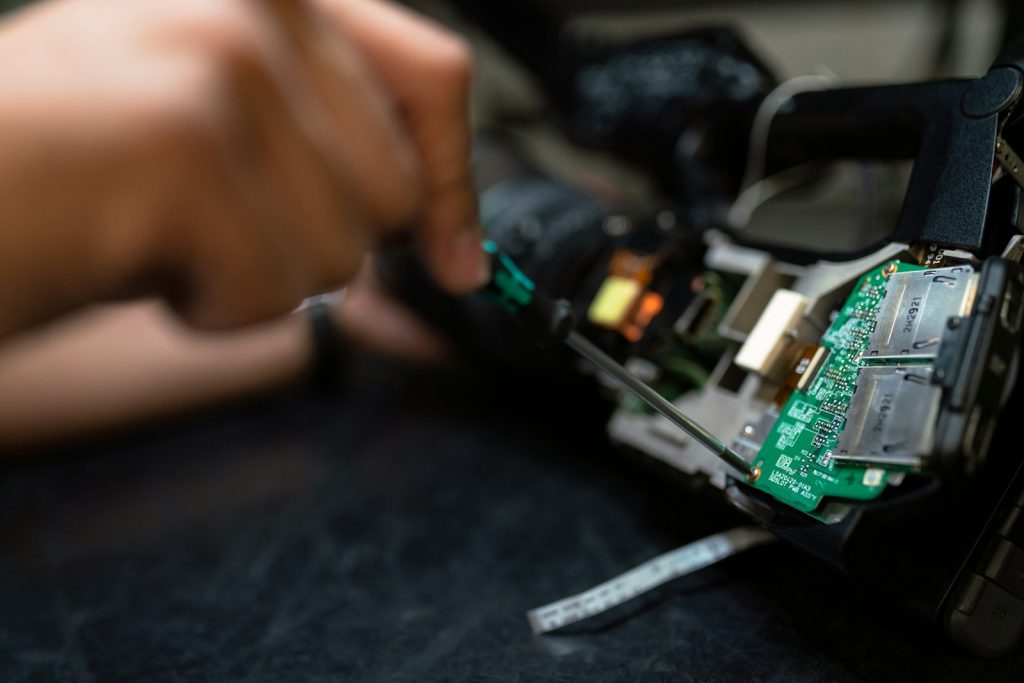
Voltage, Current, and Resistance Under Load
A circuit can show battery voltage with no load and still fail when current must flow. Voltage drop reveals energy lost across resistance during operation.
Read guide